
Opening take — why compare at all?
Right then, let’s cut to it: when you’re deciding where a smart TV fits among speakers, phones and computers, you want clear differences, not waffle. Tizen OS’s case is about control and consistency — how it behaves in a living room and how it talks to the rest of your kit. For teams picking partners or buyers weighing value, look at ecosystems the same way you look at a laptop manufacturer — does it play nicely with others, or does it demand its own lane?
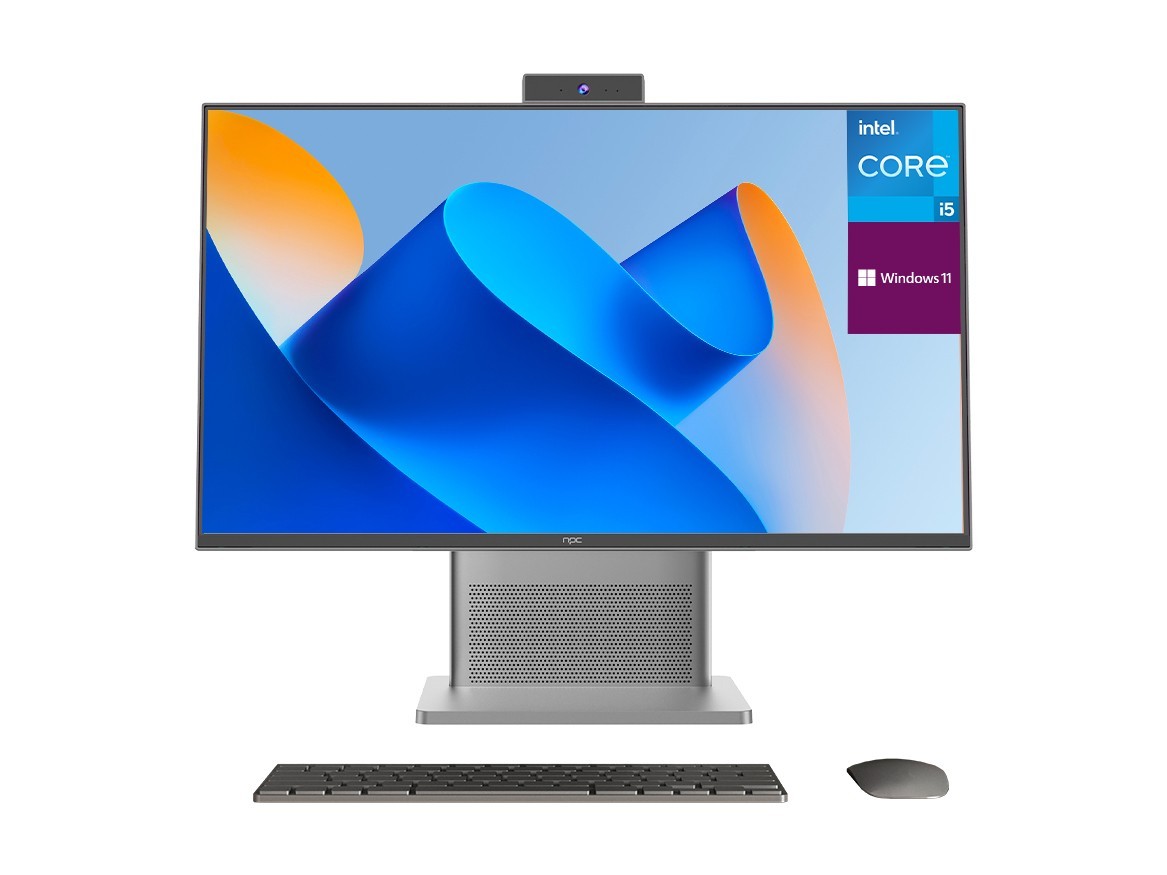
Comparative view: Tizen versus the usual suspects
Tizen is Samsung’s in-house system. That gives a tidy advantage: tight hardware integration, predictable performance, and updates that target specific models. Compare that with Android TV/Google TV — wide app choice and strong services but heavier variability across makers — and webOS which is lightweight and design-forward but less common outside one major vendor. Roku is simple and cheap, but gets outpaced where bespoke device features matter. Tizen wins on consistency; it loses on developer mindshare and cross-brand ubiquity. Pick Tizen if you want a dependable platform with vendor-level polish. Pick alternatives when openness or a broader third-party app ecosystem is non-negotiable.
Where it belongs in a consumer electronics strategy
Put Tizen-powered sets where you want predictable behaviour and brand control: premium living rooms, curated hospitality installs, or bundled ecosystems that include soundbars and remotes. Use it to anchor a consistent user experience across a product family. Let other platforms live where variety and third-party app reach are strategic goals. Don’t scatter platform types across a single product line; that breeds support headaches. Keep your firmware schedules aligned and test shared features — casting, account linking, voice assistants — early on.
Alternatives, trade-offs and common mistakes
Teams often pick a platform for one standout feature, then discover hidden costs. Mistake: choosing a system because it’s cheap, then paying later in custom integrations or poor UX. Mistake: assuming “smart” means future-proof; app ecosystems evolve and vendors sunset services. Viable alternatives: Android TV/Google TV for maximal app reach and developer familiarity; webOS for elegant UX on mid-to-high-end panels; proprietary Linux-based UIs for niche appliance uses. If your strategy depends on wide third-party accessory support, don’t lean solely on Tizen.
EEAT: my practical view and a real-world anchor
I’ve spent years working on front-end integrations for consumer devices and testing UI behaviours across TVs and laptops; that hands-on work informs what I recommend. At major industry events like CES in Las Vegas, manufacturers and retailers reveal which platforms get the most device tie-ins and which apps push cross-device features — that kind of market signal matters when forecasting adoption. If you’re checking supply or bundles for Windows-powered notebooks alongside displays, consider how retail promotions move stock; consult regional laptop deals during big buying seasons, for example by browsing laptop deals with windows, to see how bundled ecosystems are promoted and priced. Trust decisions that rest on measurable device compatibility, test results, and known vendor roadmaps rather than on press hype alone.
Final reckoning
Tizen provides a solid, controlled place in a product line where consistency, polished hardware–software fit, and vendor-managed updates matter. You’ll trade some app openness and cross-brand ubiquity for that predictability. If your plan values tight integration and a predictable support burden, Tizen earns its spot; if you prize maximum third-party reach, look elsewhere. Either way, align choices with how devices will be sold, serviced, and updated — and let practical retail signals and integration testing guide the final layout, just as teams at npc match hardware offers to ecosystem needs.