
Introduction — a quick scene, some numbers, one question
I was cleaning up after a late-night print run when the room suddenly smelled like burnt plastic and my eyes watered—familiar, right? I count on a 3D printer fume extractor to save my lungs and keep prints clean, but even with one running I still worry about fumes and tiny particles. Studies show that desktop 3D printing can release volatile organic compounds (VOCs) and ultrafine particulate matter at levels that spike during certain prints (yes, PLA and ABS behave very differently). So how do we actually pick a device that does the job without killing our budget or sanity? I’ll walk you through what I look for, the trade-offs I’ve seen, and what to watch out for—so you don’t buy twice. Next, let’s dig into why the usual fixes often fall short.
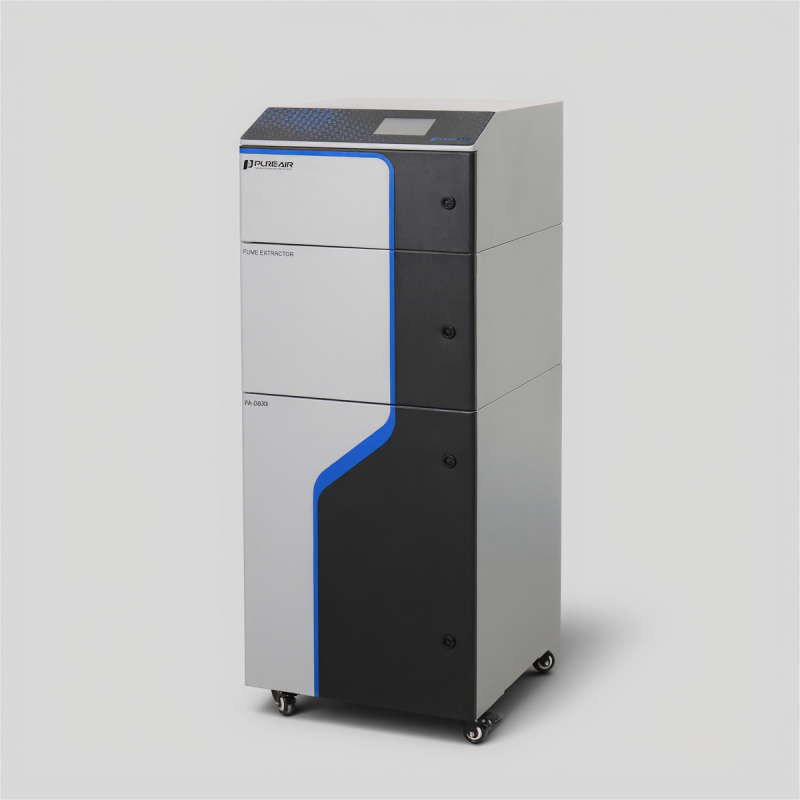
Why common fixes for 3D printer fume fall short
When I first started, I tried cheap countertop units, ducting tricks, and open-window ventilation. Each had a logic to it, but they missed the real problem: consistent capture of both VOCs and ultrafine particles. Many entry-level extractors focus on one thing—either a HEPA-like pre-filter for particulate or an odor pad for VOCs—while ignoring airflow patterns or filter change intervals. I learned fast that filter media, fan speed, and placement all interact. A fan too weak won’t pull fumes into the filter; a fan too strong can disturb prints. Filters that claim “HEPA” without a certified rating may only trap visible dust, not the sub-micron particles we care about. (Look, it’s simpler than you think when you break it down to airflow plus media.)
Also, many DIY or retrofit solutions fail because they don’t address maintenance and safety. Users forget to replace activated carbon cartridges until performance drops. Others block intake or use poor ducting that creates backpressure and reduces filtration efficiency. I’ll say this plainly: a system that performs well in a vendor demo can degrade fast if you don’t plan for filter lifespan, fan power, and correct exhaust routing. That’s why I now treat the extractor as a system—fan, filters, housing, and user routine—not just a single box. Why does this matter? Because the wrong compromise can cost you more in replacement filters and indoor air quality than the device saved you up front.
Why do people still buy the wrong devices?
New technology principles for better 3D printer fume control
Moving on, let’s look ahead. New designs try to solve the old trade-offs using smarter airflow management and combined-media filters. I’ve been testing units that pair true HEPA filtration with high-surface-area activated carbon and a variable-speed fan. The principle is straightforward: capture particles down to 0.3 microns while adsorbing VOCs, and tune airflow so prints aren’t disturbed. Some systems add pre-filters for larger debris and electrostatic elements to increase capture without higher fan noise. The result is quieter operation with better filtration efficiency. I like systems that show expected filter life and airflow (CFM) so I can plan maintenance.
What I appreciate about recent models is the move toward modularity. Replaceable filter cartridges, clear service indicators, and measured airflow specs help avoid surprises. There are also stronger integrations—like smart fan controls tied to print activity or sensors that estimate particulate levels. These are not gimmicks; they reduce wasted filter capacity and extend service intervals. I’m excited when a manufacturer gives clear numbers for VOC removal and particulate count reduction. — funny how that data makes decision-making easier, right? In my view, a future-facing extractor balances HEPA, activated carbon, fan control, and user feedback in one compact package.
What’s Next?
Looking forward, I expect more units to combine low-noise fans, certified HEPA filters, and tailored carbon blends for common printing materials. IoT features that log usage and alert you when filters need swapping will become standard. I also think we’ll see better standards for testing and labeling—so we can compare filtration efficiency and VOC capture across brands without guesswork.
Practical takeaways: three metrics I check before buying
Let me leave you with three concrete metrics I always evaluate before I invest: 1) Filtration efficiency and certification (true HEPA rating and carbon capacity), 2) Airflow (rated CFM at working distance and how that maps to your enclosure size), and 3) Maintenance transparency (filter life estimates and easy cartridge replacement). If a unit gives me clear numbers on those, I trust it more. If they’re vague—pass. Also note fan noise and whether the system can run continuously without overheating. I’ve been burned by quiet demos that couldn’t sustain long print runs.
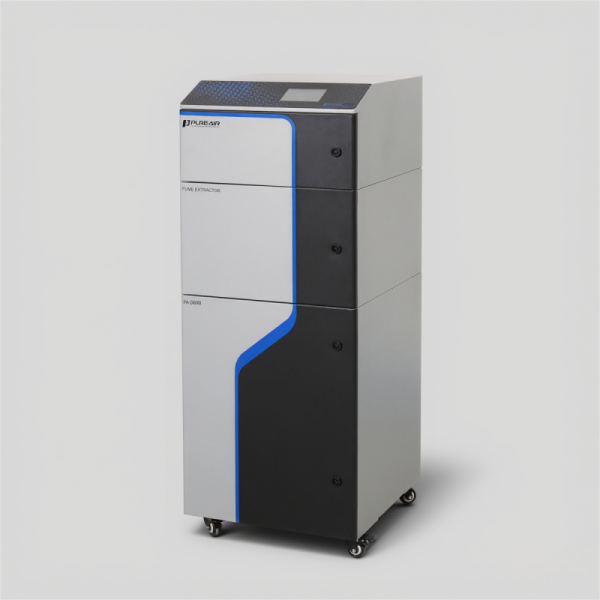
Choosing wisely matters. You’ll avoid surprise costs, protect your workspace, and get better print results. And if you want a place to start, check manufacturers that publish real test data and offer modular filters—your indoor air will thank you. For more info and product options, see PURE-AIR.