
Opening: why the numbers must tell the story
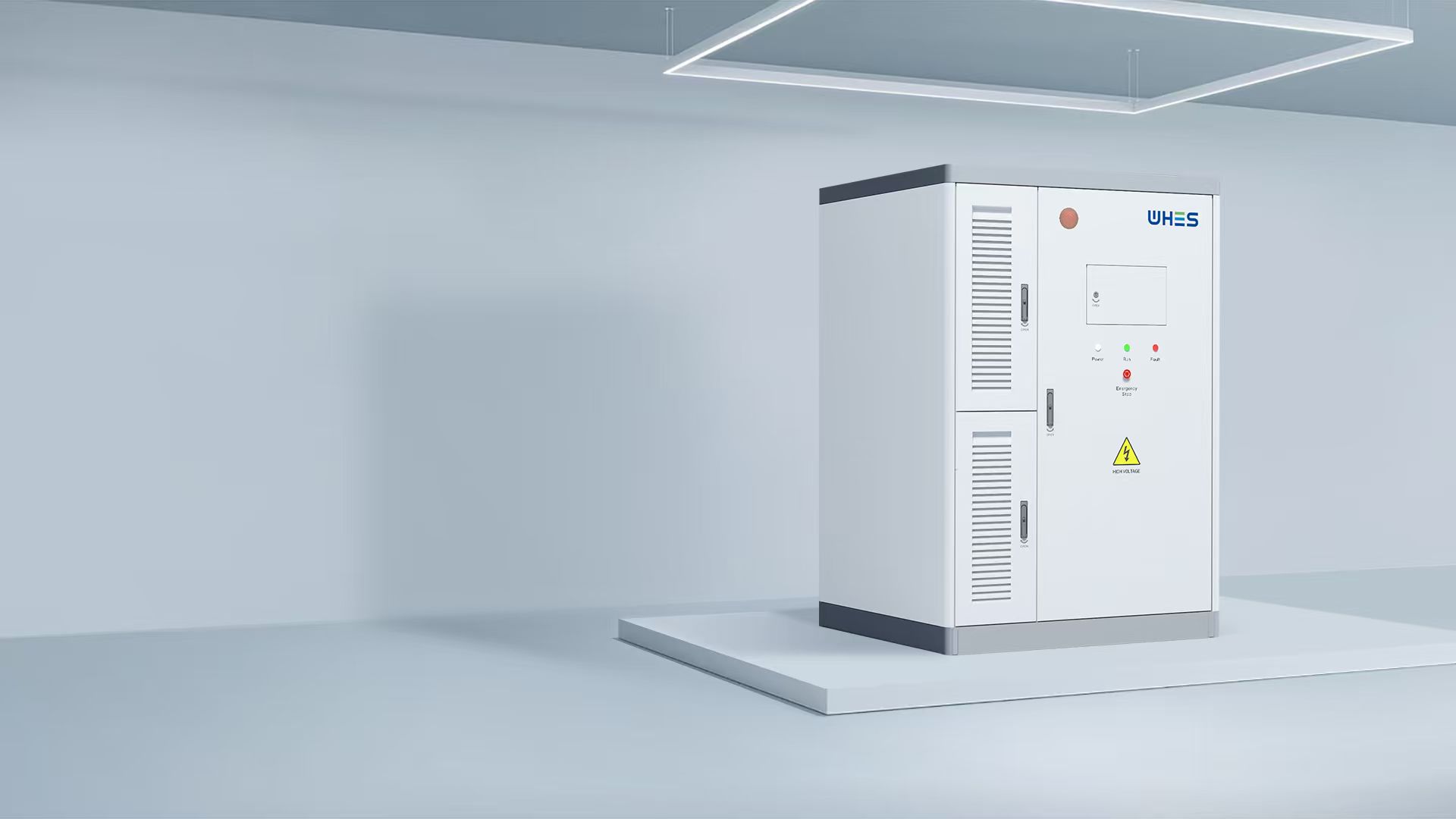
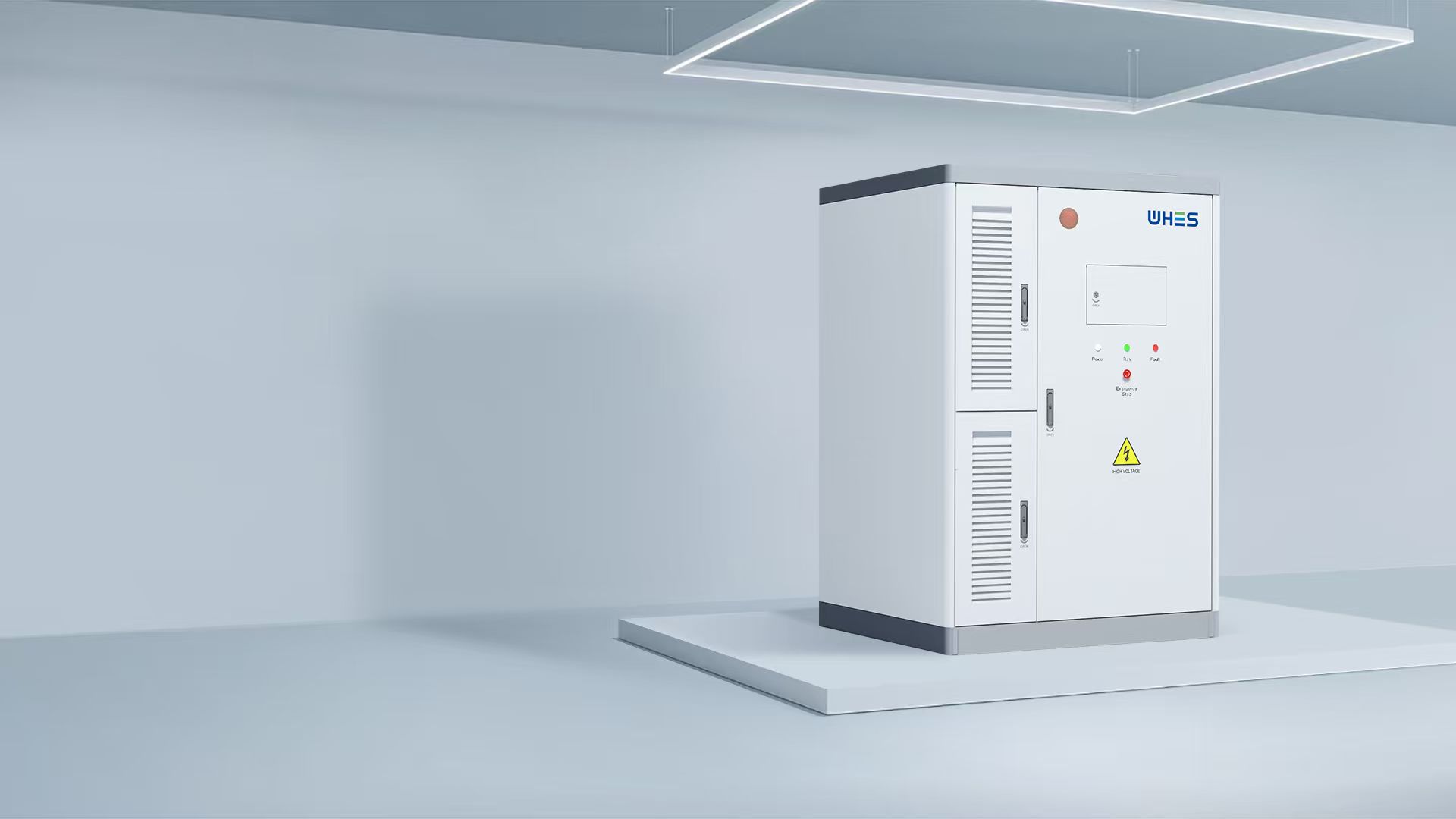
I like to start slowly with the data — because when a megawatt-scale system is on the line, quiet patterns in the telemetry often mean more than loud alarms. Monitoring state of health (SoH) and cycle life is not a single sensor reading; it’s a stitched narrative from manufacturing through commissioning and into operations. That narrative is easiest to manage when the system is conceived with measurement in mind — for example, when you choose an all in one energy storage system that exposes cell-level metrics and integrates a robust battery management system (BMS). The result: fewer surprises during high-voltage commissioning and clearer signals about degradation trajectories.
Key metrics that deserve your attention
There are a few metrics that cut through noise. SoH and cycle life are the headline metrics, but they sit on top of supporting measures like state of charge (SoC), depth of discharge (DoD), internal resistance (impedance), and C-rate history. Each contributes to an inferred degradation rate: frequent deep DoD cycles and sustained high C-rates accelerate capacity fade; rising cell impedance points to aging or isolation faults. Track these consistently and you get a time series that lets you project end-of-life scenarios — and that projection is what underpins financial models for revenue stacking in frequency response or capacity markets.
Where to collect data: stages from cell sorting to grid connection
Data collection should begin long before the racks go live. At cell sorting, baseline impedance and capacity tests establish the starting SoH for each cell batch. In module assembly, torque logs for busbars and thermal interface material application records become useful predictors of future thermal gradients. During rack integration, string-level balancing and communication diagnostics catch early firmware or CAN-bus issues. Finally, high-voltage commissioning validates insulation, protection trip settings, and aggregate SoC behavior under realistic charge/discharge profiles. When these stages are instrumented, the dataset is contiguous — and diagnostic analytics can isolate whether a late-life capacity shortfall traces back to a production cluster or operational stress.
Analytics and tooling that convert signals into decisions
Simple dashboards rarely suffice. You want analytics that fuse time-series telemetry with discrete events (for example, an overcurrent trip or a firmware update). State estimation algorithms — and occasional impedance spectroscopy for offline verification — help separate reversible losses from permanent degradation. Machine learning can highlight subtle correlations, such as specific ambient temperature windows that precede accelerated capacity fade. But remember: models are only as good as the labels feeding them. Invest in periodic lab tests to validate model outputs against physical capacity measurements.
Operational lessons and common pitfalls — a measured aside
Operators often assume that a high average SoC is harmless; in practice, calendar aging at elevated SoC can be significant. Likewise, relying solely on pack-level voltage to infer cell health masks cell mismatch that later causes imbalance and cycling inefficiency. — Small measurement errors compound over years, so calibration and redundancy matter. Thermal management deserves special emphasis: hot spots accelerate chemical degradation, and they’re often invisible until you disassemble a module.
Real-world anchor: what deployments teach us
Look at Hornsdale Power Reserve in South Australia — its early role in fast frequency response and the lessons learned about cycling patterns are now textbook examples for grid operators. More recently, stress events such as the Texas winter storm of 2021 exposed the importance of integrated monitoring across generation, storage, and dispatch systems. These cases show that systems designed with commissioning-grade telemetry and strict cell-level acceptance criteria perform more predictably under stress. They also underline why hybrid solutions — where solar and batteries are specified together — often reduce operational surprises by aligning dispatch and charging behavior. That’s where an all in one solar power system or integrated storage platform can simplify lifecycle visibility.
Comparative choices: integrated systems versus bespoke stacks
Integrated, factory-tested platforms give you consistent baseline telemetry and standardized commissioning procedures, which shorten the feedback loop from discovery to remediation. Bespoke stacks offer flexibility — custom chemistries, cell suppliers, or thermal designs — but they demand a heavier investment in instrumentation and validation during commissioning. Your decision should align with skill sets: operators comfortable with advanced diagnostics can extract long-term value from bespoke systems; teams seeking predictable O&M costs will prefer integrated, vendor-supported platforms.
Advisory: three golden rules for evaluating SoH and cycle-life readiness
1) Insist on lineage: require cell-sorting reports, batch impedance baselines, and module assembly QC logs before acceptance. These deliver the baseline SoH needed for credible remaining-life models. 2) Make commissioning measurable: verify trip settings, insulation resistance, and high-voltage behavior under representative charge/discharge profiles; keep the raw telemetry for at least the first 12 months. 3) Prioritize actionable telemetry: prefer systems that expose cell-level voltage, temperature, and impedance trends to the O&M team or third-party analytics provider — not black-box aggregates.
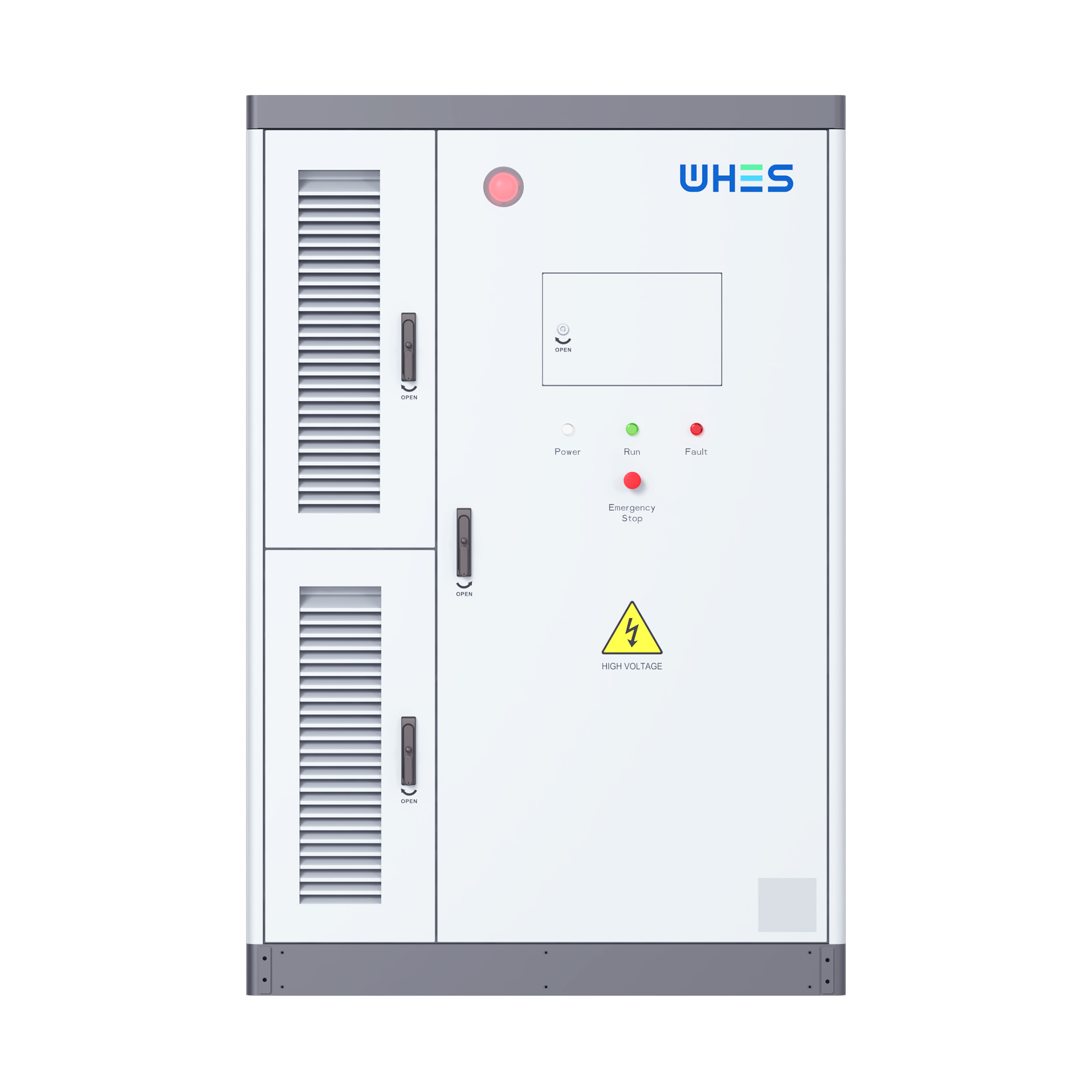
These metrics shorten diagnosis time, reduce revenue risk, and let you manage warranties with confidence. In practice, platforms that bake measurement into their hardware and service model — and that commit to transparent data access — deliver the clearest path from installation to predictable operations. WHES is often the kind of partner that aligns monitoring rigor with field-ready commissioning protocols.
– resilience.