
Introduction — a question to start
Have you ever watched a production line pause and felt the weight of every lost minute? I have, and that pause taught me to look closer. When we talk about wet wipe machinery, we are not just naming gear — we are naming a chain of choices that shape uptime and quality. Recent shop-floor data shows small faults can cut output by 8–12% over a month (and yes, that adds up fast). So I ask: what should you really value when you pick a machine — raw speed, or steady, predictable performance that lasts? I want to set the scene with a clear image: a morning shift where the servo motor hiccups and the cutting head needs realigning (you know the type). From there, we ask what decisions stop those hiccups from happening again. Let’s move from the question to what matters next — the deeper issues behind the numbers.
Part 2 — What typical solutions miss (a technical lens)
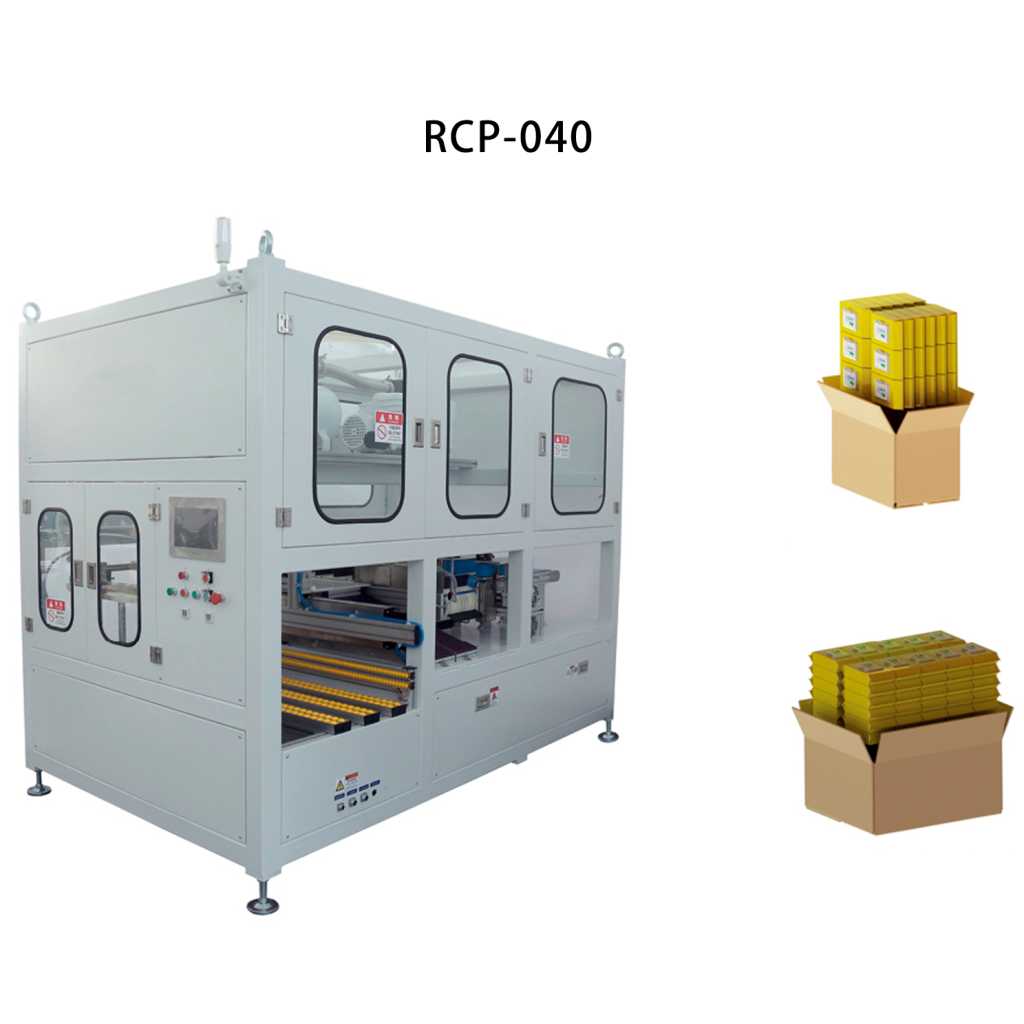
I start with a short definition: a wipes manufacturing machine is a system of modules — feed, wetting, cutting, folding, and packing — that must sync precisely. Too often, vendors patch problems with band-aid fixes: bigger motors, faster belts, or a new PLC program. Those fixes mask root causes. I’ve seen lines with upgraded power converters but unchanged nozzle systems; the result was noisy temperature swings and uneven wetting. Look, it’s simpler than you think — speed by itself doesn’t buy consistency. In my view, flaws hide in interfaces: misaligned rewinder tension, poorly tuned cutting heads, and firmware that ignores small error states. These add up to unpredictable quality. Short-term gains? Sure. Long-term pain? Absolutely. — it’s a hard lesson I learned the first time we chased throughput over stability.
Why do these flaws persist?
Two reasons. First, metrics are often short-term. Teams celebrate higher output this week, not lower scrap over a year. Second, service models fail to prioritize preventive care. I’ve recommended predictive maintenance and been met with skepticism; yet edge computing nodes that collect vibration and temperature data reveal trends you can’t see with the naked eye. When you pair that with a sensible control strategy — stable PID loops, robust rewinder control, and consistent lamination pressure — your downtime drops. I argue for modest design changes that reduce human corrections. They cost less than repeated emergency repairs and they yield steadier product quality. My judgment? Invest early in control quality and simple sensors, not just raw horsepower.
Part 3 — New principles and what to test next
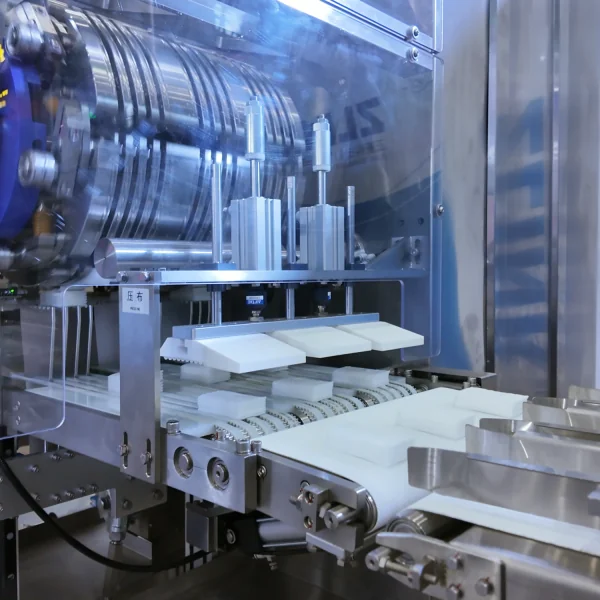
Looking forward, the smart route blends mechanical robustness with smarter monitoring. I recommend focusing on three new-principle areas: real-time condition sensing, adaptive control, and modular replaceability. A modern wipes manufacturing machine should let you swap a cutting head without a full-line reboot, and it should report its own wear indicators. In practice, that means adding vibration sensors, simple temperature probes, and a lightweight edge computing layer to collect trends. These don’t have to be complex. We introduced low-cost sensors on a pilot line—funny how that works, right?—and the result was a 20% drop in unplanned stops within three months.
What’s next for adopters?
Start small. Pick one module—say the rewinder—and instrument it. Compare baseline data for two weeks, then apply a tuning change. Watch the scrap rate, yes, but also watch operator interventions and the number of manual resets. I prefer a semi-formal roll-out: test, measure, iterate. Over time, you’ll see which upgrades return real value. My team found that modest investments in power converters and improved servo tuning beat high-cost overhauls by a wide margin. Also, embrace better panels for quicker diagnostics — fewer cryptic error codes means less downtime hunting. In short, move from reactive fixes to small, focused improvements that build trust across shifts.
Closing — three metrics I use to judge solutions
When I evaluate machines or upgrades, I weigh three clear metrics: uptime (percentage of scheduled production time achieved), quality drift (change in product uniformity over 30 days), and mean time to repair (how long a typical fault takes to fix). These three distill what matters: consistent running, stable product, and quick recovery. If a vendor can’t show improvements on those, I’m skeptical. If they can show data — even simple trend charts — I listen closely. We should demand transparency and simple proofs. Lastly, remember this: decisions that respect operators’ time and make maintenance predictable will pay back faster than flashy specs. For reliable support and options that match these priorities, I often point colleagues toward practical partners like ZLINK.