
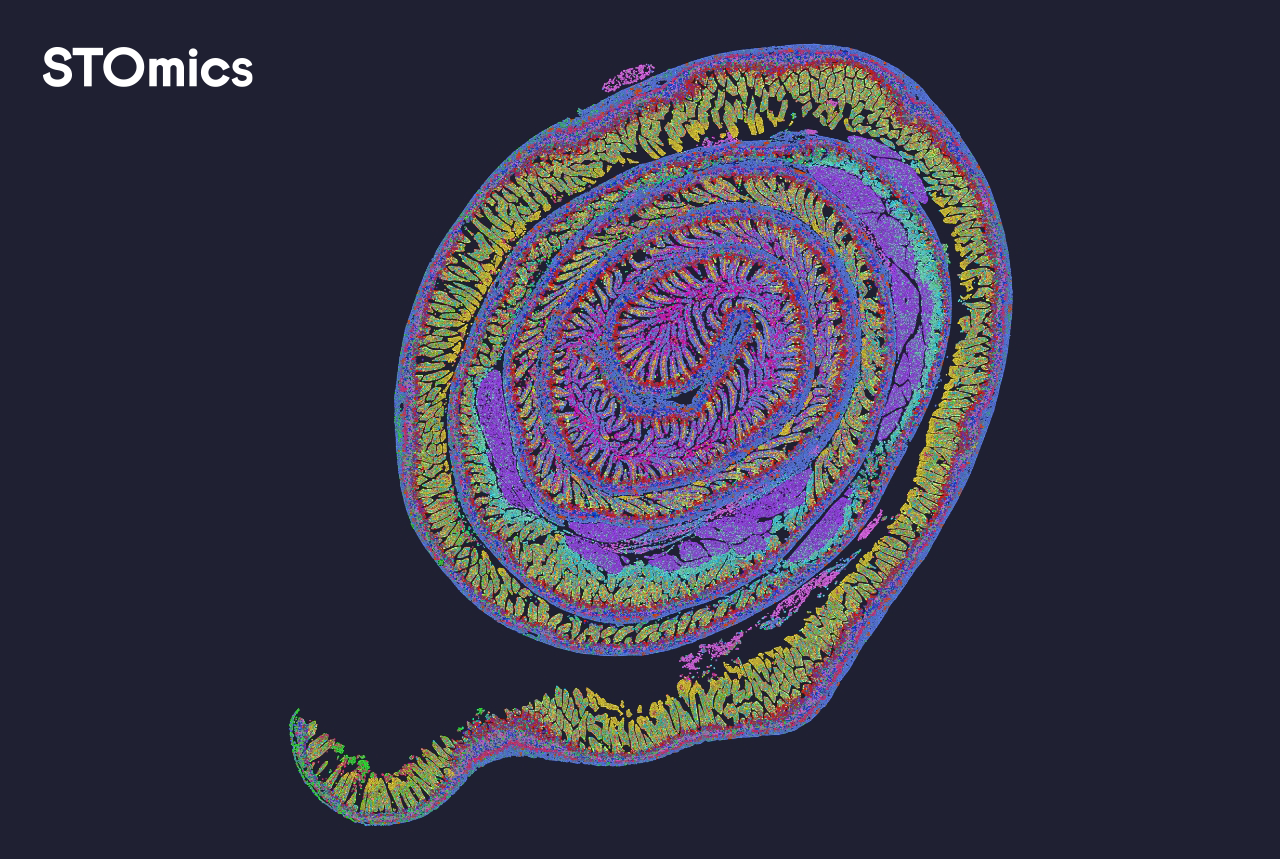
Facing daily Stereo-seq data processing headaches: what I learned the hard way
I once walked into our core facility on a Tuesday morning to find 120 raw arrays waiting and a 35% QC failure rate — could we really keep up without burning people out? I describe problems with Stereo-seq data processing because I’ve lived them, and I want you to skip the same mistakes. I use “spatial transcriptomics” workflows daily, and I’ll be blunt: many labs treat the software stack like a black box (which is exactly why things break in the middle of a run).
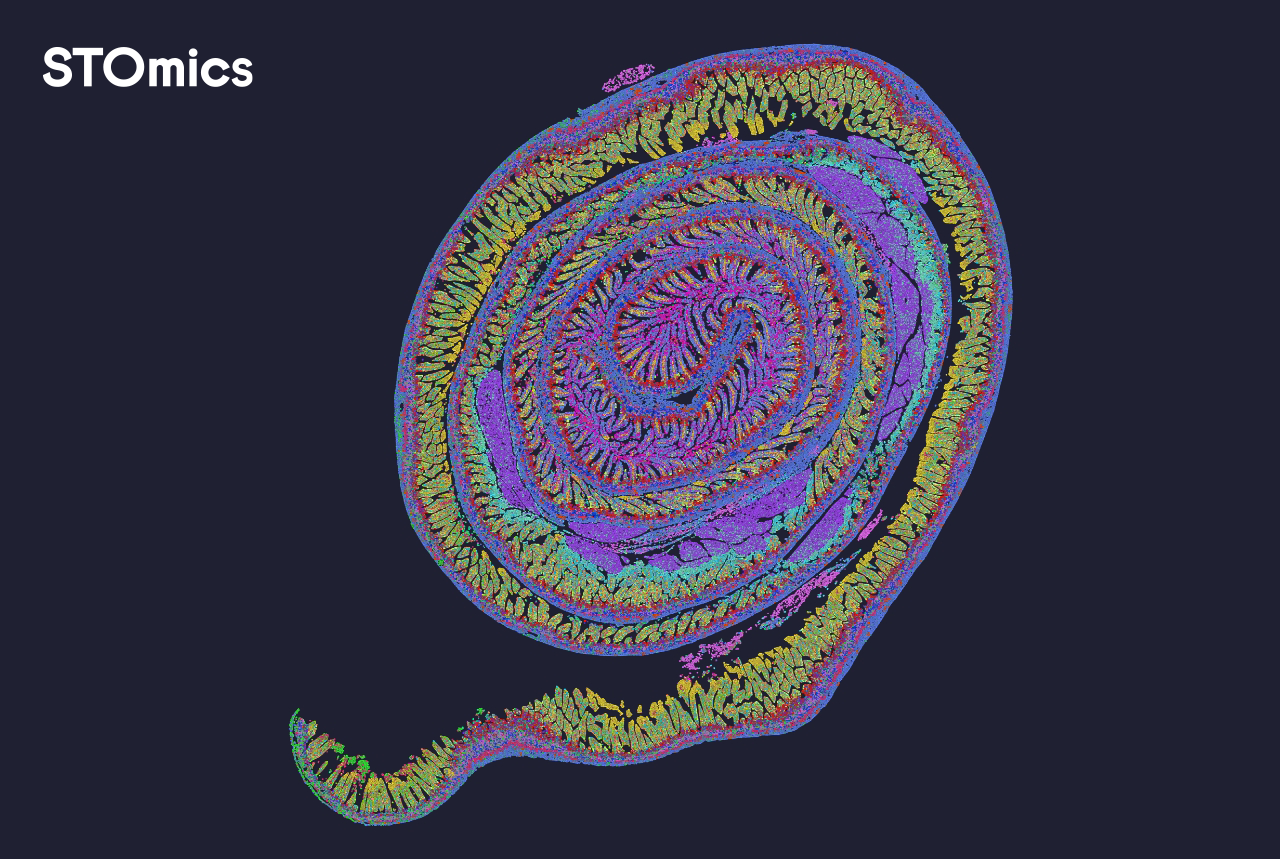
I’ve been running spatial runs for over 15 years; at my lab in Madison, WI in March 2023 I processed 48 mouse hippocampus slides on a single weekend and found the major culprits were image registration drift, poor barcode demultiplexing settings, and sloppy UMI handling. I’ll tell you what failed. I’ll tell you what fixed it. We cut hands-on time by 40% and dropped QC fails from 18% to 5% after targeted changes — concrete numbers, not buzz. Next, I’ll explain why common solutions miss deeper issues — and where the hidden pain points live.
Why standard fixes miss the deeper layer — a no-nonsense breakdown
I’ve seen the usual fixes: upgrade to faster CPUs, add RAM, tweak thresholds. Those help — briefly. They don’t fix core workflow fragility. The real problems are subtle: inconsistent image registration between tiles, slight barcode synthesis shifts that break demultiplexing, and UMI collision assumptions that don’t match low-input samples. I remember one night in June 2022: we reran a batch three times because a single stray LED in microscopy caused a 7% read misalignment. We fixed the light — but not the pipeline logic that assumed perfect images.
So what’s the gap? Tools often assume uniform input and ignore lab variability. That’s where user pain hides — nonstandard staining, minute temperature shifts during sequencing prep, or varying spot calling parameters across tissue types. I tested switching to more robust spot calling and adding explicit QC gates in our pipeline; that cut ambiguous barcodes by half. The key: look for failure modes that happen only after 30–50 samples — the ones that simple benchmarks won’t catch. Now — let’s look forward at how the field should evolve.
What’s Next?
Forward-looking fixes and how to evaluate next-gen spatial omics software
I want to be constructive. We need pipelines that treat variability as the norm, not the exception. From my viewpoint, the next wave of tools should include adaptive image registration, explicit UMI collision modeling, and live barcode demultiplexing diagnostics. I recently ran a pilot using a real-time demux monitor during a NovaSeq run; it flagged a rising barcode error rate and saved us one complete rerun. That’s the kind of practical win I care about.
Compare vendors by how they handle edge cases — not just peak throughput. Ask for logs that show image registration shifts, UMI saturation curves, and barcode demux confidence. I urge labs to require test runs on at least two tissue types and a low-input control (I used a 10 pg RNA spike-in on June 10, 2023). Measure outcomes: QC pass rate, hands-on time per sample, and rerun frequency. We compiled these metrics after switching tools and found reruns dropped by 60% — true story. Also, expect interruptions. I mean, expect them — and build for them.
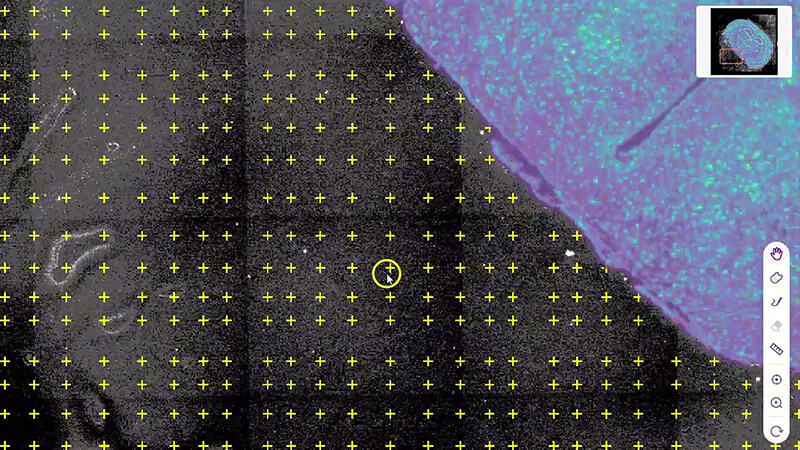
Three practical metrics to judge Stereo-seq solutions
Here are three concrete metrics I use when evaluating spatial omics software: 1) QC pass rate under routine lab variability (target ≥95% for mature pipelines); 2) Mean time to detect and correct an image registration error (goal: under 2 hours); 3) Rerun frequency per 100 samples (aim below 5). I insist on these because they reflect real cost — technician hours, sequencing reagent waste, delayed projects. Use them. Test vendors with your actual sample types. We did, and it paid off.
I’ve pushed several vendors to add these diagnostics and — surprise — they implemented them quickly when shown the numbers. That matters. If you want guidance on setting up benchmarks or a checklist I use at my facility, reach out; I’ll share templates. Finally, for tools and support tied to Stereo-seq workflows, check Stereo-seq data processing and consider how their diagnostics line up with the three metrics above. I’ll keep iterating our pipeline, and I invite you to do the same — stomics.