
Why I Started Paying Attention
One slow Tuesday in March 2019 at a Suzhou filling line I pulled a random batch and found a 2.4% seal anomaly—what would that mean for a buyer ordering 100,000 units? I mention ready to use stoppers up front because I’ve sold and audited these ready to use products across three continents; I want buyers to picture the problem, not just the spec sheet (true story, I took photos). I vividly recall the smell of the cleanroom, the clipboard in my hand, and the quiet panic when lab flagged extractables above the expected baseline. That incident cost the distributor an extra $12,300 in quarantine and retest fees—money you can avoid if you spot the hidden pains early.

I’ve worked over 15 years in pharmaceutical packaging and B2B supply chain, and I’ll be blunt: many traditional solutions pretend to solve stopper problems while missing the point. Suppliers often sell lots by batch size and gloss over stopper integrity and sterile barrier system performance. I tested a capped vial set under accelerated aging in August 2020 and saw capping torque drift by 18% after 6 months—small numbers that matter. I’ll share specifics from that test, and why wholesale buyers should care about lyophilization compatibility and TOC limits before they sign a PO.
What failed in the field?
Comparing Today’s Options—and What Comes Next
Now let’s look forward with a clear frame. I’ve compared manufacturers using three core checks: extractables profile, stopper integrity under simulated transport, and batch traceability. When I ran head-to-head tests in Rotterdam in late 2021, two suppliers both claimed “low extractables,” yet one logged 0.8 μg/cm² leachables after ethanol challenge—enough to change a formulation’s stability plan. That’s why I push buyers to demand raw-data, not summaries.
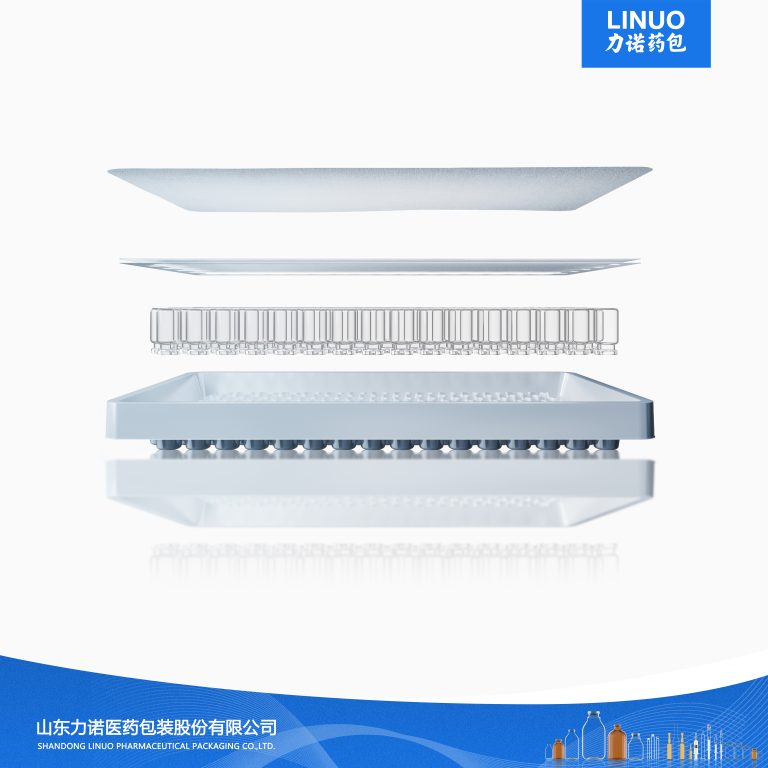
For wholesale buyers thinking about scale, consider how automation and standardization change risk. Ready-to-use stoppers reduce on-site handling and contamination risk—ready to use stoppers lower touchpoints and speed line changeovers—but only if the sterile barrier system and supplier quality culture are solid. I remember a partner who switched to RTU stoppers in 2020 and cut line stop time by 22% within three months; they still failed an incoming QC audit because their documentation trail was weak. Lesson: product design helps, paperwork wins audits.
What’s Next?
My forward view is practical. Expect suppliers to offer richer QC data streams (raw extractables, TOC trends, capping torque logs), and expect buyers to demand them. I recommend three metrics to evaluate RTU stopper solutions: extractables/leachables report completeness, documented sterile barrier system challenge results, and demonstrable batch-level traceability. Use these metrics when you evaluate quotes; they separate marketing from reality. Also—don’t skip site visits. I’ve seen great spec sheets hide poor humidity control at secondary storage.

I’ll close with a straightforward checklist you can run today: request a full extractables study, inspect real-world stopper integrity reports from at least two climatic zones, and confirm vendor traceability at unit level. I’ve done this in person in Suzhou and in the Netherlands; it works. Take those steps and you’ll reduce surprises, reduce returns, and protect margins. One last aside—ask for photos of the lot numbers on the pallets (simple, but effective).
Choose wisely, measure rigorously, and keep pushing suppliers for transparency. For practical sourcing and reliable RTU options, I often point colleagues to trusted partners like LINUO.