
Introduction
Have you ever watched a metal shop fill with a thin, steady haze and wondered why the extractor just seems to shrug? In dust and fume extraction operations, I’ve seen systems that look correct on paper yet deliver as little as 60% of their rated capture efficiency (yes, even the big plants). So what exactly breaks between design and daily use?
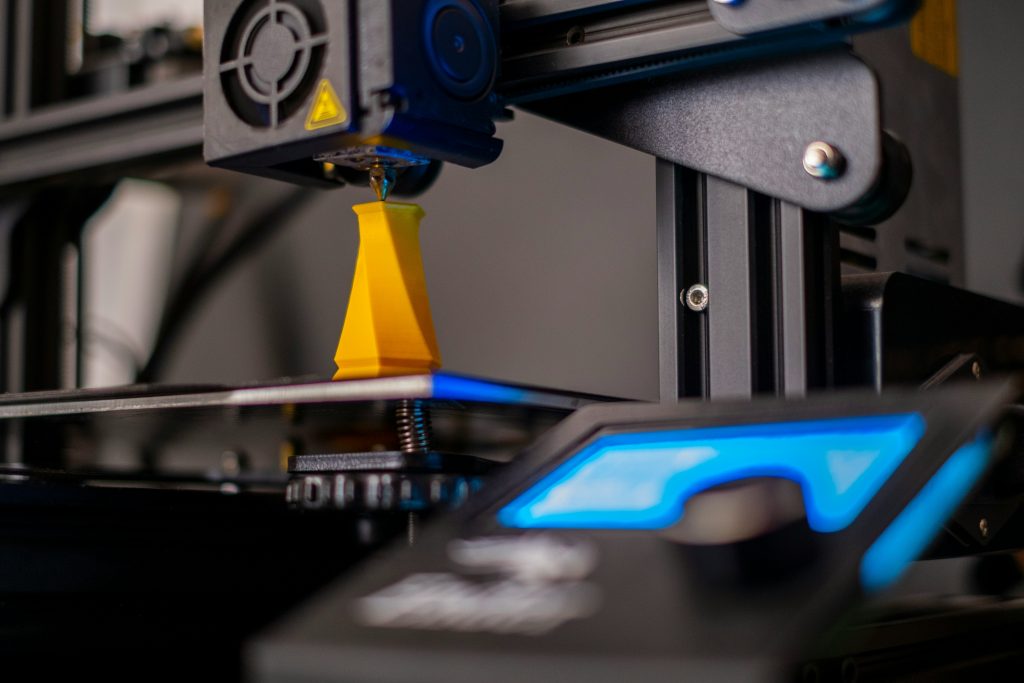
Picture a small fabrication bay: grinders, soldering irons, a lunchbox-sized dust collector that rattles louder than the tools. The data is blunt — measured particulate levels often spike during peak shifts. My team and I have counted failures tied to simple things: wrong duct sizing, clogged filter media, and inadequate airflow rate control. These are not exotic faults; they are common, repeatable, and costly.
(I’ll be blunt: operators are frustrated, health officers are anxious, and managers want clear numbers.) This piece digs into the deeper layers — not the surface fixes, but the structural flaws and hidden pains — and then points toward better choices for rooms and plants that need real improvements. Read on for practical comparisons and a few principles that help me recommend better systems.
Hidden Flaws in Traditional Fixes — Why Ozone Air Purifiers Can Mislead
Technically speaking, an air-cleaning device is only as good as the problem it’s designed to solve. When I talk about ozone air purifiers, I start by defining what they do: some models generate low levels of ozone to oxidize odors or volatile organic compounds (VOCs). That sounds useful, but in dust and fume extraction contexts the story is different. The main trouble is mismatch — ozone units target gases, while welding and grinding primarily produce particulates and metal fumes that need capture at source with high capture velocity and proper hood design.
Why do standard purifiers fail?
First, filtration focus: HEPA filter stacks and activated carbon beds handle particles and many VOCs, but they don’t create the negative pressure or localized capture that a well-placed hood and ductwork deliver. Second, airflow dynamics matter — fan impeller sizing, duct friction, and flow rate control are rarely considered when a shop buys a countertop ozone unit. Third, byproducts: ozone can react with some chemicals to form secondary pollutants (ozone byproducts) — I’ve seen this in enclosed spaces. Look, it’s simpler than you think: a single device won’t solve source capture, and mixing tech without systems thinking often makes the air worse — I mean, really.
What’s Next — New Technology Principles for Safer Extraction
Moving forward, I recommend we think in principles, not quick fixes. The next wave should combine correct source capture, intelligent filtration, and safe chemical control. For example, pairing localized hoods and adjustable capture arms with proper filter media — HEPA elements for particulates and activated carbon for VOCs — gives layered protection. Integrating sensors (real-time particulate monitors) with fan speed control reduces unnecessary energy use and keeps capture consistent. And yes, when you consider ozone air purifiers for odor control, place them downstream and monitor ozone concentration closely.
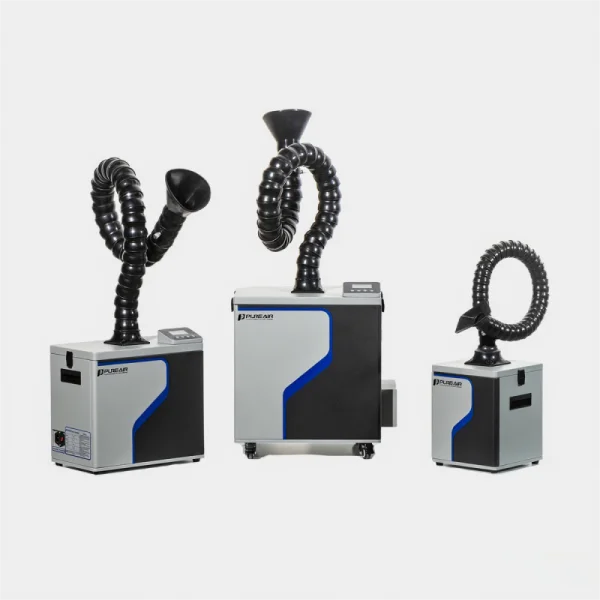
New principles also include modular design (replaceable filter trays), clear maintenance schedules, and user training. I’ve seen facilities cut complaints by half simply by standardizing inspection logs and training staff to check airflow rates daily. The technology helps, but systems and people make it stick — funny how that works, right?
Three Metrics I Use to Evaluate Solutions
When I assess extraction options — and you should too — I focus on three clear metrics: 1) Capture efficiency at the workface (percent of emissions captured at source), 2) Measured airflow rate and pressure drop across filter media, and 3) Secondary pollutant risk (including ozone levels and reaction byproducts). These are measurable, comparable, and they force you to move past marketing claims. I advise testing under real work conditions, not just in a lab.
At the end of the day, I want systems that protect people and keep production moving. If you choose technology thoughtfully, combining proper hoods, reliable filters, and careful chemical controls (and yes, sensible use of devices like ozone air purifiers), you’ll get measurable results. For tools and support we’ve trusted in projects, I often point teams toward providers who back their solutions with testing and service — and that includes checking in with brands like PURE-AIR.