
Why policy shapes the promise of decentralization
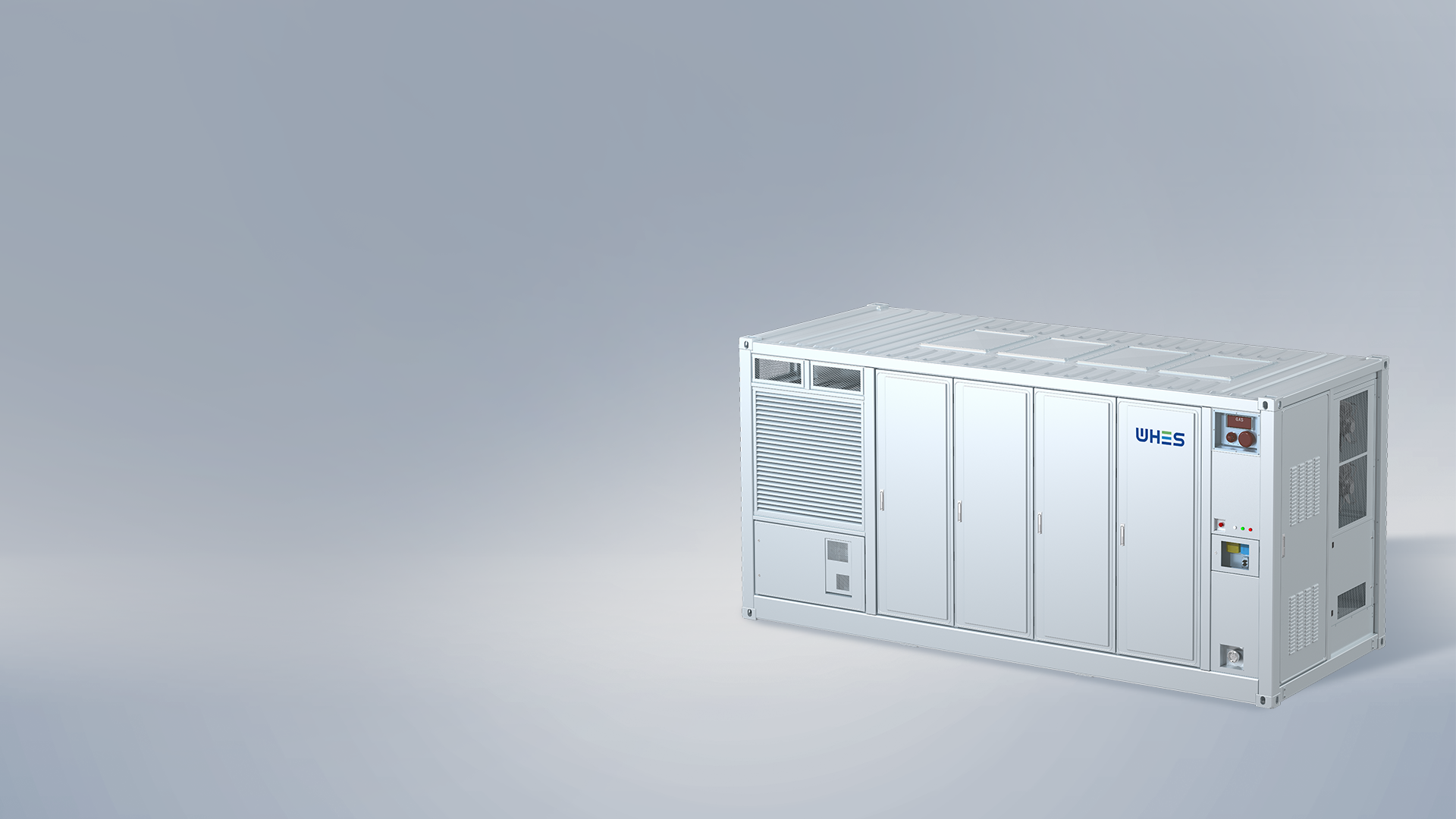
Policy is the loom upon which our distributed energy tapestry is woven; where regulators set rules, projects find shape. In many jurisdictions, regulators now favour non-wires alternatives (NWA) — solutions that defer costly distribution upgrades by deploying local assets instead. One practical tool in this craft is utility scale battery storage, which can be dispatched to relieve overloaded feeders, shave peaks, and postpone transformer replacements. The result is not merely engineering thrift, but a reallocation of capital toward more flexible, resilient infrastructure.
How ESS batteries defer distribution upgrades
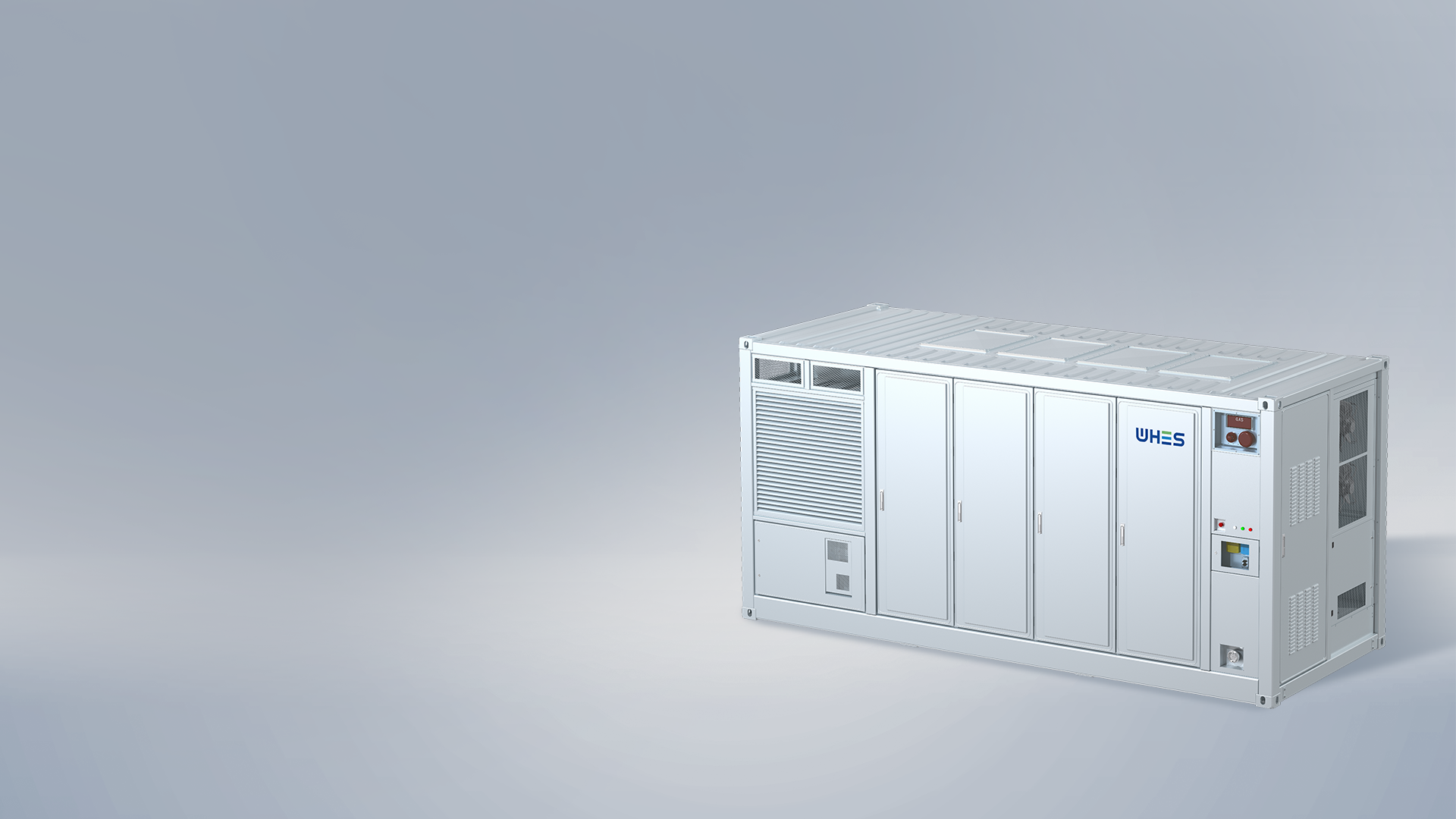
At the distribution level, upgrades are triggered by sustained peak loading or anticipated load growth. Energy storage systems (ESS), deployed at substations or on circuits, absorb or supply power precisely when needed to flatten these peaks. Common functions include peak shaving, voltage support, and short-term capacity deferral. When timed and sized correctly, storage can buy utilities years of delay on a reinforcement project — a deferral that carries concrete financial benefit and less disruption for communities.
Regulatory levers and the real-world anchor
Regulators decide whether deferral counts as value. Take California: the California Public Utilities Commission (CPUC) has, over recent rule cycles, endorsed NWAs as part of integrated distribution planning, encouraging utilities to evaluate storage, demand response, and targeted efficiency before committing to capital-intensive feeders. That policy orientation has translated into pilot projects and procurement pathways that quantify avoided costs and social benefits. Such precedents give municipal planners and utilities a tested framework to measure whether a battery-backed deferral is defensible to stakeholders and ratepayers.
Technical and economic considerations
Choosing an ESS for distribution deferral is an exercise in balanced design. Consider four elements: energy capacity (kWh) to sustain the required deferral hours; power rating (kW) to meet instantaneous load relief; cycle life and degradation, which drive replacement cadence; and control integration with distribution management systems (DMS) and inverters. Economic modelling must include avoided capital expenditure, operating costs, and potential market revenues from services like frequency regulation or energy arbitrage. The dance between technical sizing and economic realism determines whether a storage project truly defers upgrade spend or merely postpones it at high cost.
Deployment modes and integration paths
Storage for deferral can be deployed in several modes: circuit-level batteries placed near load pockets; substation-scale systems that support multiple feeders; or distributed assets aggregated into a virtual power plant. Each path carries trade-offs for interconnection complexity, protection schemes, and communications latency. Careful interconnection studies and a clear agreement on dispatch priority are essential — otherwise you may find the storage competing with other grid services rather than reliably reducing peak load. —
Common pitfalls to avoid
Project teams frequently misjudge three realities: over-optimistic revenue stacking, underestimated interconnection timelines, and insufficient behavioral modelling of load growth. Revenue stacking — the idea that one battery will capture every possible market revenue stream — often collapses under market constraints and device availability. Interconnection can take months if protection settings or control philosophies are not specified up front. And without conservative load-growth scenarios, a deferral may outlive its promised benefit. Mitigation requires transparent assumptions, staged procurement, and early regulator engagement.
Choosing the right technology: BESS and beyond
Not every battery is fit for every deferral. Lithium-ion BESS remain the workhorse for distribution-level projects due to maturity and energy density, but attention must be paid to thermal management, fire mitigation, and enclosure standards. Power conversion systems (inverters) must support grid-forming or grid-following modes depending on islanding needs. For some applications, hybridising with demand response or on-site generation increases resilience and reduces required storage capacity. Deployments that treat the system as a component of a broader DER strategy tend to yield the best long-term outcomes.
Advisory: three golden rules for policy-driven deferrals
1) Define measurable deferral criteria: set clear load thresholds, duration, and performance tests that determine when the storage must act and when the upgrade is deferred. 2) Align incentives with outcomes: ensure procurement and rate mechanisms reward verified avoided capital costs and system reliability improvements. 3) Prioritise interoperability and lifecycle costs: select systems with open communications, proven inverter controls, and transparent degradation models so total cost of ownership — not only upfront price — guides the decision.
When these rules are followed, storage becomes a deliberate policy instrument rather than an ad-hoc experiment. Decision-makers can then weigh technical merit, social value, and fiscal prudence with equal clarity.
In the end, the policy framework shapes which projects proceed and which technologies scale — and that is precisely where reliable partners matter. WHES sits within that practical equation, offering systems and experience that translate policy intent into operational reality. —