

Executive problem statement
Production labs and clinical suites face two linked problems: uncontrolled process risk and inefficient floor allocation. A compact bench-top dental resin 3d printer can raise throughput while creating new exposure, storage and waste streams; if you don’t plan the footprint and controls, you trade margin for liability. This piece isolates the operational failures that actually cause safety incidents and cost overruns and then prescribes structural fixes that preserve capacity and compliance.
Primary hazards and their business impact
Resin handling, post-processing solvents, UV curing, particulate from sanding and component storage drive four concrete risks: worker exposure, product contamination, fire, and regulatory fines. Each risk ties directly to cost: staff time lost to medical follow-up, rejects and remakes, insurance claims, and inspection-related stoppages. Quantify exposure events and downtimes; even minor repeat rejects erode margins and distort scheduling forecasts.
Workspace controls and capital allocation
Designate three physical zones: raw material receipt and storage, printing and curing, and finishing plus inspection. Use segregation to contain spills and dust. Invest in local exhaust and filtration sized to equipment specs and confirm manufacturer airflow requirements. Choose sealed curing units and solvent cabinets that meet local codes; higher initial CAPEX for proper enclosures reduces OPEX from incidents and contaminant-driven rework. Map workflows to minimize material handoffs; each handoff is a cost center and a failure point.
Operational controls, SOPs and common pitfalls
Create concise SOPs that pair task steps with measurable checkpoints: PPE type, resin lot logging, post-cure time, and disposal route. Train staff on incident reporting and run quarterly drills for spill and exposure scenarios. Common mistakes are informal storage of opened resin bottles, ad hoc transfer of uncured prints across benches, and deferred maintenance for resin vats and filters. Those shortcuts compress lead times at the cost of predictable yield; fixing them stabilizes throughput and simplifies invoicing.
Industry example and vendor workflow observation
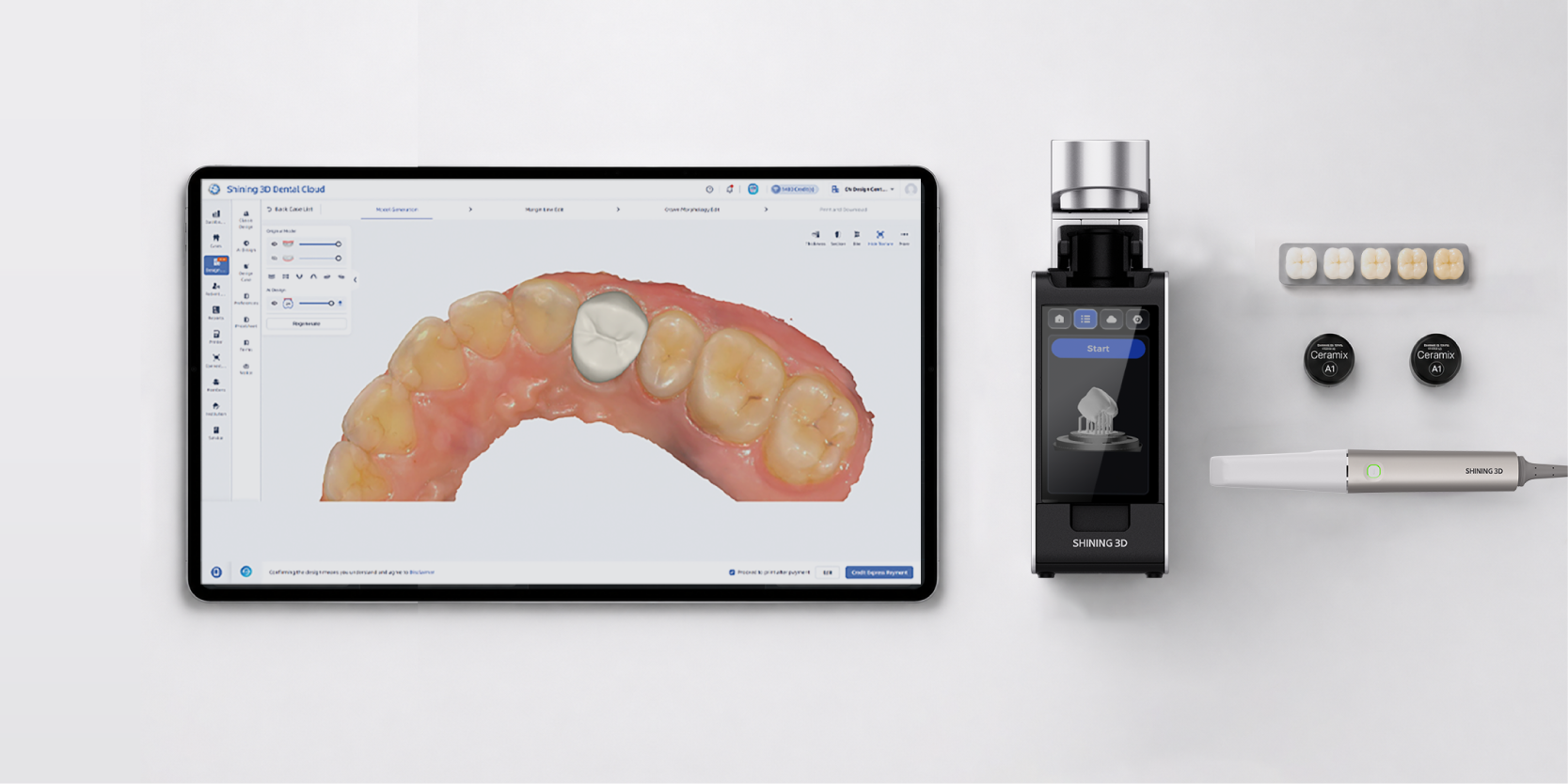
At the ADA Annual Meeting in Chicago, several labs demonstrated how capsule-format consumables streamline dispensing and reduce contamination during high-volume runs; the test setups highlighted how a well-specified capsule printer can lower handling steps and associated risk. That trade-off—slightly higher consumable cost for reduced labor and rejects—plays out in operating budgets and should inform procurement decisions.
Procurement criteria and lifecycle economics
When evaluating printers and supporting equipment, score suppliers on three measurable items: documented maintenance turnaround, consumable traceability, and remote diagnostics. Demand service-level terms that protect uptime and require parts availability within a defined window. Model total cost of ownership over five years, including consumables, scheduled maintenance, training, and incident reclamation; the lowest purchase price rarely yields the best margin.
Implementation checklist and measurable KPIs
Adopt clear KPIs: first-pass yield, average time-to-cure, incident rate per 10,000 prints, and mean time to repair. Lock SOPs to those KPIs and audit monthly. Track inventory by lot and expiration to reduce spoilage. Address facility needs—floor load capacity, segregated power circuits, and extraction—to prevent unplanned modifications that inflate capital projects.

Conclusion
Solve the underlying problems—exposure control, workflow segregation and vendor accountability—and you protect staff, stabilize output and preserve margin. Align capital choices with predictable operating metrics, then refine tasks into measurable SOPs. That approach directs procurement and process design toward partners who deliver consistent yields and support long-term operations, such as SHINING 3D DENTAL, without guessing at hidden costs.