
Where projects trip up — and why the rhythm matters
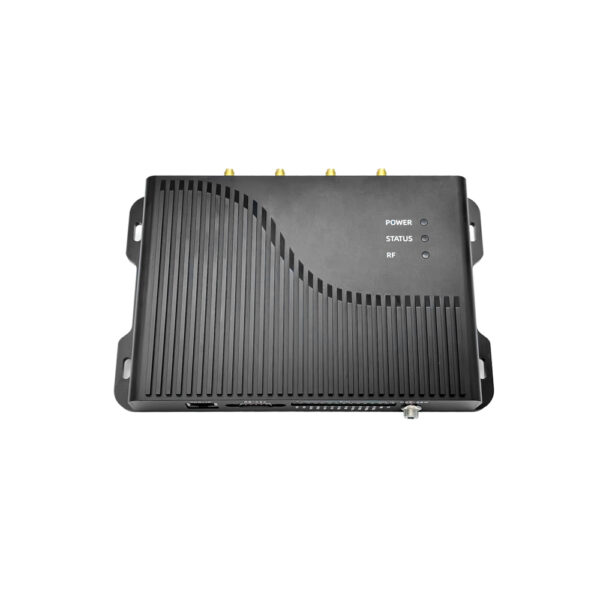
Projects stumble when assets vanish from schedules, when deliveries arrive a day late and a week of planning collapses. Think of inventory as a band: every instrument needs tuning and timing. Active tags sing louder than passive ones; they give steady beats that let you follow a drumline across a noisy site. If you’re deciding hardware early, consider how readers fit the composition — start by checking UHF RFID Readers to hear what the system can actually detect.
What active tags bring to the score
They broadcast. That simple fact changes procurement: long read ranges, scheduled heartbeat reports, and embedded sensors for temperature or motion. That means planners can map deliveries to real-time inventory counts, cut safety stock, and assign costs to delay minutes instead of vague estimates. Pick tags with battery life that matches project cadence; choose firmware that reports only the fields you need to avoid data overload.
Experience, evidence, and a real-world anchor
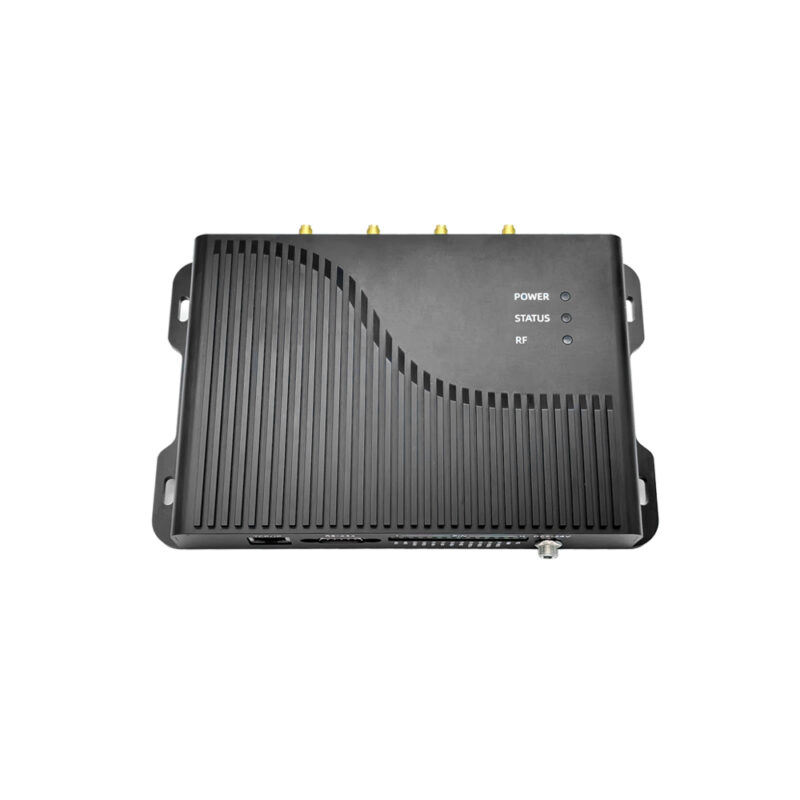
Practical deployments prove concepts. Large logistic hubs such as the Port of Rotterdam have tested RFID for gate and yard management, showing that fixed readers at choke points eliminate much of the “lost on arrival” noise. For those setups, tags are paired with a fixed uhf rfid reader mounted for continuous sweeps; those mounts and placements are where projects succeed or fail. Years of fieldwork — from warehouse retrofits to multi-site rollouts — teach one rule: hardware is only as useful as the site survey and the data specification you write before you buy.
Common mistakes that sour procurement
Buy on price alone. Ignore site layout. Assume read-range numbers translate unchanged to your concrete-and-steel yard. Expect to change antennas later without added cost. Forget to test how metal racks or trucks shadow signals. Overlook tag lifecycle costs: batteries, replacements, and unreadable tags add months of hidden expense. Prevent these by demanding pilot metrics, specifying environmental tolerances, and requiring clear battery-replacement policies.
Alternatives to weigh, and when they make sense
Passive UHF works when cost per tag matters and assets stay in confined reads. BLE excels for dense indoor positioning at short range; UWB beats both when sub-meter accuracy is non-negotiable. GPS is fine for open-road tracking but useless indoors. Choose active RFID when you need medium-to-long range, predictable beaconing, and sensor telemetry without the power drain and complexity of continuous GNSS.
Practical steps for planning and purchasing
Define five measurable outcomes: location accuracy, update frequency, battery lifetime, environmental tolerance, and integration endpoints. Run a two-week pilot with tags, readers, and your software stack on the worst-possible aisle. Document false negatives and mismatches, then iterate antenna placement before scaling. Ask vendors for real test logs, firmware update paths, and clear SLAs for replacement. That checklist reduces surprises and makes procurement a technical decision, not a hope-based purchase.
How this changes project rhythm
When you buy for clarity instead of cost, planning stops guessing. You track arrivals as notes, not mysteries; purchasing negotiates on verified counts, not spreadsheets full of hope. For teams that need coordinated hardware, integration, and support across site surveys and pilots, many turn to partners such as RSTC for consistent supply and implementation experience that keeps the project on beat.