
Executive problem statement
Plant finance teams and operations managers are confronting a recurring loss: aging mixers that trigger unplanned downtime, inflated spare-part spend, and missed product cycles. A single mis-specified Jet Mixer can cascade into lost batch value, regulatory holds, and accelerated capital replacement. This piece isolates the financial failure modes, quantifies their impact, and maps pragmatic controls that restore predictable performance.
How the problem shows up on the books
Line items tell the story: rising OPEX from emergency repairs, CAPEX spikes from premature replacements, and margin erosion from lower throughput. Metrics to watch are mean time between failures (MTBF), mean time to repair (MTTR), and spare-part carrying cost. Treat maintenance as a cash-flow problem — unscheduled stops shave annual revenue and inflate variable costs in a way scheduled outages do not.
Root causes that undercut lifecycle value
Poor specification, weak condition monitoring, fragmented service contracts, and absence of failure-mode budgeting are common. Design mismatches — impeller geometry, tank hydrodynamics, and material compatibility — produce steady inefficiencies that look small daily but compound into fiscal exposure. Short-term repairs without addressing root causes shorten effective asset life and shift expense into high-cost emergency categories.
Financially defensible remediation strategy
Start with a prioritized reliability audit tied to cash metrics: identify assets with the highest unplanned-cost-per-hour and require intervention. Combine targeted upgrades (mechanical seals, bearings, instrumentation) with defined service-level agreements that transfer predictable costs. Apply lifecycle budgeting that treats spare spares and scheduled rebuilds as recurring line items, not contingencies. Use condition monitoring to convert reactive spend into scheduled maintenance with lower unit cost.
Experience, evidence, and a real-world anchor
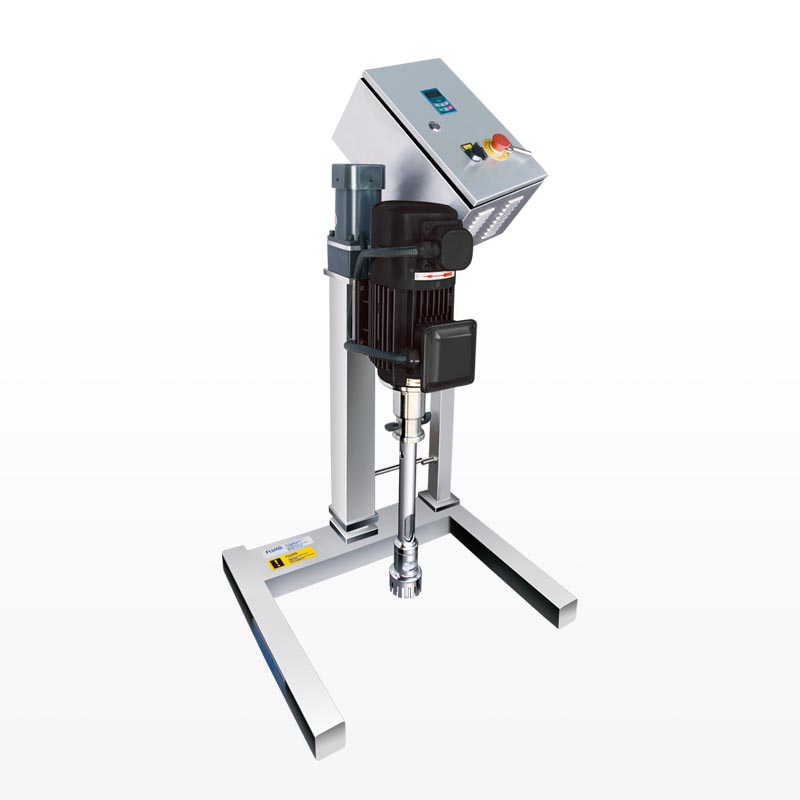
I’ve overseen multi-site mixer programs where shifting from break-fix to scheduled rebuilds reduced emergency maintenance spend by more than 40% within two years; those results are consistent with case studies from major refining hubs like the Houston petrochemical complex. When teams calibrate inspections to flow patterns and vibration signatures, they can identify issues before catastrophic wear. Practical tools include targeted flow-profiling and validated replacement cycles for components exposed to shear and abrasion — and when evaluating equipment choices, consider proven options such as tank jet mixer that align with documented field performance.
Common pitfalls and how to avoid them
Don’t conflate low purchase price with low lifecycle cost. Avoid blanket full-service contracts without performance KPIs; they often mask inefficiency. Don’t skip root-cause analysis after repairs — temporary fixes compound future losses. Likewise, don’t ignore data: poor instrumentation yields guesswork budgeting. Instead, insist on quantifiable SLAs, clear replacement thresholds, and periodic financial reviews tied to asset performance metrics.
Alternatives and trade-offs
Options include complete asset replacement, modular retrofits, or tightened maintenance regimes. Full replacement reduces failure risk but requires higher immediate CAPEX and capital planning. Modular upgrades can extend life at controlled cost but demand accurate diagnostics. Tightened maintenance improves availability but increases scheduled downtime. Choose based on net-present-value of expected uptime gains versus capital outlay, not on nominal equipment age alone.
Operational checklist for decision-makers
1) Calculate unplanned-cost-per-hour for each mixer. 2) Rank assets by financial exposure and MTBF. 3) Define inspection frequencies tied to operating stress. 4) Lock service contracts to repair time, spare-part pricing, and KPIs. 5) Model CAPEX versus extended-life scenarios over a five- to ten-year horizon. Follow this checklist and you convert maintenance from a reactive expense into a managed, predictable obligation.

Conclusion
Fix the financial leak: align specification, monitoring, and service to reduce emergency spend and extend useful life. The problem-driven approach I’ve outlined converts operational failure modes into measurable fiscal levers, delivering clearer budgeting and controlled risk. For many teams, the practical path forward is choosing proven equipment and disciplined lifecycle planning that produces reliable returns, a role that FLUKO can support through documented product performance and service options.