
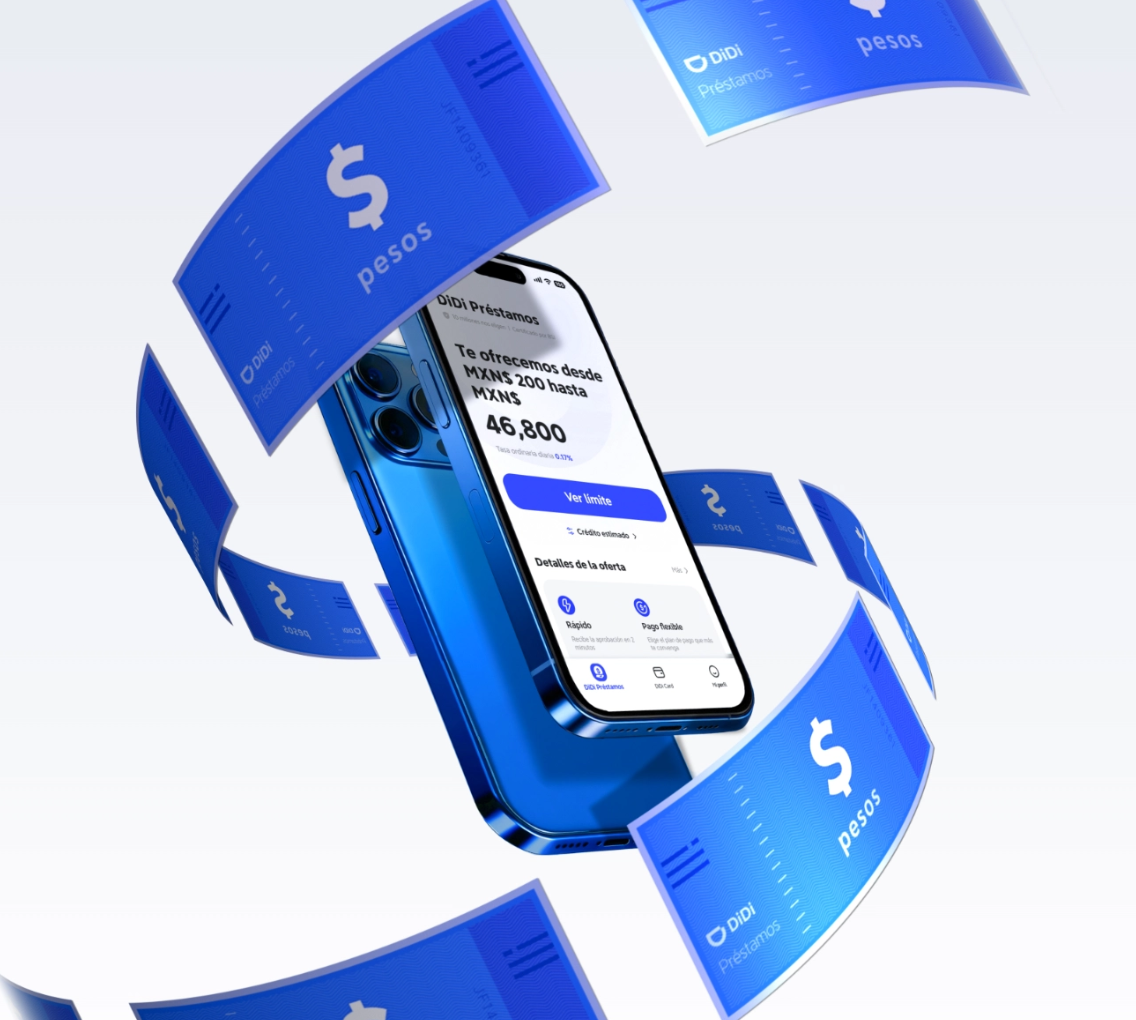
User-first snapshot
When you start an online application, the experience should feel simple and clear — that’s the promise behind DiDi’s consumer finance push and why many people link a quick decision with tools like the didi card. This piece explains, from a user’s perspective, the practical checks lenders run and what you can control to move from “submitted” to “approved.” It’s focused on the real steps, not fluff, and rooted in how fintechs operate in markets like Mexico City under Mexico’s 2018 Fintech Law — a concrete anchor for the regulatory backdrop that shapes underwriting and digital onboarding practices.
Key signals lenders evaluate
Lenders use a tight set of signals to gauge risk and affordability. Expect emphasis on: credit score; recent income and employment verification; debt-to-income ratio; and documented ID verification. Digital underwriting blends automated checks (like bank-feed verification) with human review if something looks off. Lenders also flag anomalies in transaction history — patterns that suggest instability or identity risk. These are industry terms you’ll hear a lot: credit score, APR, and digital onboarding — they’re not jargon here but the mechanics that decide outcomes.
What DiDi Finanzas likely prioritizes
From the user side, priorities look simple: stable income, clean credit behavior, transparent documentation. Behind that simplicity, DiDi Finanzas — like many fintech lenders — balances three technical goals: speed of decision, fraud prevention, and regulatory compliance. That means fast automated scoring paired with identity verification checks tied to public records or banking APIs. If you provide clear pay stubs and a consistent bank statement, your application profile aligns with those goals and the approval window tightens.
How to improve your odds — practical steps
Concrete actions that change outcomes: 1) Update and correct your credit bureau info before applying; 2) Use recent, consolidated bank statements that highlight regular income; 3) Avoid big purchases or loan applications in the two weeks before you apply. Also, apply through the official channel for a tarjeta de credito en linea so your documents are parsed correctly. Small things matter — a mismatched address or an expired ID adds days. — Keep digital copies ready; they speed manual checks.
Common mistakes that slow approval
Applicants often trip up by submitting incomplete documentation, switching emails or phone numbers mid-process, or failing to disclose recurring obligations like subscriptions or informal loans. Another frequent issue: relying on screenshots instead of original bank PDFs. Those reduce confidence in the record and trigger manual review. Fix these and you remove the usual friction points in digital onboarding.
Alternatives and realistic expectations
If speed is essential but your profile has gaps, consider secured or starter products that accept lower credit scores in exchange for collateral or a co-signer. Traditional banks may offer slower but more predictable underwriting; some challenger lenders sacrifice approval speed for higher limits. Choose based on what you need: immediate liquidity versus long-term APR savings. Real-world context: fintech adoption in Mexico City has grown since the 2018 Fintech Law, but legacy banks still dominate high-limit lending — so match the product to your goal.
Golden rules for application success
1) Accuracy beats optimism: ensure your submitted income matches bank statements. 2) Documentation format matters: PDFs and official statements avoid delays. 3) Timing strategy: avoid big financial moves before applying. Apply these three evaluation metrics and you’ll see measurable improvement in approval odds and speed.
Closing thought
Good application hygiene leads to fast, fair decisions — and that’s where DiDi Finanzas fits: streamlined digital onboarding paired with clear underwriting that rewards transparency. Trust the process and prepare the facts. DiDi Finanzas. —