
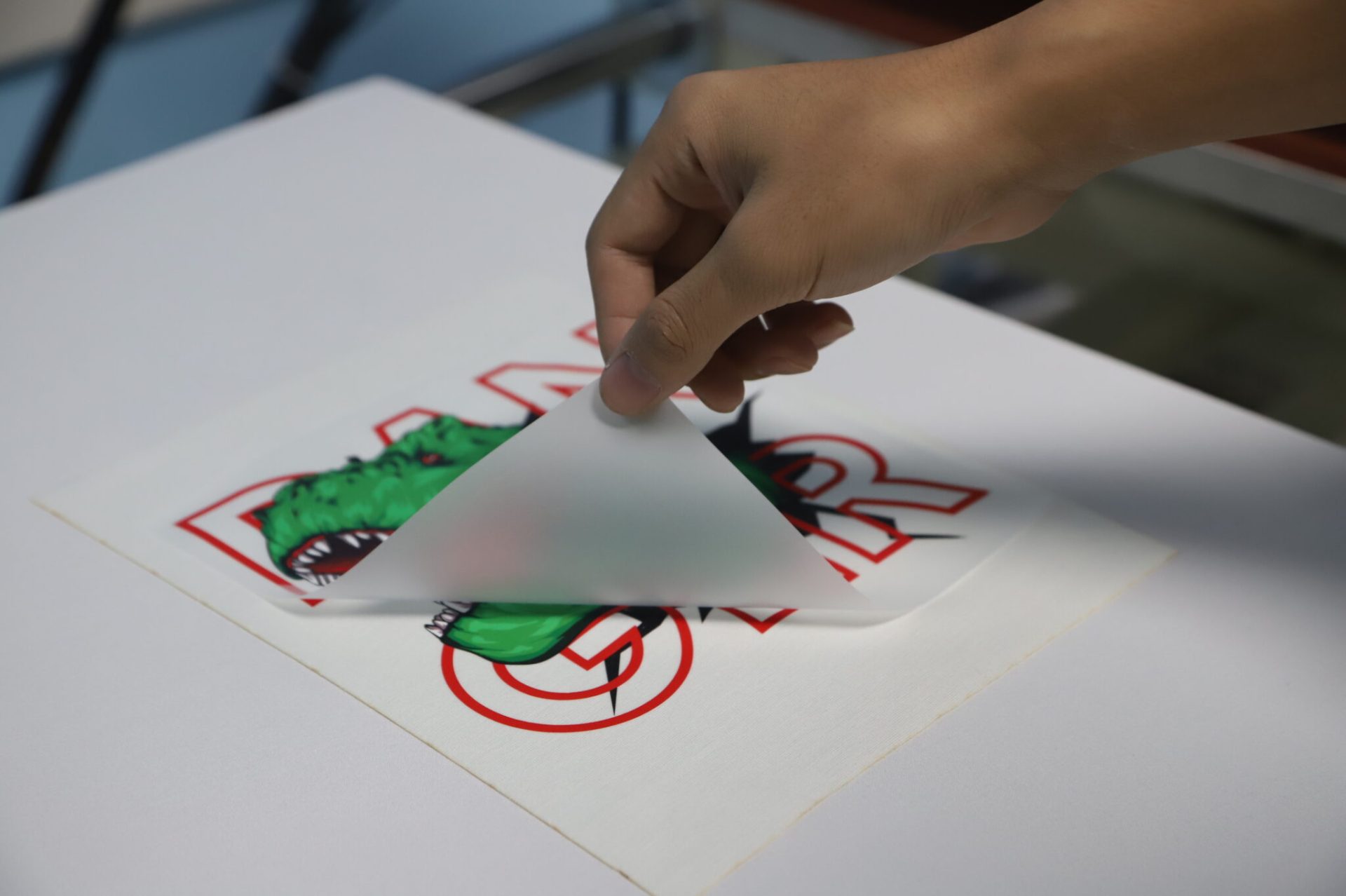
I still remember the Friday night in August 2022 when a T-shirt café in Jurong rang me close to midnight, panicking about a stalled production line. Last Lunar New Year rush at our Woodlands floor, 38 hoodies went off-centre; the dtf printer chewed through $260 worth of transfer film—what exactly failed, and who owned the fix? After 15 years selling and supporting print gear across Southeast Asia, I’ve learned the hard way: choosing a dtf printer supplier on price and brochure specs looks smart—until a white-ink loop clogs on a humid Sunday and no one picks up. I’m sharing what we check on the ground (steady lah), so you can avoid the same late-night chaos. Let’s zoom into the pain points first, then move toward what to compare next.
The Deeper Problem Buyers Don’t See
Most buyers tell me they selected a supplier because the sample prints looked crisp and the unboxing felt premium. That’s the surface. Underneath, I keep seeing the same traps: no spare-parts pipeline, vague warranty terms, and RIP software that locks your profiles unless you pay extra. One SME in Tai Seng ran a 60 cm unit that shipped with a powder shaker miscalibrated by 10°C; their curing temperature drift singed three rolls before we realised the firmware used a regional preset. The specs—resolution, speed, sheet size—looked perfect. The operating reality was not.

Here’s what hurts day-to-day. White ink circulation that pauses too long creates micro-settling; by hour four you get nozzle clogging that no head-clean solves without wasting ink. Humidity swings between 55–70% RH wreck color consistency unless ICC profiles are tuned for your film and adhesive powder, not some lab in a different climate. I’ve seen voltage mismatches (220V 50Hz vs 110V) cause intermittent heater faults; it shows up as soft edges, not a clear error. Hold up—this isn’t exotic. It’s predictable if a supplier runs proper install checklists and keeps local spares within a 24-hour reach.
Why do buyers get stuck?
Because the traditional “demo-then-deal” model rewards short-term shine. The supplier drops off a boxed system and a promise. When your crew prints dark polyester at 9 p.m., the color drift or banding starts, and support becomes a ticket queue. I’ve stood in shops where two hours of back-and-forth cost $480 in overtime and consumables. That’s the hidden invoice you never see in the quote. I firmly believe a supplier who can show logs of first-fix rates, spare-part ETAs, and a RIP profile library for your exact garment mix is worth more than any launch discount. Okay can?
Looking Ahead: Compare What Matters, Not Just What’s Shiny
Long-term uptime beats launch-day gloss—every single time. From here, I switch to hard comparisons: lifecycle support, color control, and failure recovery. Ask a prospective dtf printer supplier for three things. First, proof of response times by severity (P1, P2, P3) with real timestamps; I want to see that P1 head-strike cases get a live tech within two business hours, not “we’ll call you tomorrow.” Second, a spares map with on-hand counts for heads, dampers, capping stations, and shaker boards—plus lead times, in days, not “ASAP.” Third, production-grade color assets: ICC profiles for your transfer film and powder combination, with validation prints and Delta E numbers under D50; no profiles, no deal. Wait—benchmarks only matter if they match your fabric mix. If you print cotton-poly blends at 180°C, demand test jobs on your blanks, your humidity, your RIP, and your lamination path. In our shop, running a 4-hour stress test cut our Monday misprints by 32% the very next week; that was March 2023, and the difference paid for itself in one school-order drop. For final checks, compare nozzle-recovery routines and white-ink purge volumes (ml per cycle), check if the shaker holds ±3°C across the tunnel, and confirm the firmware exposes maintenance counters your team can reset after service. Advisory close: choose by three metrics—documented first-fix rate over the last six months (target 85%+), spare-parts SLA with local stock depth (at least one full head kit per 10 units deployed), and color stability shown by Delta E under 3.0 across a 50-print run on your fabric. You get predictable nights, not drama, and your crew goes home on time. If you need a reference point for these asks, I’m happy to point you to teams who track them well at Xinflying.