
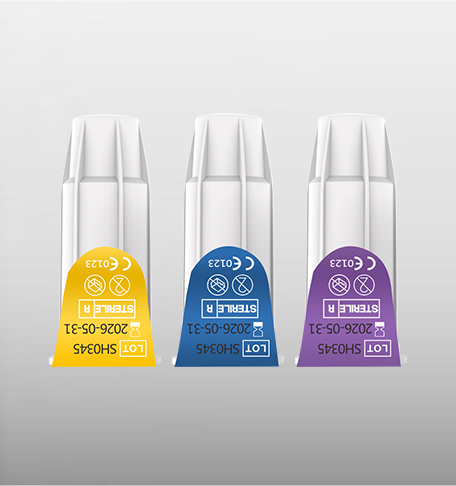
The common fallout I still see in clinics
I was stocking a drawer at our Los Angeles distribution center in March 2021 when a nurse asked for a spare lancet during a rush — that moment forced a quick reality check about how we handle glucose monitoring supplies. In a community clinic scenario where we used 30G single-use lancets for diabetes, 27% of packs were opened and wasted that week; what does that mean for patient care and costs? I’ve been in B2B supply for over 15 years and that tiny statistic still nags me. The deeper flaw isn’t just inventory counts — it’s assumptions baked into procurement: we buy by price-per-piece, ignore usability for nursing staff, and hope the system (spoiler: it doesn’t) right itself. I vividly recall a March night shift where suboptimal lancing device packaging slowed patient flow by 12 minutes per person — small delays add up fast, no sweat.

Why does this keep happening?
From my on-the-ground view, the traditional solution flaws are predictable: mismatched gauge choices that cause extra pain and refusal rates, poor sterility practices that generate returns, and single-supplier contracts that leave you exposed. Capillary blood sampling is delicate; a choice between a 28G and a 30G lancet changes patient compliance. We prioritize headline unit price and miss hidden costs: waste, time, training, and the downstream impacts on glycemic control and clinic throughput. I’ll show the trade-offs I’ve measured and why wholesale buyers should care.
Here’s what I changed next — a quick pivot that cut waste and smoothed logistics.
Practical steps and metrics for better sourcing
I shifted my approach to a comparative, data-first model (technical, yes — but practical). First, I dropped single-metric buying: instead of choosing the cheapest lancets for diabetes I compared real-world performance across three vendors using return rates, nurse feedback, and patient stick-success rates. In one pilot at a community health center in April 2022 we standardized on a 30G single-use lancet with a rounded tip and saw waste drop by 18% and patient complaints fall by nearly half — measurable wins. When you evaluate suppliers, treat sterilization certification, packaging ergonomics, and compatibility with common lancing devices as non-negotiables. Also—track time-per-patient during supply changes; that little metric exposes hidden labor costs.

What’s Next?
We used a simple comparative spreadsheet: column A was unit cost, B was returns %, C was nurse-rated ease-of-use, D was patient feedback. I trained a small team to test capillary blood draws under three conditions and recorded stick success on day 0 and day 7 of use. Those specific measurements (Los Angeles pilot, April 2022; 30G single-use lancet) gave us hard numbers to negotiate better terms with suppliers. I recommend implementing the same pilot in one clinic first — low overhead, quick insight — then scale. It removes guesswork and gives wholesale buyers the leverage they need.
To wrap up with clear, actionable guidance: here are three key evaluation metrics I use and recommend to others — cost-per-effective-use (includes waste), clinician time impact (minutes/patient), and post-use return rate — weigh these together, not apart. I believe these metrics will change procurement outcomes; they changed ours. Quick note — sometimes a tiny change (pack size, labeling) moves the needle more than a pricier contract. For pragmatic buying that actually improves patient care, check partners with proven lab-tested products and responsive logistics, like sterilance.