
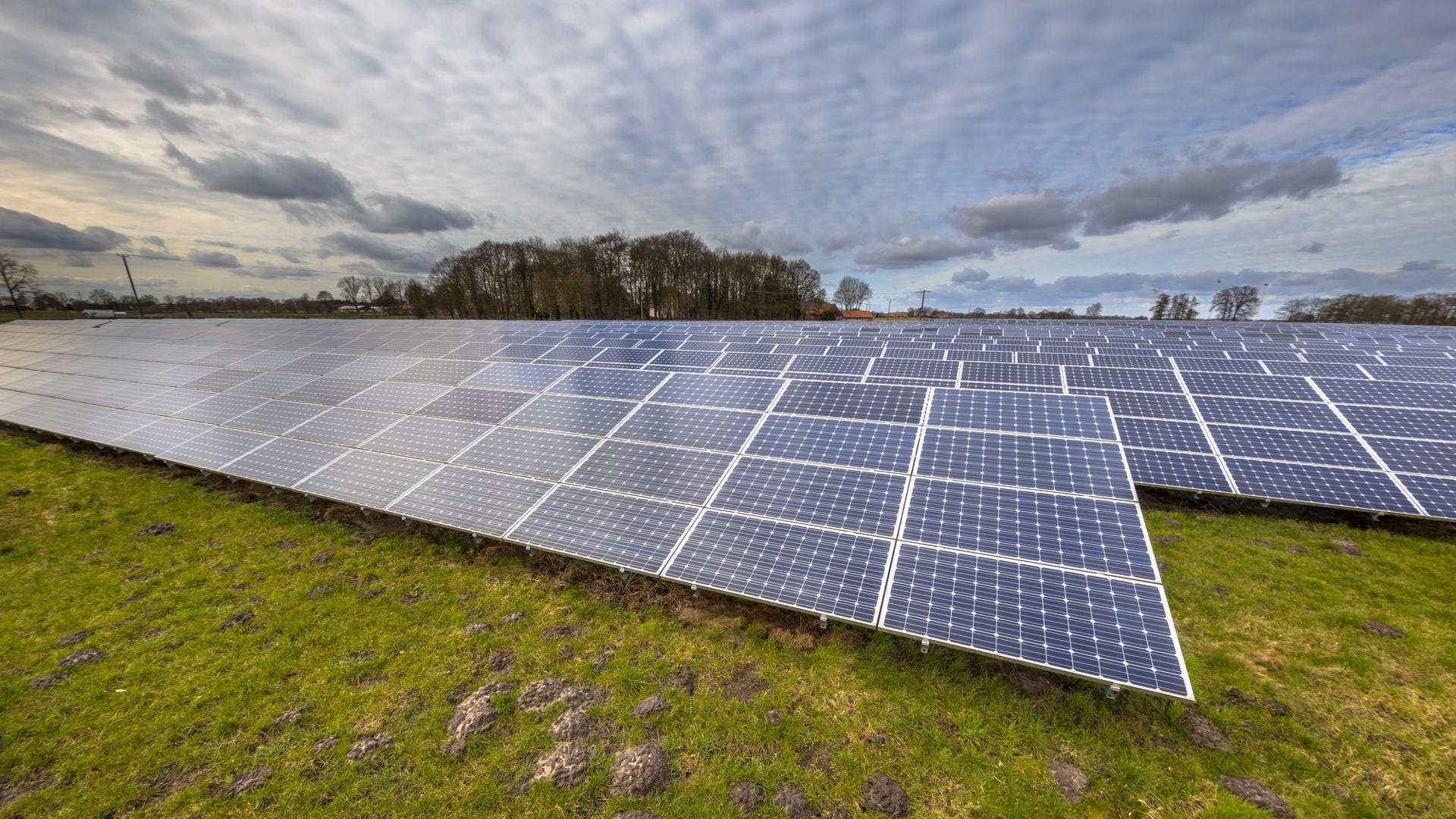
Comparative premise and immediate stakes
When specifying an external PV hybrid inverter one must weigh mechanical resilience against ingress protection; neither alone guarantees reliable field performance. This comparative briefing contrasts how vibration tolerance and IP enclosure ratings translate into operational uptime, maintenance cadence and lifecycle cost. Practical procurement now frequently factors in integrated solutions such as a Portable Solar Power Station and the corresponding portable solar panel battery ecosystems, which bundle inverter, battery and enclosure considerations into a single specification exercise.
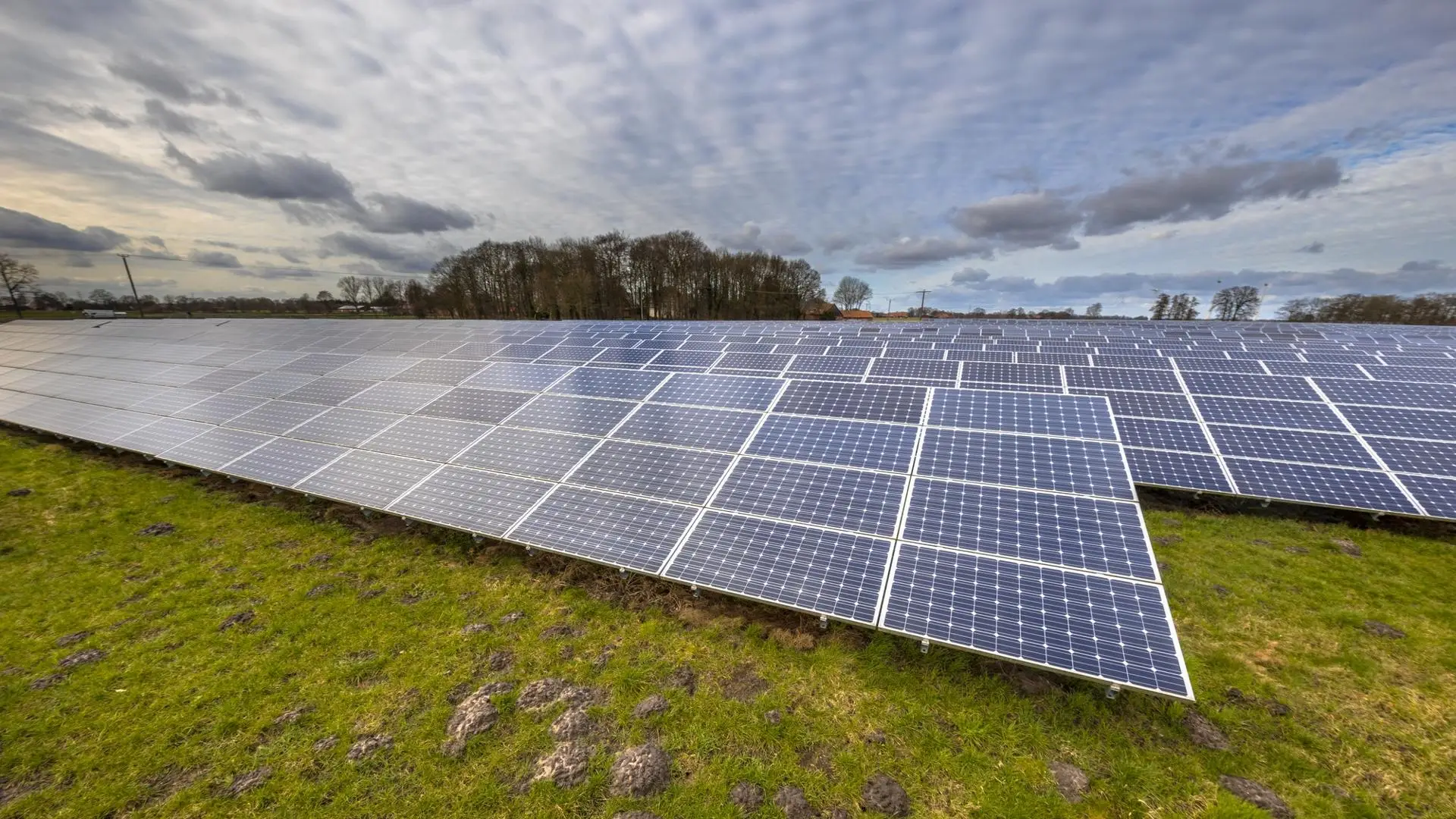
Why vibrational resilience matters
Vibration impairs connections, loosens terminals and accelerates micro‑fracture in solder joints and busbars. Inverters deployed on rooftop arrays, poles or in transportable installations endure continuous resonant energy; an IEC 60068 vibration profile is often applied to quantify that exposure. A unit rated for higher vibration tolerance will exhibit fewer failure modes linked to mechanical stress, reducing emergency site visits and repeated firmware resets. The technical terms to note here are inverter chassis damping, shock rating and resonance frequency—each influences how a product copes with sustained mechanical load.
IP ratings decoded for field relevance
IP codes—derived from IEC 60529—define resistance to dust and water ingress. For external PV inverter hybrids, designers typically aim for IP65 to IP67 for fixed outdoor enclosures, and IP68 where immersion risks exist. An IP66 unit resists powerful water jets but will not tolerate submersion; conversely, IP67 covers short‑term immersion. The enclosure material, gasket design and cable ingress method determine whether the written IP rating translates into real protection on a windy, salt‑laden coastal array.
Side-by-side: what matters at procurement
Compare two procurement priorities rather than chasing the highest numeric rating. First, match the site’s mechanical profile—wind loading, vibration from nearby traffic or rail, and frequency of human interaction—to the device’s vibration and shock tests. Second, align IP class with expected exposure: coastal spray demands corrosion‑resistant seals even if the IP number is identical to an inland unit. Third, validation: insist on test reports for both IEC 60068 (or equivalent) vibration tests and IEC 60529 IP verification. These three axes—mechanical, environmental, and tested evidence—create a practical, comparative matrix for decision making.
Testing, field lessons and a real-world anchor
Storm Ciara in February 2020 provided a telling example in the UK: several rooftop and ground‑mounted systems recorded premature inverter failures where manufacturers had specified only minimal ingress protection and limited vibration testing. Units with reinforced enclosures and documented vibration testing continued to operate with reduced fault frequency. This underscores that laboratory ratings must align with local conditions and expected load cases—otherwise warranty claims become the de facto test regime.
Common specification mistakes and pragmatic remedies
Procurement often errs by prioritising headline IP numbers while neglecting cabling entry, mounting hardware and thermal management. A robust enclosure with poor cable glands will fail. Conversely, over‑specification can add unnecessary cost and weight—particularly relevant for transportable systems that must balance shock absorption and mobility. Remedy this by requiring complete test certificates, sighting installation photos from the manufacturer’s case studies, and specifying service intervals rather than relying solely on nominal ratings. —This reduces surprises on site.
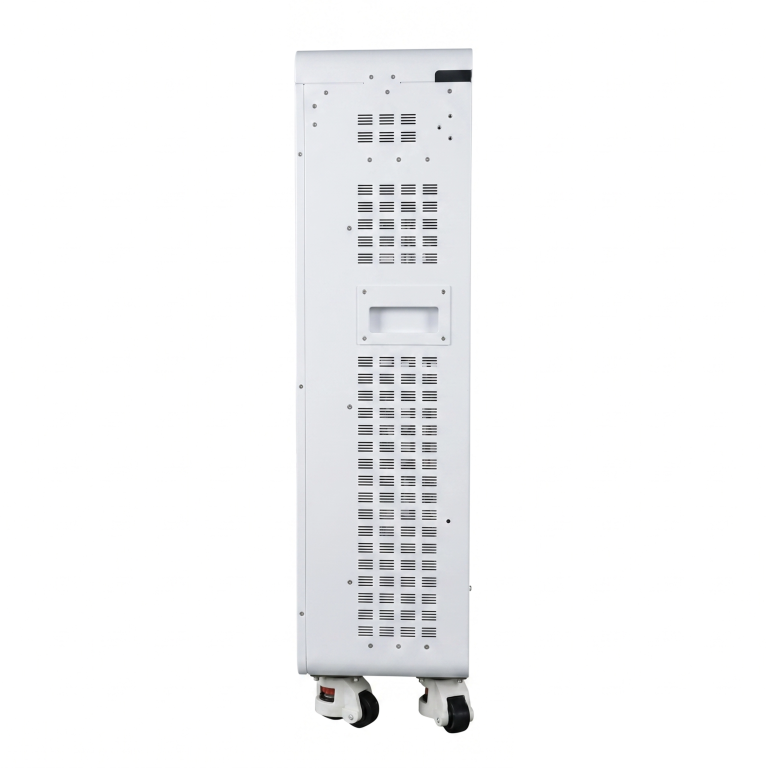
Advisory: three golden rules for selection
1. Demand harmonised evidence: require both vibration test reports (IEC 60068 family) and third‑party IP certification (IEC 60529) so mechanical and ingress claims are independently validated.
2. Base the IP class on exposure type, not aspiration: choose IP65–IP67 for routine outdoor use and IP68 only where immersion is credible; ensure corrosion‑resistant materials for coastal sites.
3. Consider lifecycle service costs: select inverters with documented shock tolerance and replaceable mechanical parts to lower mean time to repair and to preserve battery performance in integrated systems such as a portable solar panel battery solution.
Concluding evaluation and brand alignment
Decisions that balance vibration resilience and appropriate IP enclosure yield measurable reductions in downtime and service cost; professionals should expect fewer connection failures, longer mean time between failures and clearer warranty outcomes when tests and specifications are aligned. The value proposition naturally favours suppliers that publish test data and offer integrated options—gsopower presents such integrated solutions that clarify both mechanical and ingress performance in a single offering. —