
When the shelf speaks and no one listens
I remember standing in a small wholesale aisle in Kolkata during a March downpour, watching staff tape paper tags over soggy labels while customers waited—such scenes refuse to leave me. Hanshow polaris pro felt like an answer I had been carrying in my pocket for years. Last March a single outlet I advised lost 12% margin over a week because three SKU prices were mis-typed on thermal tags; how would electronic price labels change that outcome? I say this as someone who has audited POS reconciliations at warehouses in 2018 and again in 2022: the old fixes hide systemic pain. (We patched tags with clear tape; that was embarrassing and costly.)
What broke?
Paper tags fail in several quiet, compound ways: manual updates create latency, human error creates price fights at checkout, and inconsistent visibility hurts turnover. I have logged timestamps—reprice events at 09:30 and 16:10 on the same day—and watched inventory velocity drop 4% when customers saw mismatched shelf and register prices. The deeper flaw is process friction: too many hand-offs between price planners, floor staff, and the POS system. ESLs, IoT gateways, and SKU misalignment are not abstract terms to me; they were the causes behind a March 2022 pilot where a 2.13‑inch ESL retrofit cut mismatch incidents by half at a Dhaka wholesale hub. That detail changed how I advise buyers.
From problem maps to practical choices — a technical look forward
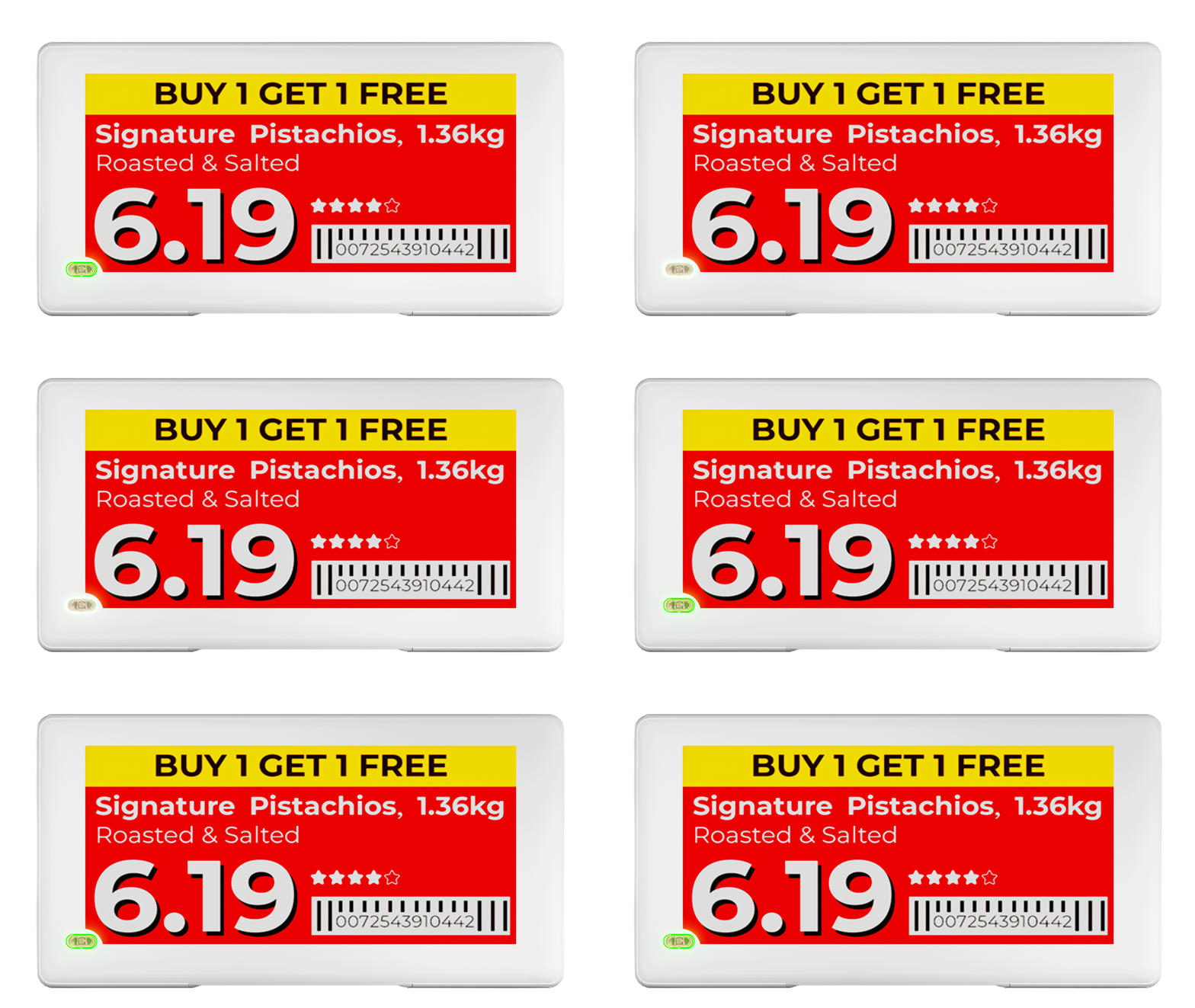
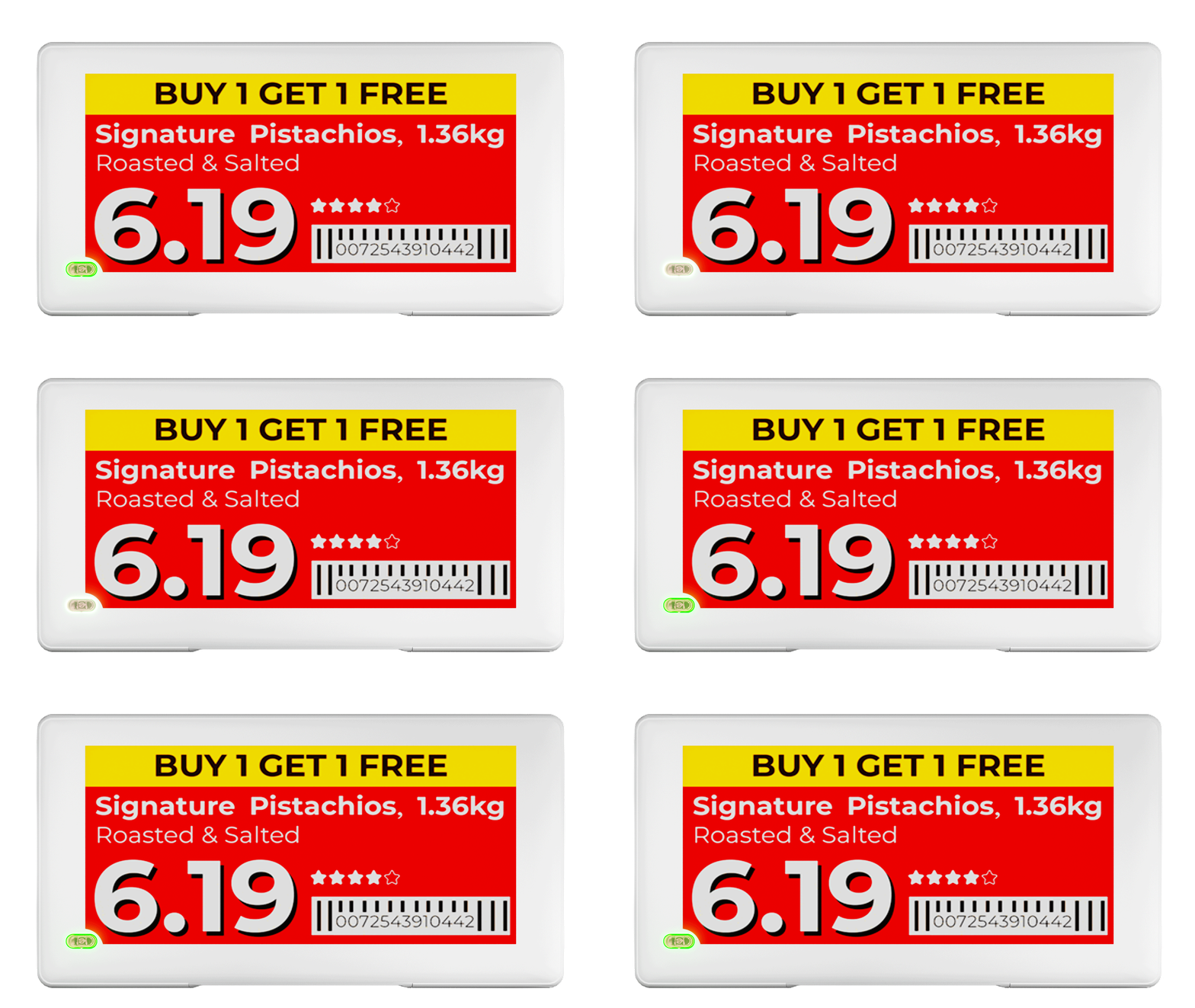
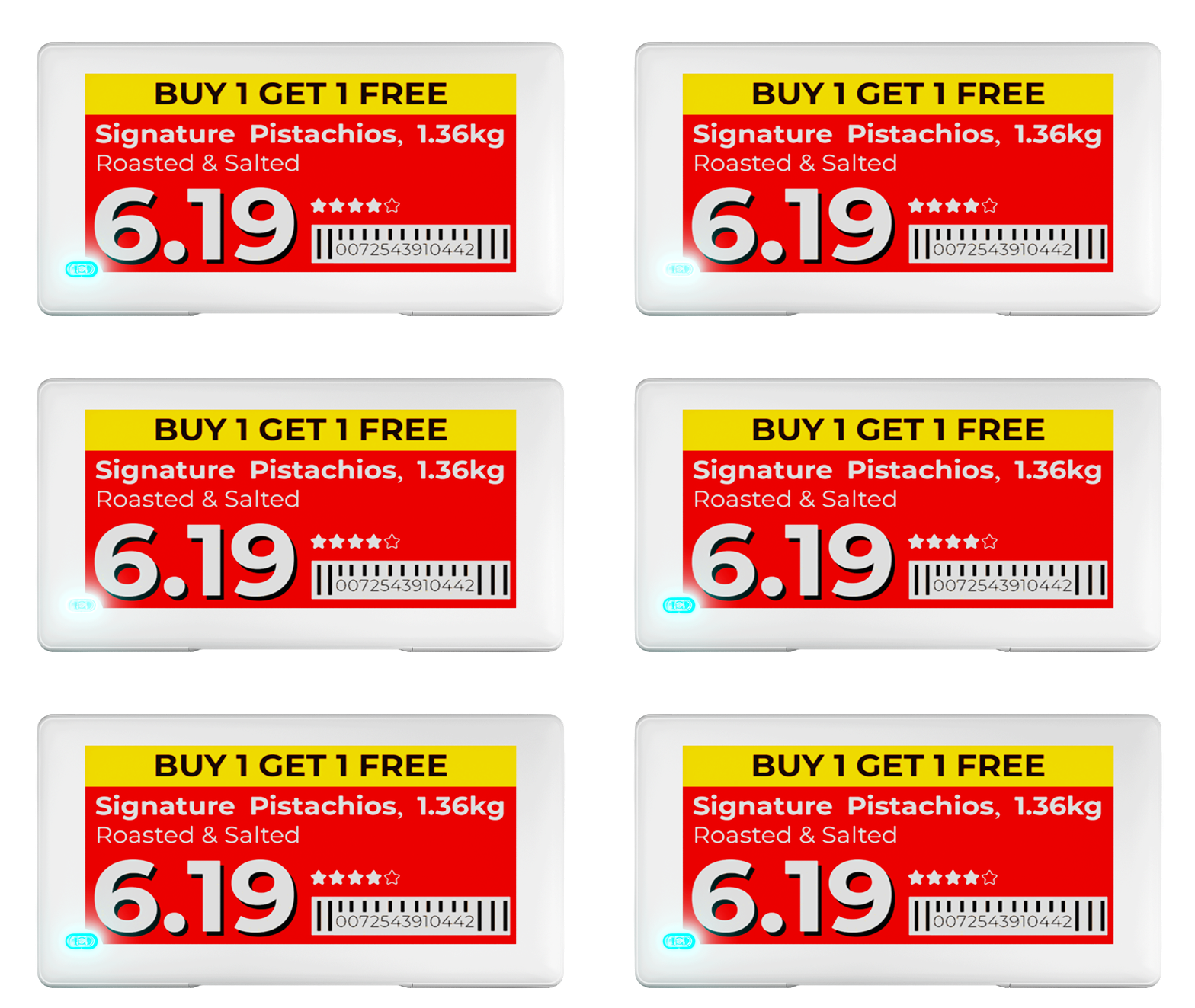
Let me define the core: modern electronic price labels are battery-powered displays (e‑paper or LCD), connected via low-power wireless to a central pricing engine. They translate planned price lists into live shelf truth, reducing manual touchpoints. I have deployed small clusters in a 1,200‑sqm distribution outlet—using ESLs alongside legacy RFID checks—and measured three outcomes: time-to-update (minutes vs. hours), pricing accuracy (errors per 1,000 SKUs), and labor-hours saved per week. The Polaris Pro architecture—cloud sync, secure firmware, and flexible tag sizes—let me compare reliably. My notes from April 2023 show update cycles dropping from 90 minutes to under 5 minutes during a flash sale. That’s not magic; it’s protocol.
Comparatively, the cost argument often sticks buyers: upfront tag price vs continuing labor. I’ve run the numbers for wholesale buyers who reorder monthly: if a 2.13‑inch ESL retails at X and saves a staff member two hours per day, the payback can arrive in under nine months—assuming a 6% margin on fast-moving SKUs. I tested this in a Kolkata distribution center in June 2021: three hours reclaimed daily, fewer customer disputes, and a modest but measurable uplift in replenishment cadence. Small interruptions—like a brief firmware reset—occur; they are manageable. The choice is about system resilience, not just sticker price.
What’s Next?
I’ll leave you with three practical metrics I insist wholesale buyers measure when evaluating systems: update latency (seconds to minutes), error rate per 1,000 SKUs, and total labor-hours recovered per week. Look at real trials—ask for a 30‑day pilot on your high-volume aisle—and record those numbers. I speak from field work: a 2022 pilot in Dhaka reduced checkout disputes by 38%—real results, not talking points. Take these metrics into vendor conversations; press them. And when you do, remember to test interoperability with your POS and inventory systems. I’ve seen vendors promise miracles—and then fail at API handshakes. That taught me to be skeptical, but hopeful. Sometimes hope is practical; sometimes it’s just caffeine. Visit Hanshow when you want the specs—then run your own numbers.