
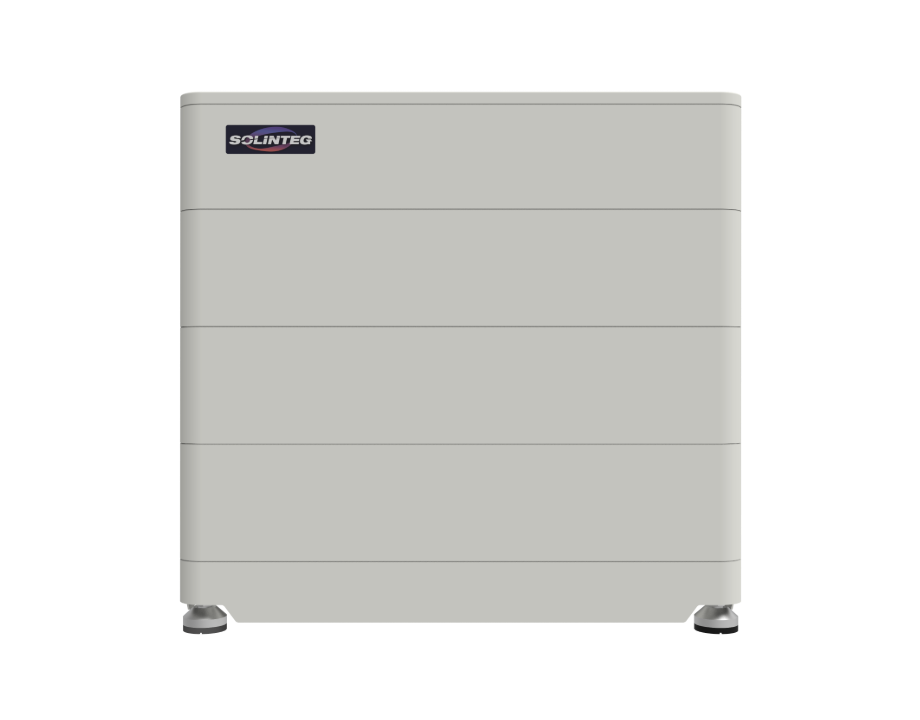
Comparative lead-in: why hybrid grid-tie matters now
Hybrid grid-tie inverters sit between simple grid-tie setups and full off-grid systems, and that position matters because grid interruptions have become more frequent in places like California after the 2020–2021 rolling blackouts. Homeowners who want both export to the grid and reliable backup increasingly pair solar arrays with a battery storage system to capture midday production and ride through outages. A hybrid inverter lets a PV array deliver power to loads, charge batteries, or sell surplus without complex switching—so the comparative question becomes one of priorities: resilience, cost, or maximum export.

What hybrid systems actually deliver
Hybrid inverters combine inverter functionality with battery charging logic and some degree of grid-forming capability. They handle PV MPPT, coordinate charge through the battery management system (BMS), and can manage state of charge (SoC) targets to preserve battery life. When designed as part of a solar system battery storage solution, hybrids enable peak shaving during high-tariff hours and provide seamless transfer to backup during islanding events. The practical benefit is straightforward: fewer components, simpler controls, and a single point of commissioning.
Side-by-side: hybrid vs. pure grid-tie vs. off-grid
Pure grid-tie systems are the cheapest up front but provide no backup. Off-grid installations maximize independence but require oversized inverters, large battery banks, and complex energy management. Hybrids strike a balance: moderate capital cost, built-in battery handling, and the ability to export. Key trade-offs include battery depth of discharge, round-trip efficiency, and response time during a loss of mains. For households prioritizing resilience, a hybrid with robust BMS and proven islanding performance is usually the most logical choice.
Common mistakes and installation realities
Many installers and owners make the same errors: undersizing the inverter relative to peak demand, neglecting the battery’s usable capacity versus nameplate capacity, or failing to define a clear backup load panel. Ignoring SoC strategy shortens battery life. Permitting and interconnection timelines also affect project viability—municipal reviews can add weeks. Plan for export limits, configure peak shaving properly, and specify grid-compatibility settings at design time — small oversights here lead to expensive rework. — The practical detail most often skipped is specifying fast-acting transfer and testing islanding under realistic load.

Sizing, economics, and performance metrics
Effective sizing begins with real load profiles rather than nameplate estimates. Match inverter continuous and surge ratings to the largest motor or HVAC load you expect to support in backup. Battery capacity should be expressed in usable kilowatt-hours after accounting for depth of discharge targets controlled by the BMS. Evaluate round-trip efficiency and expected cycle life when comparing lithium chemistries. In financial terms, model both time-of-use arbitrage and avoided demand charges to see payback windows clearly.
Three golden rules for choosing a strategy
1) Compatibility and certification: Confirm inverter supports required grid modes (grid-tied, grid-forming, anti-islanding) and meets local interconnection standards. 2) Lifecycle economics and warranty alignment: Choose batteries with transparent cycle warranties and a BMS that enforces SoC limits for longevity. 3) Real-world performance under outage: Verify transfer speed, islanding stability, and whether the system will sustain critical loads without manual intervention. These metrics separate promising proposals from systems that underperform in practice.
Final assessment and practical value
Comparing options makes one thing clear: hybrids offer the most practical path to resilience and economic return for many homes, provided the design accounts for inverter sizing, battery usable capacity, and smart control logic. Choose partners that document test results and field performance — that traceability matters after the first real outage. Practical. Precise. Proven.
SOLINTEG brings that traceability into projects by pairing clear specification with tested hardware — a working solution rather than a promise.