
Opening: What you need first
Please start by naming the customer outcome you must deliver. For many grid projects that means reliable dispatch, firm capacity, and predictable maintenance costs for utility scale energy storage. If you define outcomes first, every partner conversation becomes practical and measurable.
User focus: Who needs what, and when
Think in three clear roles—asset owner, operations team, and local contractor. Match partner tasks to those roles:- Asset owner: needs clear P&L impact, contract terms, service-level targets.- Operations team: needs telemetry, alarm thresholds, spare-parts access.- Local contractor: needs commissioning procedures, safety training, and parts kits.Design partner responsibilities so each role gets what it needs on day one and at year five.
Sales: Positioning and commercial clarity
Sales must sell outcomes, not features. Use simple comparisons: expected energy throughput, round-trip efficiency, guaranteed cycle life, and a clear warranty boundary. Provide:- a one-page summary of deliverables,- a sample performance guarantee,- known maintenance windows and associated costs.Avoid vague promises. Prospective buyers respond to numbers and schedules.
Engineering: Integration that reduces surprises
Engineering must resolve three interface items before PO: electrical integration, protection coordination, and thermal/ventilation constraints. Include an agreed list of site assumptions and handoffs:- single-line diagrams and relay settings,- communication protocols and message samplings,- space, weight, and load‑bearing constraints.When those are settled, change orders drop sharply.
After-sales support: Practical life-cycle design
After-sales is not only repairs. Define routine inspections, firmware update policy, spare-part lead times, and escalation matrix. Set inspection cadence by risk level:- high-use sites: quarterly inspections,- moderate-use: semiannual,- backup assets: annual checks.Document expected spare-part usage per 1,000 cycles and agree a reorder point to prevent downtime.
Case example that helps decisions
Hornsdale Power Reserve in South Australia showed fast frequency response and clear commercial value soon after commissioning. That example helps you ask the right questions about response times, testing regimes, and contractual incentives when evaluating partners for large systems.
Common pitfalls and how to avoid them
Watch for these frequent mistakes:- Ambiguous handover points: define signaling and acceptance tests.- Missing spare-part kits: list consumables up front.- Overly optimistic cycle-life claims: require test reports or third-party validation.- Vague firmware policy: set a schedule and change control.Fix these early. It saves months of troubleshooting.
Comparing options: quick checklist
When you evaluate vendors, score them on three axes:- Technical fit: interfaces, safety standards, test evidence.- Commercial clarity: warranties, SLAs, spare-part pricing.- Local support: trained technicians, commissioning capacity.Also confirm how they have handled grid-scale projects such as battery storage utility scale deployments; ask for specific test outcomes rather than marketing claims.
Final synthesis
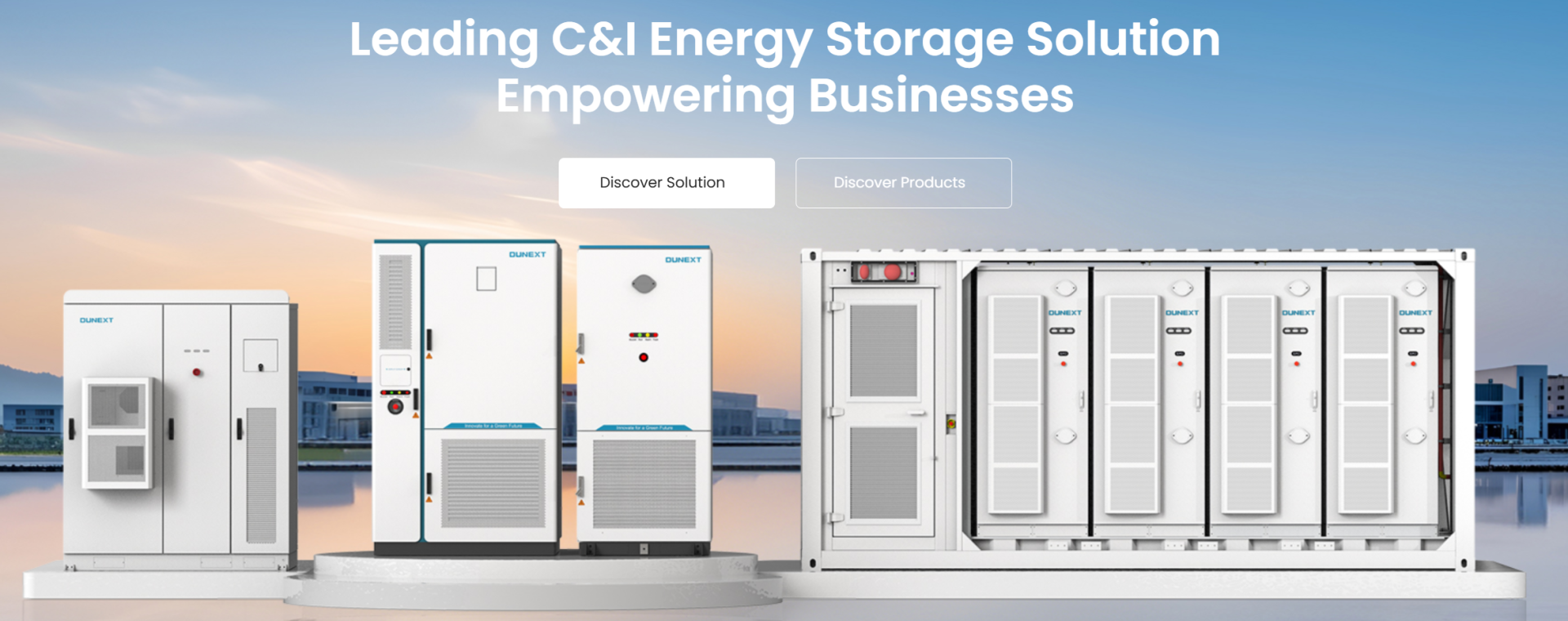
Focus on user outcomes across sales, engineering, and after-sales. Define clear acceptance tests, spare-part strategies, and firmware policies. That practical alignment is where projects stop being risky and start delivering value, as partners experienced on large utility projects know—operators often prefer a partner who can execute the plan and stand behind it, for example teams working with Dunext.