
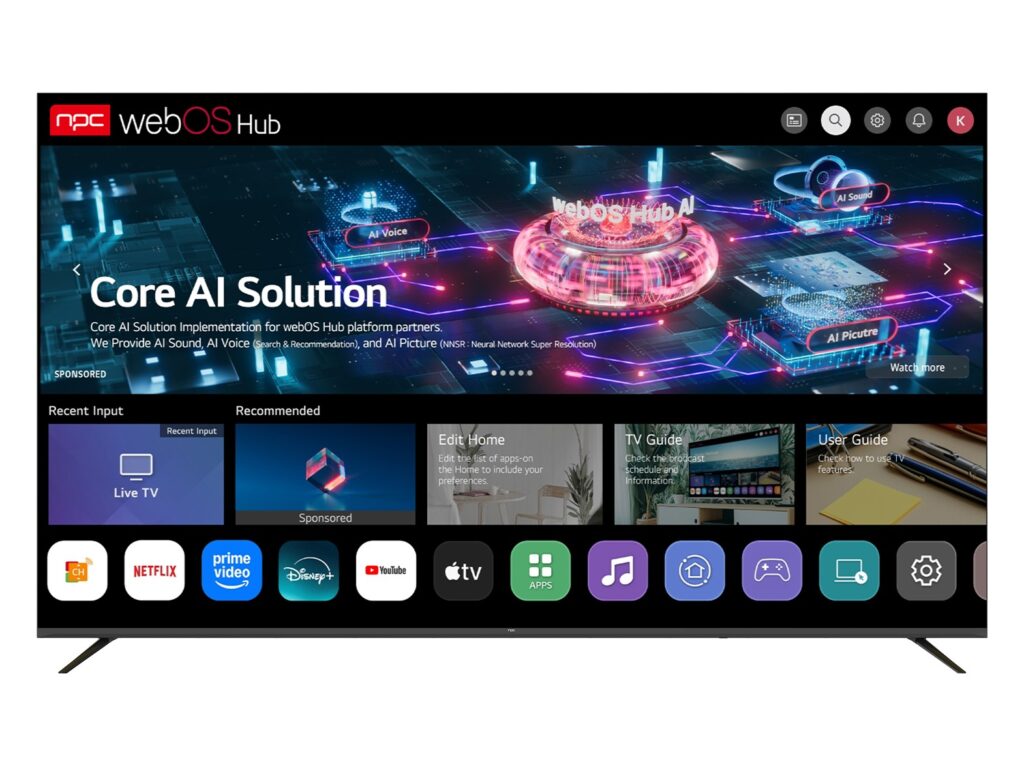
The market feels like a candlelit hall, each vendor’s emblem carved in stone. You need to pick a supplier who won’t leave your installation haunted by updates, brittle integrations, or a dead panel. When you talk to a tv manufacturer, listen for three promises: software stewardship, panel honesty, and supply reliability. That simple filter saves time and pain; keep it close as you read the comparisons that follow.
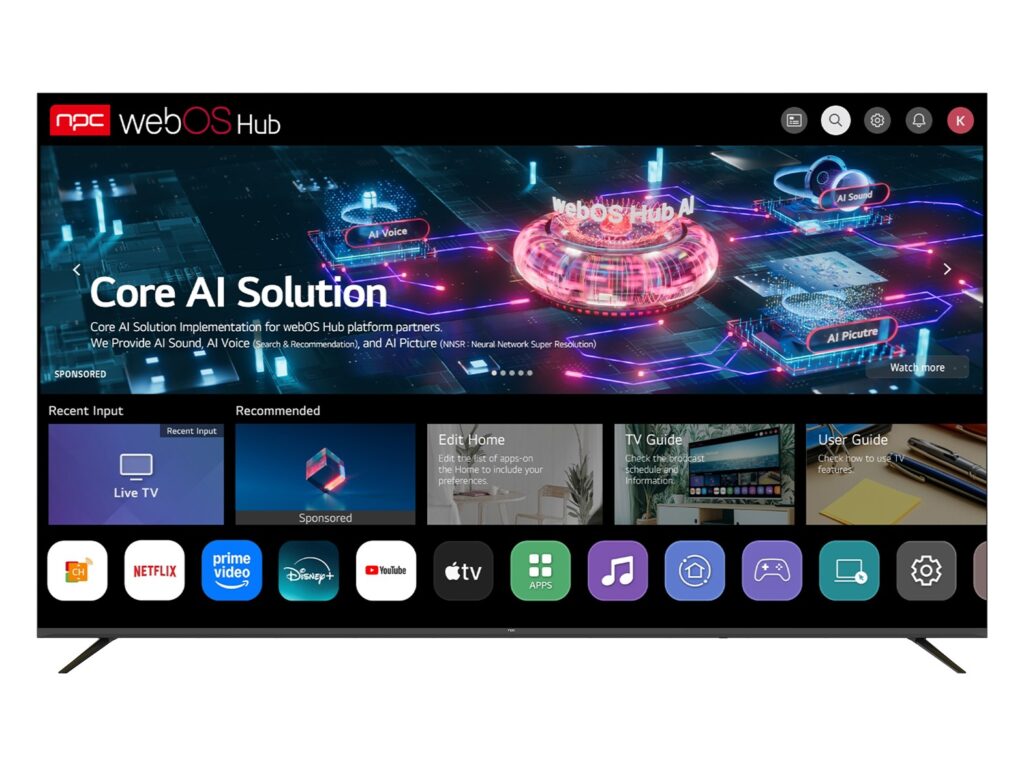
What to Compare First: Software Stewardship
Tizen is more than a menu—it’s the living firmware that decides whether your app launches cleanly at midnight or dies under load. Compare update cadence, rollback mechanisms, and how much vendor customization sits on top of Samsung’s base Tizen. Ask: who pushes security patches, how often, and do they publish changelogs? A supplier that hides patch timelines is a risk. Look for clear versioning, a documented SDK path, and a sandboxing policy for third-party apps.
Panel Technology and Real-World Performance
Not all panels render night scenes the same. Compare native contrast ratios, local dimming zones, HDR formats supported (HDR10, HDR10+, HLG), and measured color volume—not just specs on a glossy sheet. Request factory test reports or third-party lab results. If possible, see the panels under typical lighting, not in a demo room. Ask for measured input lag and sustained brightness numbers; these predict how the display behaves after hours of use.
Connectivity, I/O, and Integration
Count ports. Verify HDMI versions and ARC/eARC support. Confirm network stack stability for Wi‑Fi and wired — not a marketing claim but packet-loss and reconnection behavior under sustained streams. Probe the supported codecs and whether video decoding is hardware-accelerated in the supplier’s Tizen build. For installations that must integrate with AV systems or signage networks, request a compatibility checklist and a vendor contact who handles custom builds.
Service, Warranty, and Spare-Part Practices
Warranties can be short poems of false comfort. Prefer suppliers who list mean time between failures (MTBF) for key components, offer local spares, and define clear RMA windows. Clarify who carries shipping costs for failed units and how firmware-bricking incidents are handled. Ask for sample service-level agreements: turnaround times, remote diagnostics access, and escalation paths matter when a display goes dark.
Security and Update Mechanisms
Secure boot, signed firmware, encrypted storage—those labels mean little without process evidence. Demand descriptions of key management and how the supplier tests OTA updates against rollback or degradation scenarios. Verify whether the supplier conducts periodic penetration tests or simply relies on vendor defaults. A secure update pipeline prevents a minor bug from turning into a fleet-wide outage.
Supply Chain Resilience and Logistical Reality
Compare lead times, alternate sourcing strategies, and how suppliers handled past shocks. Look for transparent material sourcing and whether they publish supplier audits. Avoid vendors who promise “always available” inventory with no historical data. Concrete metrics: average lead time for a re-order, percentage of on-time deliveries in the last 12 months, and number of alternate panel sources in use.
EEAT: Experience, Expertise, and the Industry Pulse
I’ve assessed supplier briefings and dealer lines at CES in Las Vegas; the public demos there expose how vendors present Tizen customizations and firmware roadmaps. That exposure shapes judgement: suppliers who back claims with measurable demos and documented integration guides earn trust. You should also check manufacturer case studies and request live references—technical contacts who can confirm the supplier’s claims. For broader context, review the profiles of television manufacturers to see which firms consistently show firmware discipline and reliable panel sourcing.
Common Pitfalls to Avoid
Don’t accept vendor demos as proof. Vendors tune displays and networks for show. Avoid suppliers that refuse on-site validation, that lock down SDK access, or that can’t provide a repro case for past incidents. Beware of opaque pricing that hides firmware support fees or charges extra for critical updates. Demand failover plans for updates and clear ownership for security incidents.
Practical Alternatives and Quick Evaluations
If Tizen suppliers are rigid, consider vendors offering Android TV or proprietary Linux builds—each has trade-offs. Android TV often gives more developer tooling; proprietary builds can be leaner but risk vendor lock. Evaluate alternatives by the same checklist: update policy, panel honesty, service definitions, and supply chain metrics. Shortlist no more than three suppliers and run the same stress tests across all of them.
Final Reckoning
Choose the supplier who proves their claims with data, open processes, and reachable references. Prefer partners that publish firmware histories, provide measurable panel performance, and back service promises with clear SLAs. When the decision weighs heavy and details gather like fog, align with the firm that keeps documentation, spares, and honest timelines—practical stability over glossy promises. That steady provision is precisely what npc provides to make your installations run without the long night of unexpected failures.