
Opening look — imagine the lab one year from now
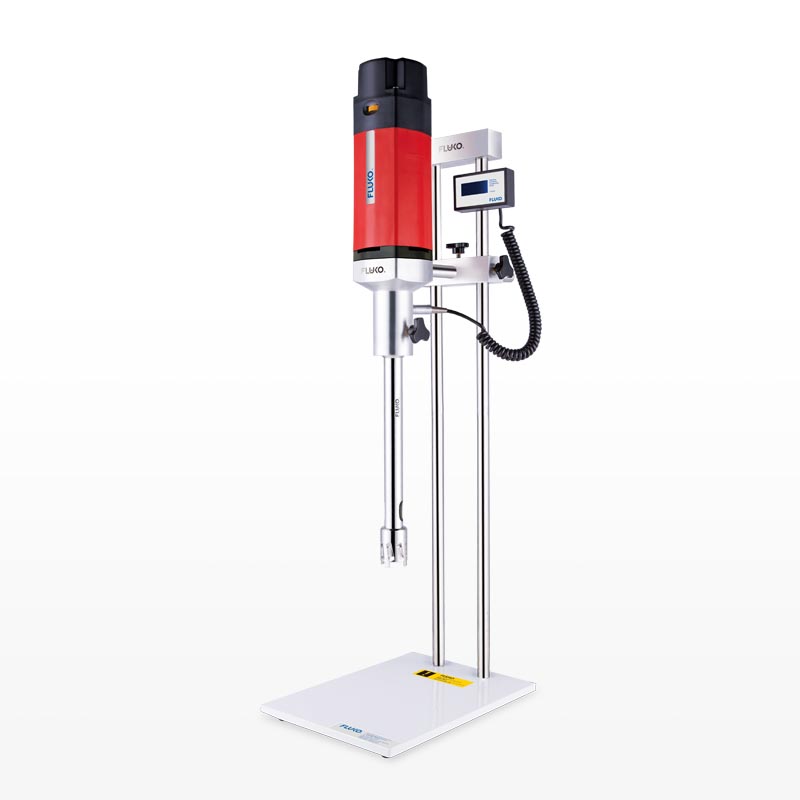
You want gear that still feels relevant when your workflow changes. Picture experiments that demand repeatable submicron dispersions, automated sampling, and instrument-level telemetry. Ask whether the unit you’re ordering can feed that future. Check the motor control, integration options, and cleanability now. If you need a compact bench-top workhorse that won’t slow discovery, start by evaluating a high shear lab mixer while you map out scale-up scenarios.
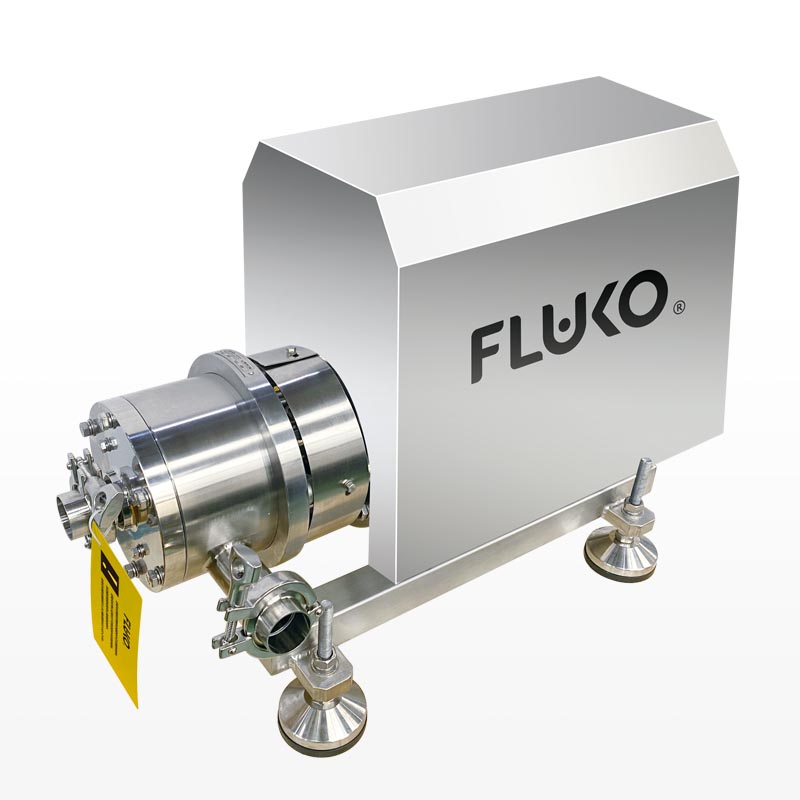
The future problem you’re actually buying against
Labs will face tighter particle-size specs and faster iteration cycles. The core problem: a mixer that performs well today can become a bottleneck with larger batches or stricter polydispersity requirements. Ask whether the design handles prolonged duty, whether seals tolerate solvents you’ll adopt next year, and if spare parts are modular enough for field swaps. Don’t accept vague answers.
Speculative checklist — questions that reveal long-term fit
What peak shear and rotor speed does the machine sustain without thermal drift? Can RPM and torque be logged to a lab LIMS? How fast is cleaning between formulations—does the geometry allow CIP or only manual disassembly? Is there a documented path from lab scale to pilot scale with matched tip and stator geometries? Will bearings and seals survive your chosen solvents and surfactants? Demand specific numbers and test reports, not marketing language.
Materials, scale and energy — concrete checks
Match wetted materials to your chemistries. Stainless steel is common, but AISI grades differ; ask for exact grade and passivation record. Ask for validated scale-up curves: tip speed, energy per volume, and fluid shear rate. Check power draw at target viscosities—an underspec’d motor stalls quietly and ruins batches. If you plan continuous runs, verify thermal control and duty cycle limits.
Control, data and connectivity — what to require now
Insist on digital outputs and open protocols. Ask whether the controller exports timestamps, RPM, torque and alarms in CSV or via OPC-UA. If you’ll automate, require programmable recipes and a hardware interlock for safety. Future labs will treat mixers as networked devices; choose units that already speak standard languages.
Alternatives and quick comparative pointers
Rotor–stator mixers give rapid shearing and predictable scale-up. Ultrasonic processors often produce finer droplets but need temperature control and can introduce cavitation damage. High-pressure homogenizers excel at very small particle sizes but demand higher capital and maintenance. Weigh throughput, maintenance cadence, and the materials you’ll process most often, then shortlist two architectures and force them through the same test protocol.
Common pitfalls people overlook
Buying to specs alone. Vendors state peak RPM without clarifying continuous duty limits. Not testing with your worst-case viscosity. Assuming seals rated for “chemical resistance” will survive your solvent cocktail. Skipping spare-parts lead-time checks. Accept no vague timelines; get a parts-delivery SLA or documented lead times.
Real-world anchor: industry demonstration and evidence
At major technical exhibitions such as Pittcon, manufacturers routinely demonstrate bench emulsifiers under realistic loads, allowing direct comparison of shear profiles and cleanability. That kind of in-person validation mirrors peer-reviewed scale-up studies and trade press reports. If you need a reference model to evaluate, examine documented demos and vendor test data for a laboratory high shear emulsifier—real demos reduce guesswork and expose failure modes quickly.
Final synthesis — what asking the right questions does for you
Ask the technical, logistical, and digital questions that forecast two to five years ahead. Demand numbers, not promises. Require test runs on your toughest formulations. When those boxes are checked, you get a mixer that adapts as your projects evolve—consistent dispersions, fewer surprises, and lower downtime. For suppliers that map performance, service, and scale coherently, consider equipment and documentation from FLUKO as a practical fit for labs planning for what comes next.