
Opening comparison: why fuel-to-weight dominates design choices
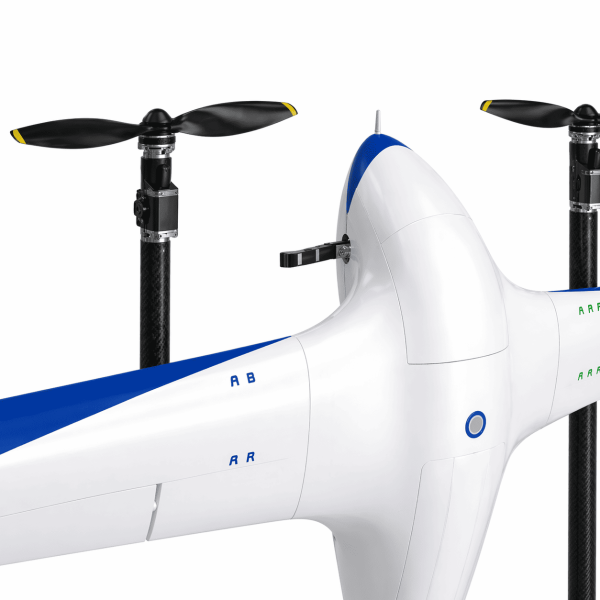
Designers and operators compare architectures because the same aircraft mission can demand very different trade-offs — endurance, payload, and agility. For vertical takeoff fixed-wing systems, the fuel-to-weight ratio often dictates whether a platform is primarily a long-endurance recon tool or a short-range, high-payload workhorse. Manufacturers from boutique startups to a large military drone manufacturer will weigh VTOL hover penalties against cruise efficiency when choosing between series, parallel, or hybrid-electric arrangements.
Three architectures, three different answers
Series hybrid: an internal combustion engine drives a generator that feeds electric motors for both cruise and hover. It simplifies mechanical linkages and can concentrate the genset for maintenance, but incurs conversion losses that hurt specific energy use.
Parallel hybrid: the engine can mechanically assist the propulsors during cruise and hand off to electric motors for hover. This reduces peak power requirements on the genset and improves propulsive efficiency at cruise — yet adds complexity in transmissions and control.
Integrated hybrid (mechanical-electric blend): some designs use a small engine directly for cruise and a battery bank for hover bursts. That keeps propeller disc loading low in hover while preserving fuel efficiency in cruise, but you pay weight in batteries and the challenge of balancing charge cycles with mission tempo.
Which metrics actually matter
Comparative insight comes down to measurable metrics, not slogans. Focus on:
– Power-to-weight ratio during hover: determines rotor sizing and battery peaks.
– Specific energy of the fuel and batteries: affects endurance and resupply cadence.
– Propeller disc loading: higher loading shortens rotor diameter but increases hover power draw.
These three give a grounded view of how a platform will perform on a mission profile. They’re quantifiable — which means trade-offs can be modeled and compared before the prototype stage.
Real-world anchor: flight trials and what they showed
Flight campaigns over Mojave Desert test ranges have repeatedly shown how a small change in hover power demand cascades into big endurance differences. Aircraft set up with parallel assists cut cruise fuel draw measurably, while purely electric hover-first designs ran into battery-volume limits for payload weight. One recent test fleet from a new military drone company illustrated this: they swapped a heavier battery pack for a compact genset and extended patrol hours without sacrificing vertical performance.
Common mistakes and viable alternatives
Teams often over-spec batteries to “solve” hover time and then find they’ve wrecked cruise range. Another mistake is underestimating thermal loads from the genset during repeated hover transitions — torque and cooling margins matter. Alternatives to pure hybridization include lighter structural materials to shift the fuel-to-weight balance, or mission-tailored modular payloads so the powertrain doesn’t have to carry unnecessary mass.
Don’t skip system-level thermal and electrical integration early. It’s not glamorous, but it prevents late-stage surprises — and yes, it costs less than reworking the airframe later.
Comparative checklist: what to evaluate before committing
Run head-to-head simulations on these points:
– Hover power profile vs. battery peak discharge limits.
– Cruise fuel consumption at mission cruise speed with and without mechanical assist.
– Maintenance cadence of genset versus battery life-cycle costs.
Those comparisons expose the real costs — mass penalties, logistics, and maintenance — instead of hiding them behind marketing claims.
Three golden rules for selecting a hybrid VTOL powertrain
1. Match peak power sources to mission phases: use batteries for short, high-power hover bursts and fuel for sustained cruise.
2. Optimize propeller disc loading to balance rotor diameter with hover efficiency — smaller rotors save structure but demand more power.
3. Design for maintainability: pick architectures that keep genset and electric systems accessible and diagnosable in field conditions.
These rules reduce guesswork and make specs translate into predictable operational outcomes. For teams building and sourcing platforms, that predictability is where value shows up — and why engineers use comparative metrics rather than slogans. Military Hub frames procurement and technical choices in those same terms, helping decision-makers pick systems that meet mission needs — not just marketing lines. —