
Introduction — a question that won’t leave me alone
Ever wonder why that noisy fan keeps stuttering on a hot afternoon while the bill climbs steady as a freight train? I do — and I see it a lot in small shops and big plants (you’d be surprised). The electric motor at the heart of the problem often gets blamed, and for good reason: modern drives, power converters and simple inverters all interact in ways that hide real trouble. Data from field checks shows repeated patterns — upticks in vibration and early bearing wear after only a few thousand hours. So what are we missing, and can one tweak really change the whole picture?
I’ll be honest: I’m drawn to practical fixes. I look at heat maps, listen to hums, and read error logs the way others read a good novel. When a motor runs hot, the ripple in torque or a misaligned control algorithm usually tells the story. We’ve seen 10–30% efficiency drops in systems where simple timing or sensor choices were off. That’s real money. Now let’s dig in — and I’ll show you where the stubborn parts hide, and why small changes often matter more than big ones.
Peeling Back the Curtain: Why Traditional Designs Trip Up
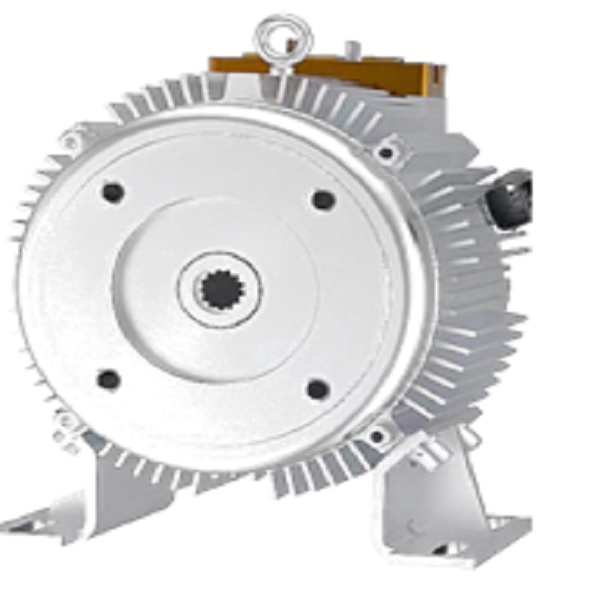
When I talk about the permanent magnet synchronous motor, I mean a machine that promises high efficiency but often delivers headaches in the field. Technical folks will point to the rotor and stator geometry, and you should too — they decide flux paths and heat spots. Older control schemes rely on fixed PWM maps and crude sensor timing. Those maps ignore changing loads and field weakening needs, and that mismatch shows as torque ripple and audible noise. Look, it’s simpler than you think: a well-tuned controller can smooth that ripple and save wear.
Most legacy fixes focus on brute-force: bigger bearings, thicker shafts, or oversized cooling. Those solutions mask symptoms but don’t stop the root causes. The inverter may supply cleaner voltage, yet if the feedback — an encoder or hall sensor — lags, you still get hunting and hunting means heat and fatigue. I’ve seen teams replace whole drives when a firmware tweak would have done the trick — funny how that works, right? If we unpack failure modes (overheating, eccentric loading, resonance), we find repeatable mistakes: ignoring PWM harmonics, poor sensor placement, and fixed-frequency bias. That’s where diagnosis wins over replacement.
So what’s the single worst habit?
Overdesigning mechanical parts while under-investing in control strategy. You can spend a fortune on hardware and still hear that shiver in the shaft if the control algorithm isn’t matched to real load profiles.
What Comes Next: Principles and Practical Moves
Let’s talk about how we move forward — not with buzzwords, but with clear principles. The new approach leans on adaptive control, smarter field-weakening maps, and better sensor fusion. When you pair a brushless motor with an encoder and a tuned control algorithm, you cut torque ripple and reduce stress on bearings. We’ve applied model-based observers and simple online calibration to trim losses. These aren’t magic tricks; they’re rigorous steps: measure, model, and then close the loop with real-time adjustments.
On a practical level, I recommend phased updates: start with sensor placement and calibration, then refine PWM shaping to reduce harmonics. Add adaptive field weakening only after validating the thermal model. This staggered plan keeps downtime low and learning quick. The result? Smoother start-stop cycles, longer bearing life, and fewer surprise repairs — measurable gains you can show to the boss. Also — don’t forget diagnostics that talk plain English. I’ve sat through too many dashboards that look fancy but tell me nothing.
What’s Next
Real-world pilots pay off. Try a single-line upgrade: swap sensors, tune the controller, monitor for 90 days. You’ll spot gains fast. And remember the simple truth — small, focused steps beat big, unproven overhauls most days.
Conclusion — three metrics I’d use before buying anything
Before I sign off, here are three things I always check when evaluating motor and drive solutions: 1) Torque stability under variable load (look for low ripple across the usable band), 2) Thermal headroom with realistic duty cycles (not factory test patterns), and 3) Diagnostics clarity — can the system tell me what’s wrong in plain terms? Use those metrics and you’ll avoid flashy fixes that don’t last. We’ve learned these lessons the hard way, and I’d rather your team skip that part.
Thanks for sticking with me — I hope this helps you think differently about motors, controls, and the small choices that make big differences. For practical parts and support, check Santroll.