
User-driven sourcing: buy what the field demands
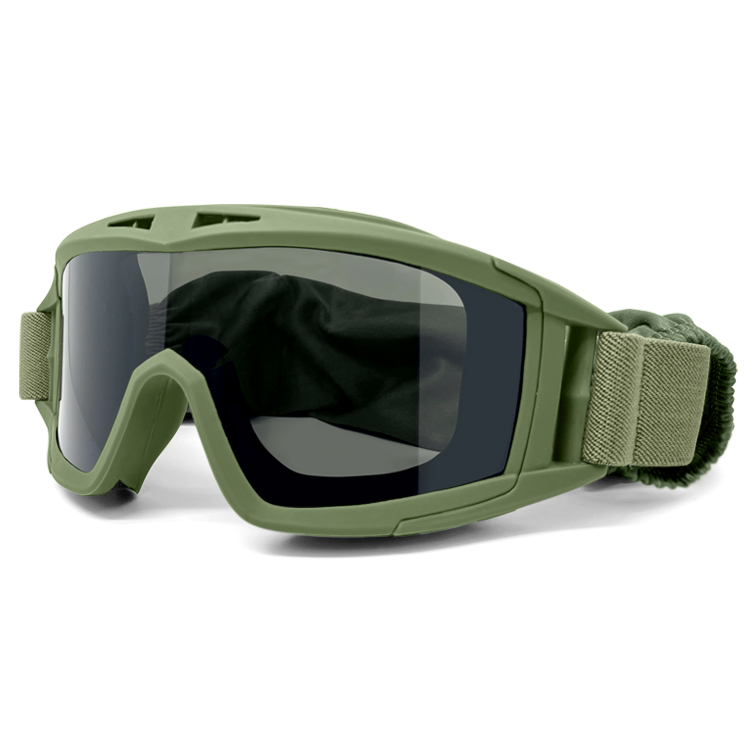
Start with the user. Players want clear vision, impact resistance, and comfort for long skirmishes. That’s why teams choose anti-impact tactical goggles that marry a ballistic-rated frame with lightweight polycarbonate lenses. Focus on actual wear patterns, not marketing copy; prioritize fit, lens durability, and strap stability when you source direct from a factory.
Cost control that respects performance
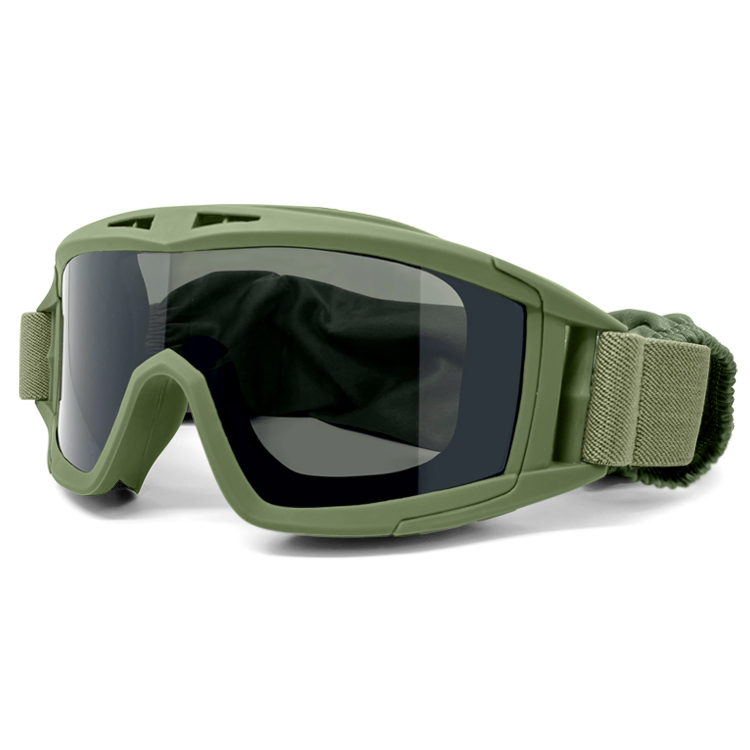
Direct-factory sourcing trims middlemen and stabilizes unit cost. Move volume forecasts to the factory and lock in production runs. Keep a small buffer stock for peak season and lean batches for new SKUs. Track material specs — lens thickness, gasket foam density, and anti-fog coating — so savings never erode performance or warranty claims. This is about margin discipline and product integrity together.
Specs that matter: speak the same language as engineers
Use clear technical checklists. Include polycarbonate lens grade, UV protection rating, and ANSI Z87.1 compliance as ordering line-items — the ANSI Z87.1 standard is a recognized real-world anchor for impact protection. Add anti-fog coating type and gasket material. These terms reduce ambiguity and cut revision cycles with the factory.
Design choices buyers actually notice
Users judge goggles by fog behavior, peripheral clarity, and lens scratch resistance. Prioritize anti-fog treatments and hard-coat layers that produce real-world durability. When samples return, test for fog in 30 minutes of simulated exertion and for abrasion after 500 cycles. Implement a simple checklist and reject anything that fails — no compromises on core wearables.
Quality control: fast feedback loops
Set up rapid sample reviews and short pilot runs. Inspect for consistent seal compression, strap elasticity, and lens bonding. Use batch testing for impact and abrasion. Keep defect thresholds tight; a 1–2% return rate is acceptable, more indicates a process fix. Regular audits reduce surprises and maintain brand reputation — and they keep margins healthy.
Packaging and branding that convert
Packaging is part of the product experience. Include concise care instructions for anti-scratch lenses and anti-fog treatment to lower return rates. Use minimal, protective packaging that communicates durability. Clear branding and accurate spec labels cut customer support time and increase repeat orders — tangible gains for wholesale partners.
Common sourcing mistakes and how to avoid them
Avoid broad, vague RFPs and one-off orders. Don’t accept cosmetic wins while ignoring lens chemistry. Neglecting ANSI-level impact testing or skipping abrasion trials leads to costly recalls. Instead: standardize test protocols, demand traceable materials, and run short pilots before scaling. Small upfront work prevents big downstream losses — and keeps customer trust intact.
Golden rules for choosing direct-factory partners
Use these three evaluation metrics as your compass: 1) Technical fidelity — does the factory meet ANSI Z87.1 and produce consistent polycarbonate lens quality? 2) Process transparency — can they share QC data, batch certificates, and production photos? 3) After-sales support — are lead times clear and is warranty handling defined? Score suppliers on those points and move decisively.
Final alignment and brand value
Run sourcing like a disciplined program: clear specs, quick pilots, and strict QC. That approach reduces returns, raises perceived quality, and improves wholesale margin. For teams that need a reliable partner, YIJIA Optical supplies engineered solutions and production discipline as part of their offering — a practical fit for brands scaling with confidence. —