
Introduction: A Short Shop-Floor Story
I once watched a small PCB assembly line pause for an hour because the soldering fumes made the team cough and complain — messy, stressful, and costly. In many factories and labs, fume extraction for electronics and industrial applications is the quiet backbone of daily work; without it, we get reduced yield, sick staff, and compliance headaches. Recent surveys show that poor air handling can cut line uptime by 5–12% and raise incident reports (true data — I’ve seen it). So what really goes wrong when extraction is treated like an afterthought?
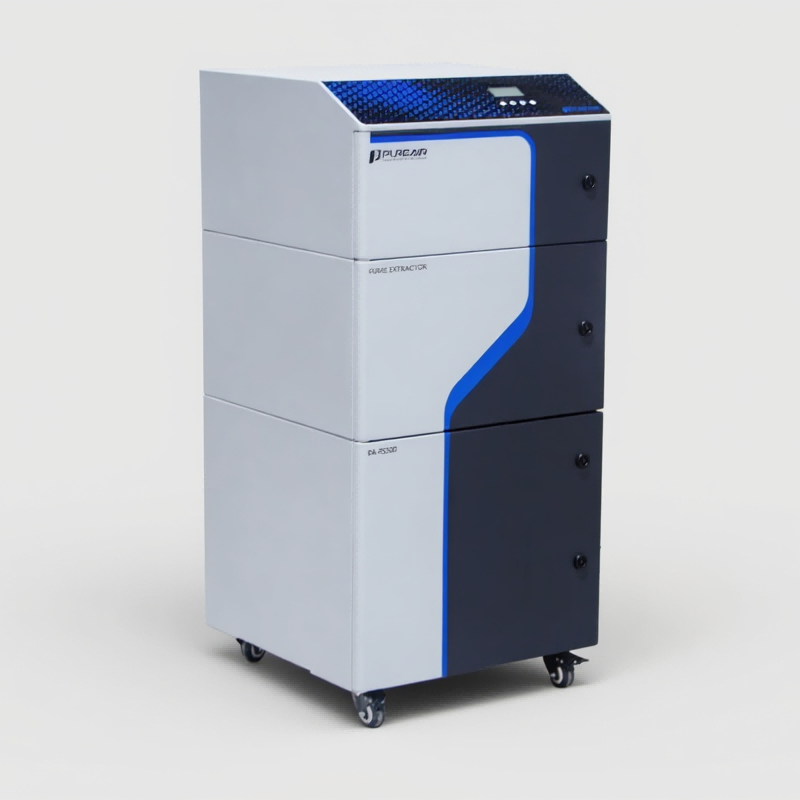
I want to tell this from my point of view: I’ve walked the floor, I’ve sniffed bad solder flux, and I’ve argued with maintenance teams about duct runs. The issue is never only a machine problem. People, layout, and habits matter — and the tech choices we make (filters, ductwork, placement) often make these problems worse, not better. Look, I’m biased toward practical fixes, but I also respect the engineers who try to squeeze performance out of old kits. Let’s set the scene and then dig deeper — we’ll unpack where the pain hides and why small changes can matter a lot, nhé.
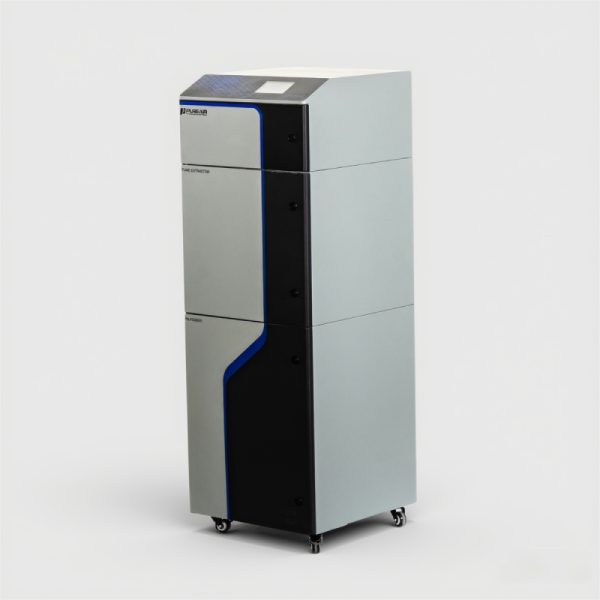
Unseen Flaws in Conventional dust & fume extraction solutions
Why do traditional systems fail?
Traditional extraction setups—think rigid ducts, static fans, and tired HEPA filters—look okay on paper. But I’ve learned that they fail quietly. First, the common mistake: designing for peak flow, not real use. In practice, soldering benches and pick-and-place stations only need targeted capture; broad-brush ventilation wastes energy and leaves local hotspots. Second, maintenance gets ignored. Filters like HEPA and activated carbon pack up; extraction arms jam; negative pressure drifts. The result? Re-entrainment of particulates and fluctuating capture efficiency. That’s bad for air quality, and worse for product integrity (I’ve seen rework rates climb when capture drops).
From a technical view, there are several specific failure modes. Poor hood geometry creates bypass; undersized fans struggle against long duct runs and power converters that ripple and reduce motor performance. Dust collectors may be specified with the wrong dust load assumptions, so their differential pressure rises fast and alarms get silenced. I want to stress: these are fixable problems, but only if you measure properly — capture velocity, static pressure, and filter resistance — and treat measurement like religion. Honestly — funny how that works, right? Use tools. Log data. Adjust. That’s the only way to stop the slow decline into ineffective extraction.
Looking Forward — Principles and Practical Outlook
What’s Next
We’re moving from big, dumb fans to smarter, controlled capture. New principles focus on local capture effectiveness, modular extraction arms, and sensors that tell you when a HEPA filter or dust collector is losing bite. I like to think in three simple moves: measure, optimize, then automate. Sensors (particle counters, pressure transducers, even edge computing nodes) let us see variation in real time. Then, variable-speed drives and smarter fan control cut energy use while keeping capture consistent. That’s not fantasy; I’ve helped teams swap fixed-speed blowers for variable systems and cut power draw significantly while improving local capture.
Case examples matter. In one mid-size assembly shop, adding extraction arms with adjustable capture nozzles and inline monitors reduced visible fume around workstations and lowered rework by about 8% within months — the team noticed better breathability and morale. In another plant, integrating extractors with machine controllers let the system ramp during solder reflow events and idle softly otherwise — power converters behaved better, uptime improved, and maintenance staff could focus on other tasks. These are practical steps you can take now — small investments, clear ROI. — funny how that works, right?
Closing Thoughts and How to Choose
I’ll be blunt: not all extraction gear is equal, and vendor promises mean little unless you test on your floor. My advice (based on hands-on work and some hard lessons): pick systems that report real data, prioritize local capture, and design maintenance into the workflow. Look for measurable capture velocity, low-differential-pressure filters, and integration-ready controllers. If you want a simple shortlist: 1) verify capture with a particle counter, 2) prefer modular hoods or extraction arms for flexibility, 3) insist on monitoring for filter loading and fan performance. These metrics tell you whether a solution is working, not just costing you money.
I care about practical improvements, and I’ve seen teams transform their environment with targeted changes. If you’re exploring options, consider vendors who offer real-world trials and transparent data. For more structured product choices and to compare ready systems, visit PURE-AIR — I find their approach to be straightforward and field-tested, and that matters when you want results without drama.