
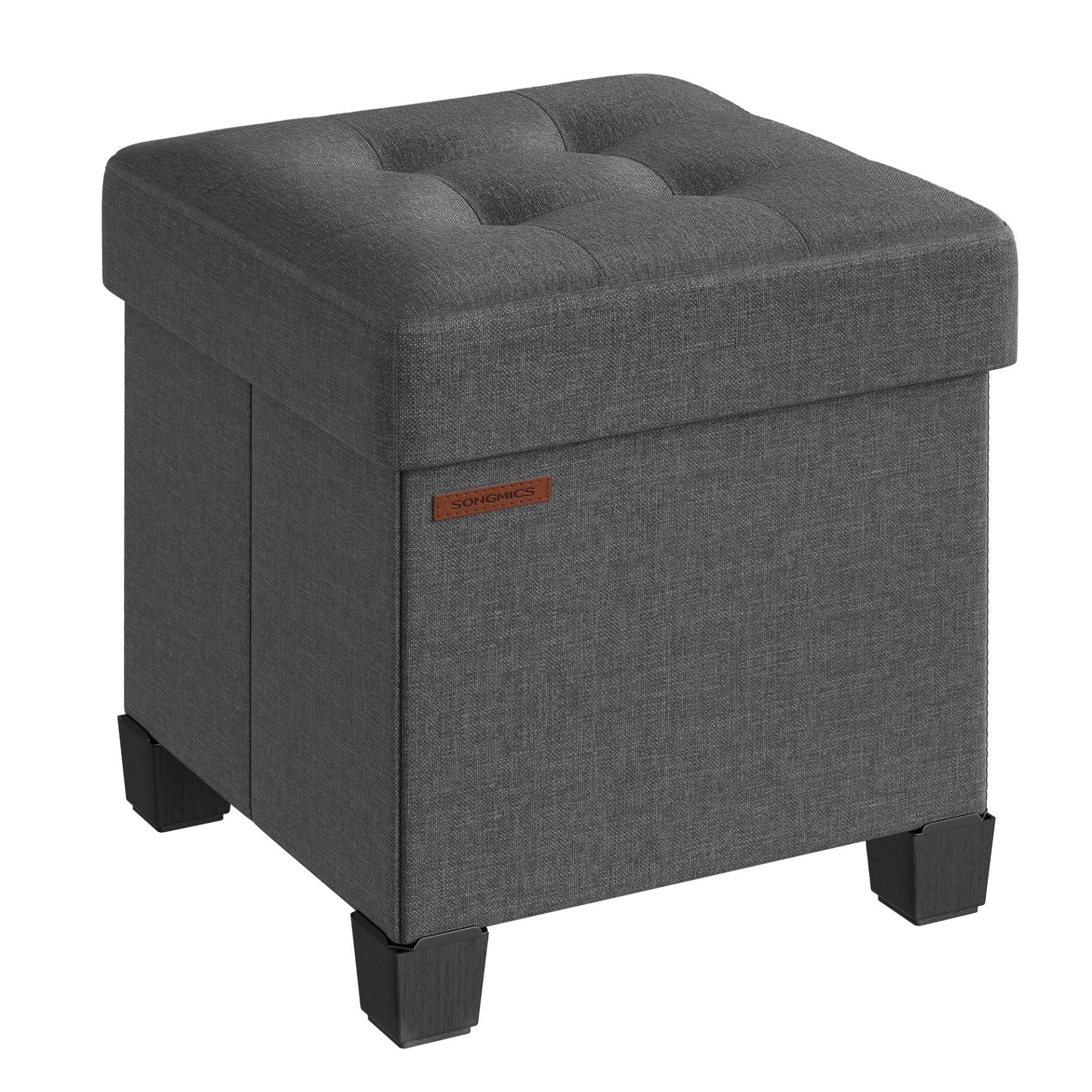
Living Room Scenario, Real Numbers, and a Buyer’s Question
You slide a tray onto a cozy ottoman after a long day, and the lid thumps shut a bit too hard. In that blink, comfort meets design limits. An ottoman manufacturer sits behind this moment, shaping materials, hinges, and finish in ways most people never see. Retail trackers say that multi-use furniture now nudges repeat purchase rates by double digits in urban markets—small pieces with big roles. So here is the question: if one cube holds shoes, games, and a laptop, what makes it safe, quiet, and long-lasting in daily use?
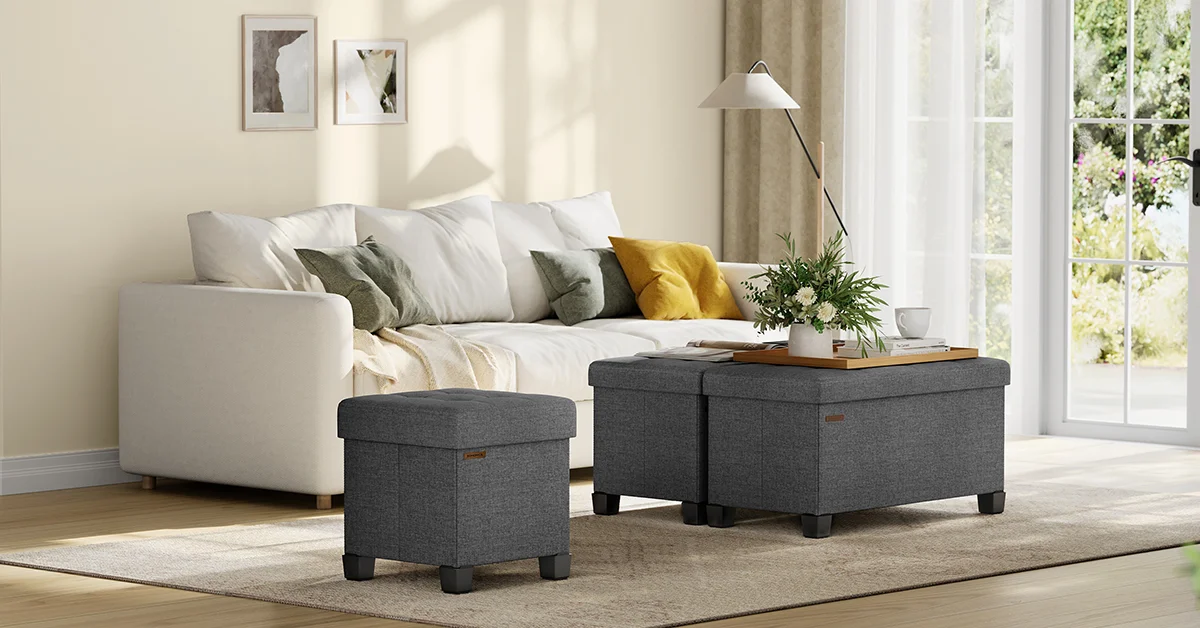
We can read labels and compare patterns, yet the better signals live in how frames bear load, how upholstery handles abrasion, and how foam density ages with time. QC sampling, cycle testing, and packaging drop tests reduce surprises—but only when chosen with care. And there are trade-offs: a softer lid can hide weak hinge torque; a sleek profile may cut useful volume. The story travels from workshop to warehouse, then to living rooms like yours—funny how that works, right? Let’s step under the lid and study what matters next.
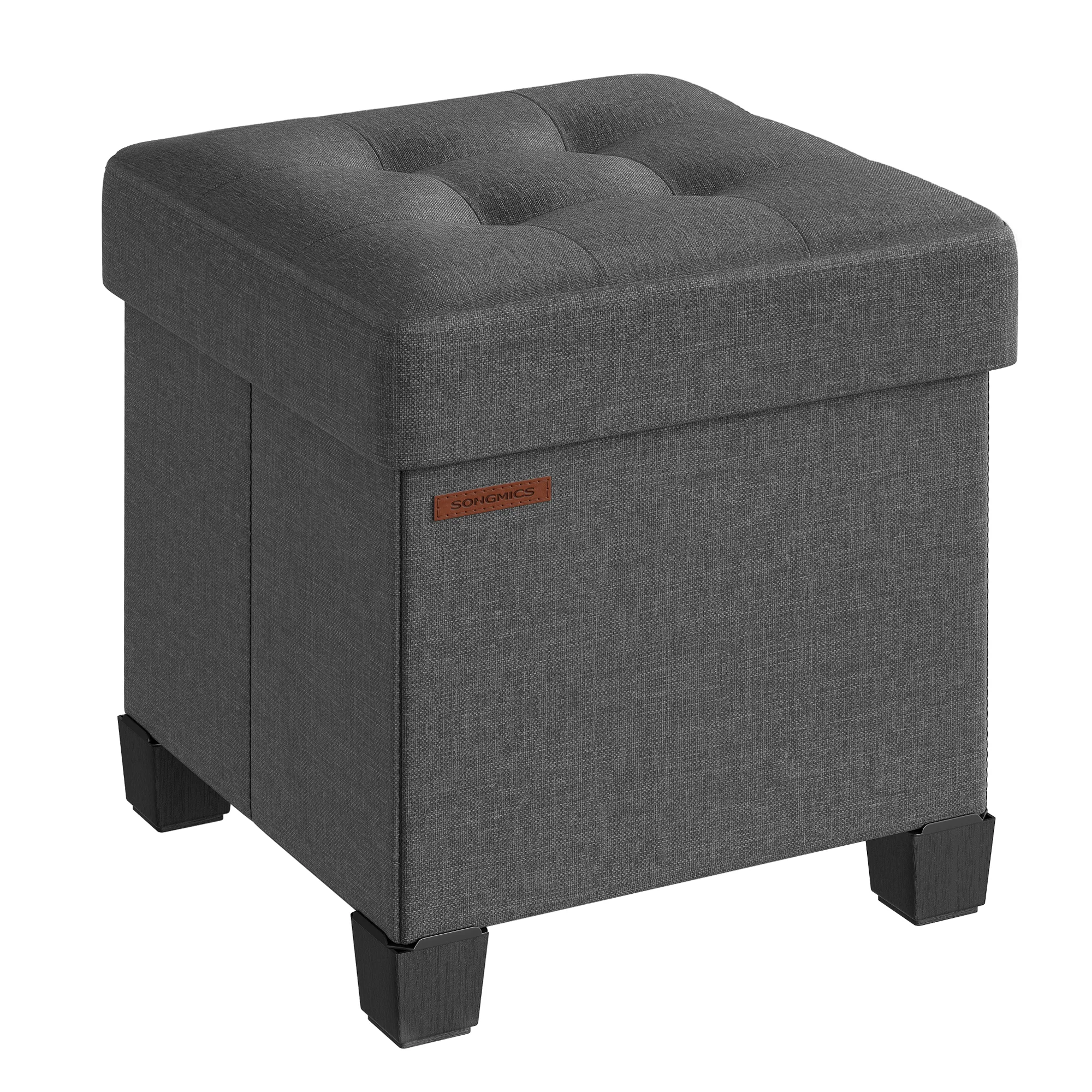
The Deeper Layer: Hidden User Pain Points in Storage Ottomans
Where do users get stuck?
When buyers compare storage ottoman manufacturers, they focus on fabric swatches and price. The hidden friction sits elsewhere. Lids slam because hinge torque does not match lid mass. Corners pill because upholstery rub counts (Martindale cycles) are too low for busy homes. Moisture rises from floors, and E1 MDF panels can warp without proper sealing. Internal dividers flex because the load-bearing frame was optimized for cost, not for repeated sitting. Look, it’s simpler than you think: durability comes from small choices—foam density, fastener spec, and the way staples meet grain direction.
Users also hit safety snags. A gas-lift hinge with poor damping can pinch fingers. Storage depth feels generous until you add blankets; then retrieval becomes a strain because the opening angle is tight. Vent ports (to prevent musty air) are missing, which traps odor. QC sampling plans sometimes skip edge cases, so a batch passes, yet fails in homes with high humidity. Even packaging plays a role: weak corner blocks lead to micro-cracks before the box is opened. These are not exotic problems—just quiet ones—and they add up over months.
Comparative Outlook: New Principles for Fewer Compromises
What’s Next
Now, compare yesterday’s fixes with today’s principles. Modular steel inserts inside kiln-dried hardwood frames improve torsional rigidity without bulk. Soft-close, friction-hinge arrays tune opening force by lid mass, reducing pinch points and noise. CNC-routed panels boost repeatable joinery; fewer errors mean cleaner lines and better load spread. VOC-light adhesives and REACH-compliant finishes protect air quality, while breathable liners cut odor buildup. In procurement, SKU rationalization reduces variance, so QC benchmarking actually sticks—oddly enough, fewer options can raise quality. If you shop ottoman wholesale, watch how these principles show up in spec sheets and real samples (not just renderings).
Data is helping too. Simple strain mapping during cycle testing predicts weak points at lid corners. Digital templates guide staple placement, improving pull-out strength and upholstery tension. Hinges tested to a defined cycle count—say 10,000 lifts—align better with consumer use. Meanwhile, smarter packaging uses EPE edge guards and drop-test profiles, so products arrive true-to-form. Summing up: match hinge torque to lid weight; prefer frames with cross-bracing; and ensure fabric abrasion ratings meet your use case. The net effect is fewer returns, quieter rooms, and longer service life—small wins that echo through the whole chain.
Advisory close. Three metrics to guide selection: 1) Cycle testing and abrasion ratings (hinge count, soft-close spec, Martindale rubs); 2) Frame integrity data (cross-brace design, fastener pull-out values, foam density); 3) Packaging and compliance proofs (drop-test results, REACH/CA TB117-2013, moisture barrier details). Keep the questions simple, keep the evidence clear—and let the living room tell you if it works. For further reading and vendor comparisons, see SONGMICS HOME B2B.