
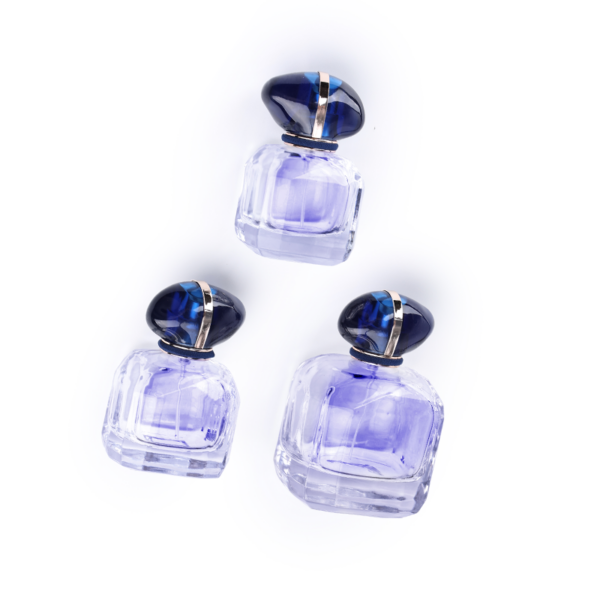
When Design Meets Daily Use
A client once told me their best sellers looked perfect on launch day, then leaked by week three. The round perfume bottle was lovely, heavy in hand, and photogenic—until the cap torque slipped and the atomizer clogged. In retail audits, teams often find that a third of returns trace back to packaging faults, not fragrance. So here’s the question: are we comparing bottles by finish alone, or by the way they hold up in real life (travel, heat, and daily squeeze)? As a teacher at heart, I’ll guide you through what to check and why it matters. We’ll keep it plain and useful, with a few precise terms like crimp finish and drop test to anchor our thinking. Good news: small choices change outcomes fast. Better news: you can evaluate those choices without a lab. Let’s move from “looks right” to “works right”—and see how the next section breaks down the hidden gaps.
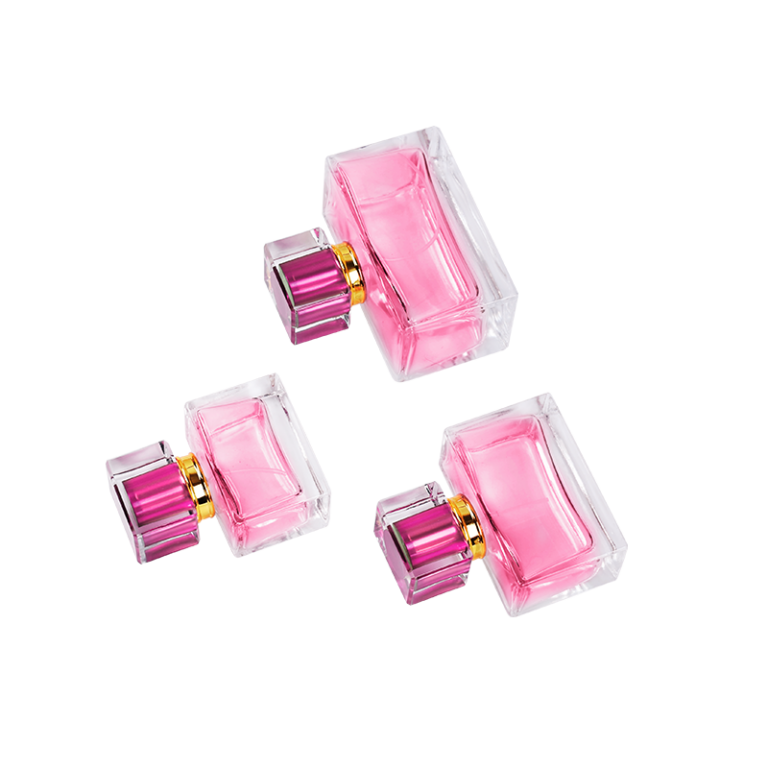
Inside the Factory: Fixing Pain Points Before They Ship
Where do traditional methods fall short?
A capable round perfume bottle manufacturer does more than mold glass. The real work is preventing slow leaks, atomizer misfires, and label scuffing before boxes ever leave the dock. Traditional fixes often chase symptoms: a tighter cap here, a thicker gasket there. But root causes hide upstream—uneven neck finishes, a poor annealing lehr curve, or soft coatings that abrade in transit. Look, it’s simpler than you think: match tolerances, control heat history, then validate with torque and vacuum tests. Skip those, and the same tiny gap reappears in every lot, just dressed in new colors. That’s why you see “identical” bottles behave differently batch to batch.
Let’s get technical for a moment. If the crimp finish is out of spec by even 0.1 mm, atomizer crimping can deform the pump ferrule, causing micro-leak paths. If screen printing is over-cured, ink can crack under cap pressure cycles. If the cullet ratio in the melt isn’t stable, wall distribution varies, and so does impact resistance during a drop test. And then logistics add stress—funny how that works, right? A manufacturer who tracks these nodes like control charts, SPC sampling, and cap torque windows doesn’t just “fix” leaks; they prevent them. That’s the difference between a pretty prototype and a quiet, low-complaint product line.
Beyond Today: Cleaner Processes, Smarter Specs
What’s Next
Now let’s look forward. The shift is from patching to predicting—using new technology principles that keep the circle true from furnace to shelf. A strong partner, like a seasoned china round perfume bottle supplier, is moving toward inline vision AI for neck-roundness and finish-height checks, not just random pulls. Cameras map 360° profiles in milliseconds. Data ties back to mold ID, so a worn insert is flagged before it ruins a run. On coatings, low-VOC spray systems and UV-curing balance abrasion resistance with sustainability. In closure systems, pump fit is validated with vacuum decay, not guesswork. And the annealing lehr? Thermal curves are tuned by feedback sensors, reducing residual stress and improving impact survival by noticeable percentages.
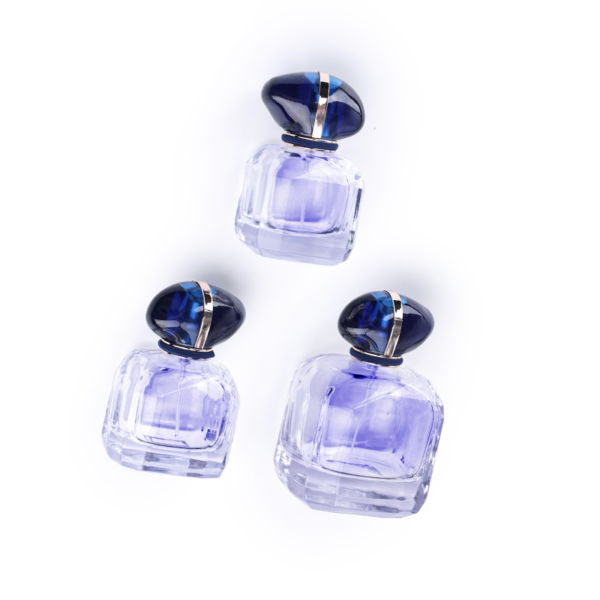
What does this mean for you? It means fewer unknowns and clearer comparisons. Instead of “does it look premium,” you can ask “does it keep pressure under heat” and “does the atomizer deliver a consistent plume.” To close, here are three simple metrics that make buying decisions measurable—and calm: 1) Neck and crimp-finish tolerance map: maximum deviation across a production lot, not just a single sample. 2) Functional reliability score: leak rate and spray consistency after thermal cycling and vibration. 3) Surface durability index: abrasion rating post-transit with labeling or hot-stamp intact. Keep these in your spec, and you shift leverage back to performance—where it belongs. When the bottle you choose stands up to travel, heat, and time, your fragrance story lands every day. That’s the quiet win you feel in lower returns and steadier reviews—small details, big calm. Learn more with NAVI Packaging.