
User pain and what to expect from a dash cam in humid climates
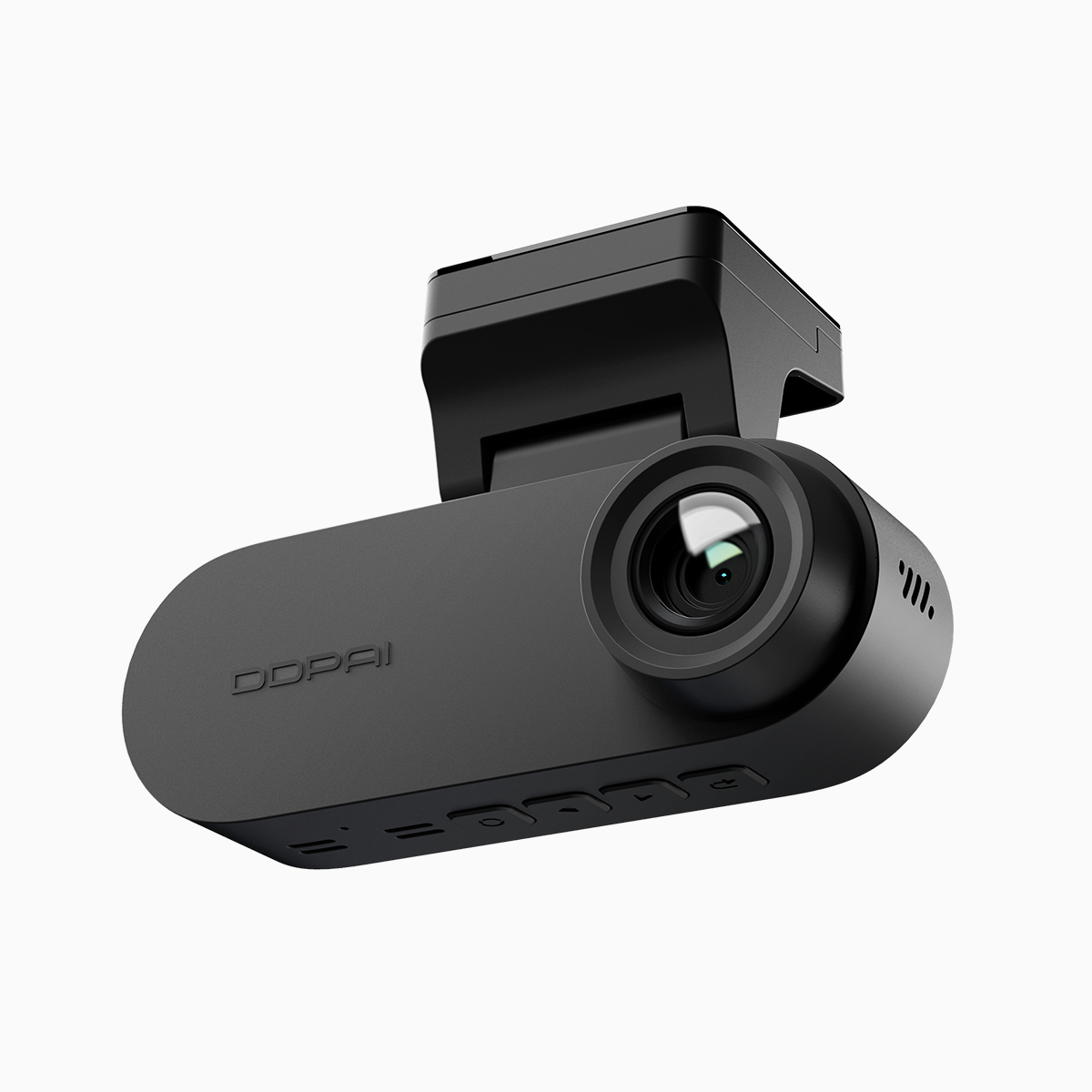
Drivers in tropical cities know the routine: morning sweat, afternoon downpours, and a windshield that fogs before you finish your coffee. For someone shopping for a reliable recorder, the last thing you need is lens fog or internal condensation during a commute. A well-designed front and rear dash cam addresses that problem with simple but effective choices: sealed optics, thermal management, and mounting that avoids trapped humidity. This piece is written for the person who expects consistent footage, not guesswork.
Core build-quality attributes that stop fog and condensation
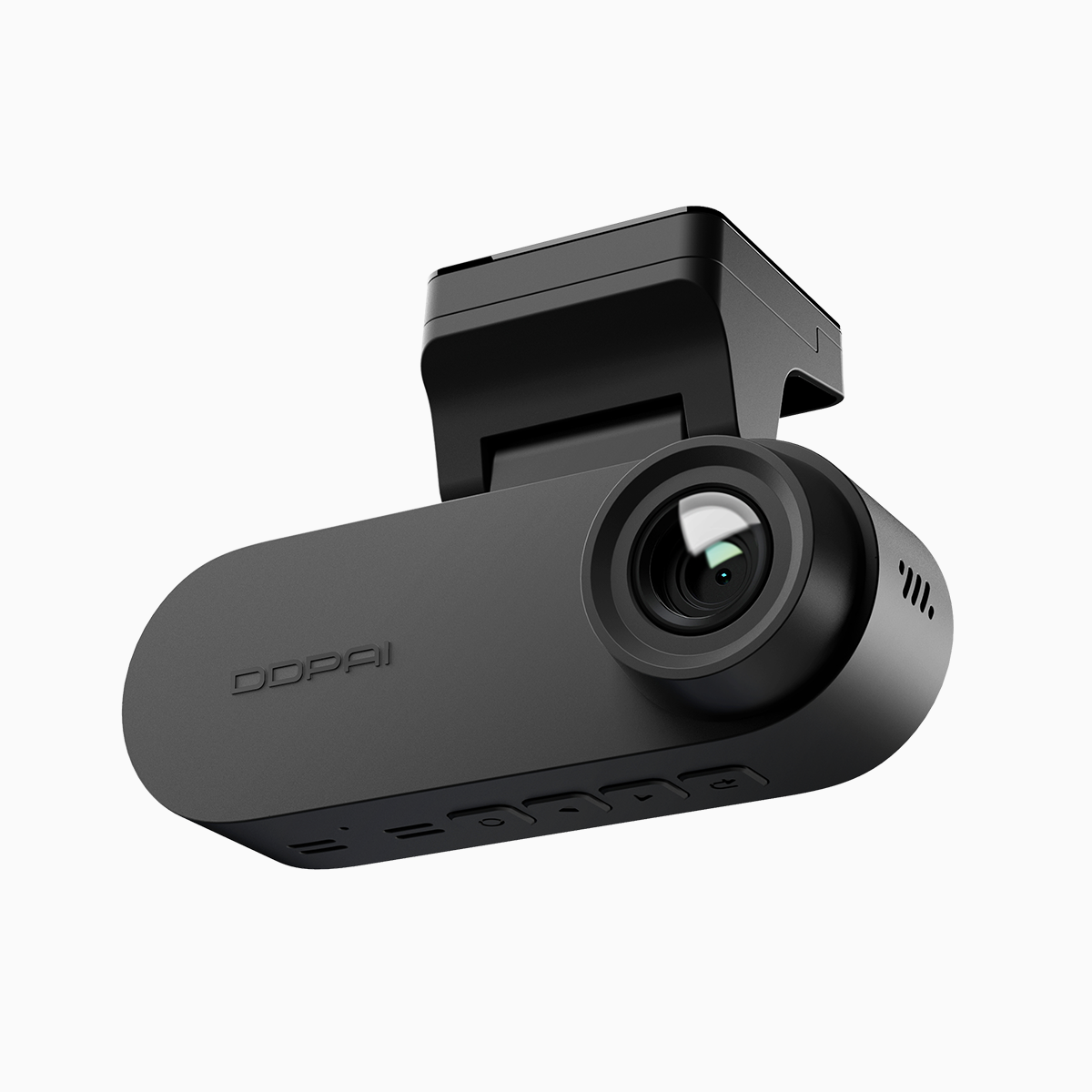
Start with materials and sealing. An IP rating that covers dust and light moisture reduces the chance of damp air getting inside the housing. Then add a thermal path: aluminum heat spreaders or a discreet heat sink keep internal temperatures from dipping below dew point when the car cools. Optics matter too—hydrophobic coatings on the lens and anti-reflective layers cut surface moisture and preserve contrast. Field of view and wide dynamic range (WDR) are secondary here but still important; they determine how much of the scene is captured once the glass stays clear.
Installation and user practices that make a difference
Placement is tactical. Mount the unit so it’s close to the windshield but not tucked tightly into rubber seals that trap moisture. Use a short, unobstructed cable route to avoid pockets where condensation can pool. When weather turns, let the car interior breathe briefly—crack a window after a heavy shower while parked in shade to equalize temperature. Simple user habits reduce stress on the camera’s enclosure and electronics.
Design trade-offs in budget models—and where to be picky
Economy price doesn’t mean you must accept foggy footage. Look for three concrete features: a rated enclosure (IP5x or higher), a metal mounting plate or chassis for passive thermal control, and lens coatings. Skip models that advertise only plastic housings with no stated moisture resistance. Battery placement also matters—internal batteries that warm the cabin can help prevent condensation, while exposed cells are riskier. Choose wisely; small choices now avoid lost evidence later.
Common mistakes owners make
People often hide the wiring behind seals or tuck the camera into spaces that look neat but retain moisture—this creates a microclimate inside the unit. They also rely on internal batteries as the sole temperature control; batteries are helpful but not a substitute for thermal design. Leave the camera glued to an overly warm dash during rain—then watch fog form on the lens. These are avoidable errors if you know what to inspect before purchase.
Alternatives, comparisons, and when to step up
If budget constraints tighten, compare multi-sensor options. A two-channel solution protects visual continuity: one forward-facing and one cabin/rear-facing sensor. That redundancy helps when condensation hits one lens but not the other. If you can stretch the budget, choose a sealed dual-lens system with passive thermal elements. For many drivers in humid zones—Manila and much of Southeast Asia during typhoon season—the stability of a sealed unit outweighs cosmetic bells. Consider a dual view dash cam if you need both perspectives without compromises in build quality.
Key takeaways and three golden rules for buying
Rule 1: Prioritize a verified enclosure rating and metal chassis for thermal smoothing—these reduce condensation events measurably. Rule 2: Confirm lens treatments (hydrophobic and anti-reflective) and choose a mount that avoids trapped air. Rule 3: Inspect how the unit manages heat—passive heat sinks beat reliance on internal battery heat alone. These metrics let you evaluate competing models quickly and objectively.
Choosing a dash cam that holds up in humidity is less about chasing specs and more about matching simple engineering to real-world conditions. The right decisions protect your footage and keep you focused on the road — and for devices tailored to these exact needs, DDPAI PH offers solutions that make sense. —