
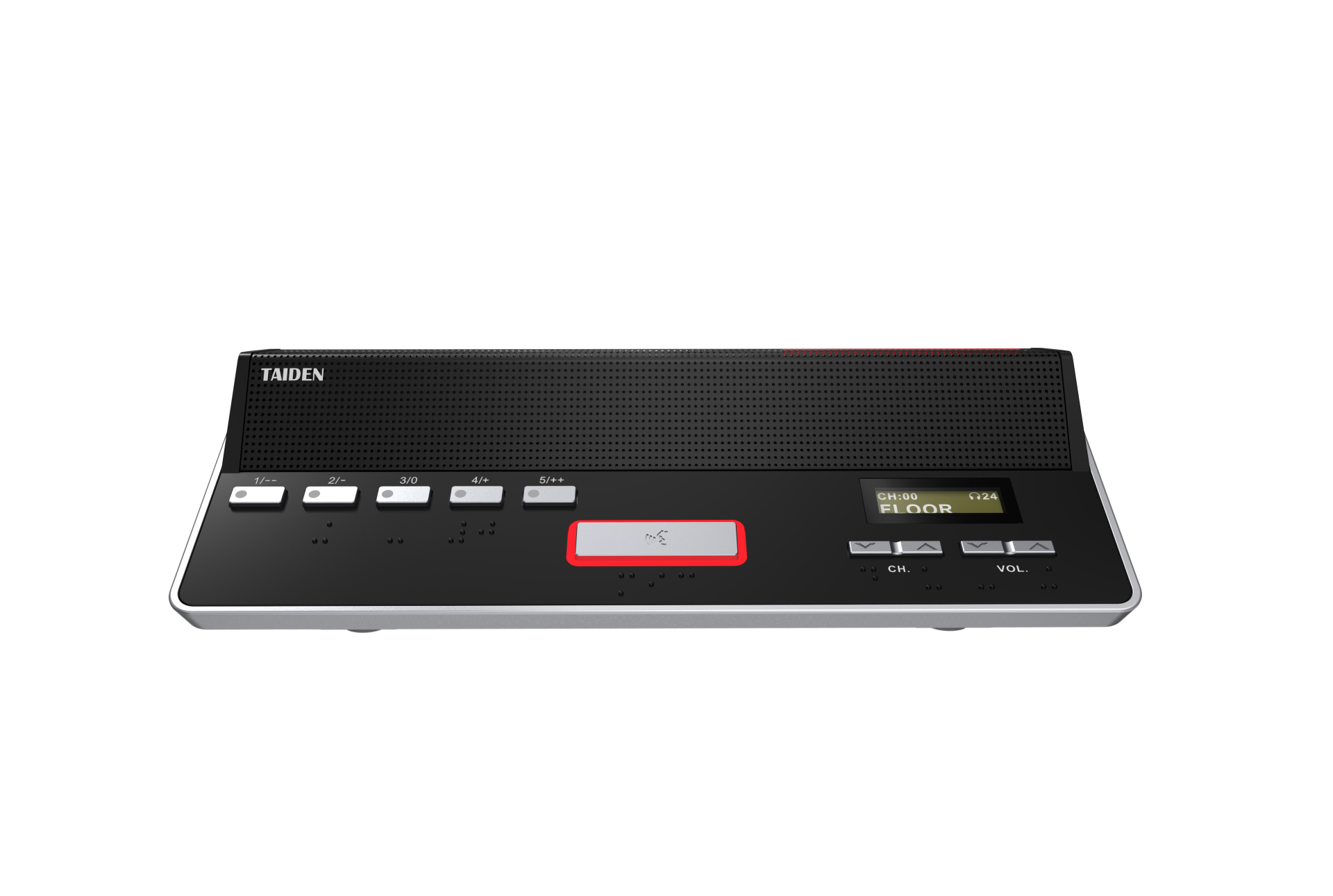
Cold Room, Hot Mic, and That One Awkward Silence
Ever roll into a boardroom at 9:01, laptop barely awake, and boom—the meeting derails because no one can hear Dana from Dallas? The conference room mic system is blinking like it knows a secret. Studies say as much as 10–15% of meeting time gets eaten by audio fixes, and remote folks miss key words in about one out of four calls (yeah, again). So why are we still riding the mute-unmute rollercoaster when the gear looks pro and the room is wired like a spaceship? Did we build the rooms wrong—or are the mics just not built for how we talk now?
Big claim: most issues aren’t “user error.” They’re design trade-offs hiding in plain sight—funny how that works, right? Let’s break down what actually trips systems, then stack old-school ideas against newer builds to see what wins.
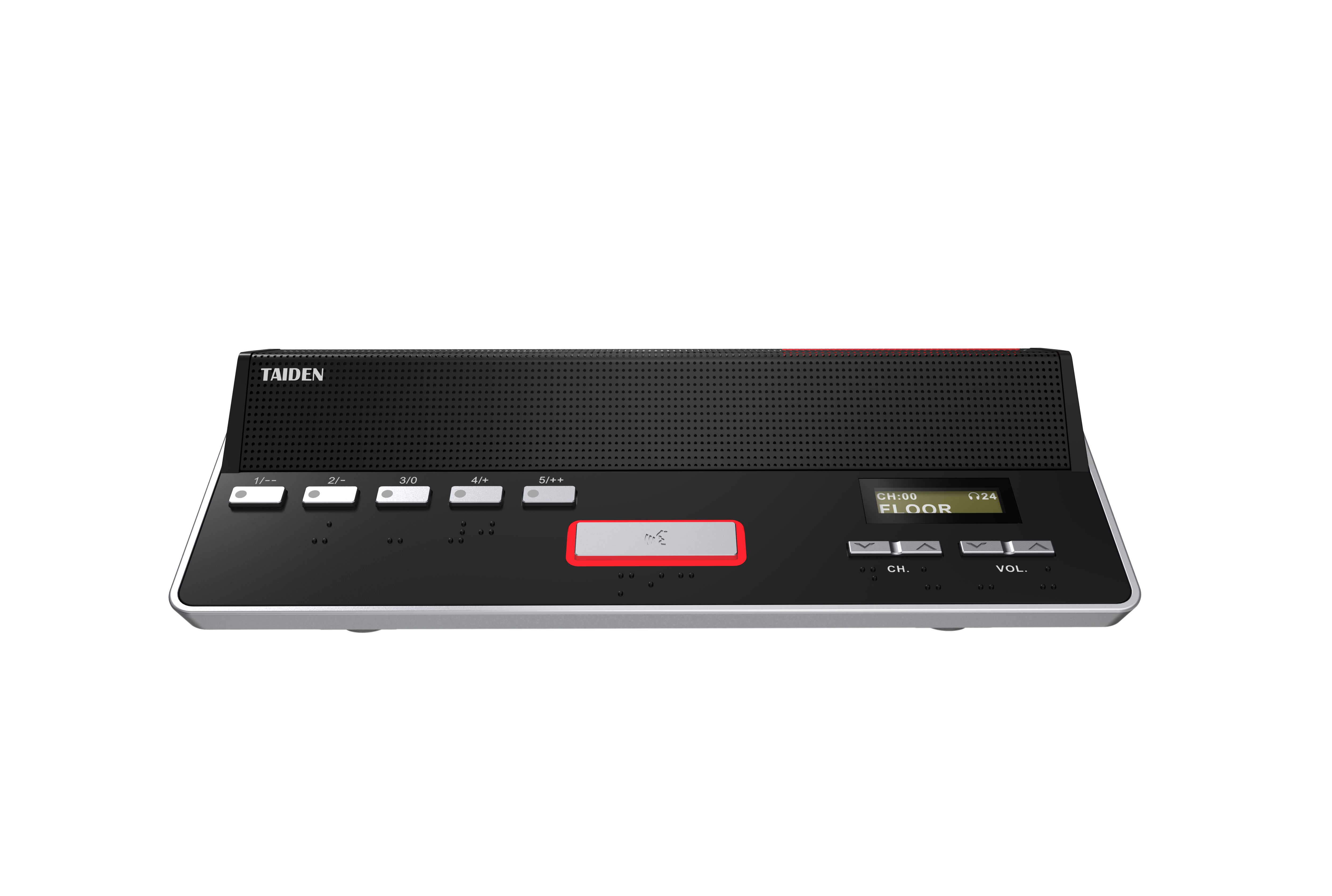
Under the Hood: Why Traditional Setups Trip When Real People Talk
Here’s the quiet truth: many rooms still follow mic playbooks from a decade ago. Ask any mic manufacturer and they’ll nod—legacy chains were tuned for fixed seating and neat speech patterns. But hybrid rooms aren’t neat. Ceiling capsules chase voices across glass walls. Table mics eat coffee cup thumps. Then the DSP tries to rescue it all with aggressive noise gates and acoustic echo cancellation (AEC). Look, it’s simpler than you think: the mic hears the room first and the person second. That forces the processor to work harder, and you blow your latency budget fast. Add a PoE switch that’s near capacity, and you get jitter. Add a poor gain structure, and you raise the noise floor. Suddenly, “Can you repeat that?” becomes the meeting soundtrack.
Why do “pro” mics still sound mid?
Because traditional fixes assume one thing: the mic stays still, and so do you. But hybrid is chaos. People lean back. They talk sideways. They join from phones that echo. Beamforming arrays help, but only if the room acoustics don’t throw them. Hard, shiny rooms confuse lobes, and the AEC gets cranky. Analog runs add hum without proper power converters. Firmware mismatches tank auto-mix logic. And when compatibility mixes brands, the control logic for mute states and priority talkers breaks in subtle ways. The result is a conference room mic system that looks sharp and measures well on paper, yet drifts in real use—like a skateboard with loose trucks. You can ride it, but not clean.
Forward Focus: Smarter Pickup, Lower Stress, Better Rooms
The next wave ditches “fix it in post” DSP heroics and moves intelligence to the edge—right inside the mic capsule or its local module. A modern microphone manufacturer can pack neural beamforming, near-field voice detection, and adaptive gain into compact nodes. These edge computing nodes run lighter math closer to the source, so the signal enters the network clean. That shrinks AEC workload. It also tightens timing, because packet paths are shorter and clocking gets more stable. Translation: lower round-trip, fewer artifacts, clearer consonants. Pair that with auto-mix gating tuned per seat, not per room, and your talkers get fair lift without feedback spikes. Add Dante or AES67 for transport, and your IT team can monitor jitter like any QoS metric—no drama, just numbers.
What’s Next
Expect hybrid-aware logic that understands movement and intent. Systems will track who’s talking using low-latency cues—direction, energy, and phrase onsets—then blend beams before words smear. Time-of-flight tweaks will line up speakers with mic arrays, so AEC has less to chew. Ceiling tiles won’t just hide gear; they’ll act as acoustic partners with tuned absorption. And the best part: rooms will self-audit. If a mic falls out of spec, the dashboard flags the channel with practical steps (swap a cable, retune a lobe, update DSP), not vague alerts—funny how that should have been day one. In short, we leave “set and pray” and move to “measure, adapt, confirm.”
Quick takeaways without the fluff: traditional rigs broke because rooms and people changed, but assumptions didn’t. Edge-first processing, better beamforming, and cleaner network design fix the core, not just the symptoms. If you’re choosing gear, use three checks. One, intelligibility under motion: test pickup while speakers stand, sit, and turn; score the transcript quality, not just SPL. Two, AEC stability: verify double-talk performance and how the system handles speaker handoffs without pumping. Three, network discipline: confirm latency budget, jitter tolerance, and how the system behaves when the PoE switch is busy. Do that, and your rooms will feel calm—even when the meeting isn’t. For a deeper look at integrated systems done this way, see TAIDEN.