
Opening—why we must unlearn before we buy
Let us, with the utmost courtesy, dismantle a few comforting falsehoods about sourcing synthetic aroma chemicals. Importers routinely treat compliance as a checkbox rather than a supply risk mitigator; meanwhile, regulators such as the EU’s REACH framework and the post‑2020 logistics upheavals have taught the opposite lesson quite bluntly. This is not a sermon — merely a practical reorientation for buyers who prefer predictable fills and fewer surprise odor thresholds at scale.
Myths vs. reality: short, pointed corrections
Below are common myths that circulate in procurement meetings, followed by crisp realities you can act on:
- Myth: All synthetic aroma chemical grades are interchangeable. Reality: Purity, impurity profile and solvent recovery histories vary by supplier and affect downstream perfumery and stability.
- Myth: Lower unit price equals better sourcing. Reality: Total cost of ownership includes tooling, regulatory dossiers, freight and rework — the cheapest quote often masks higher lifecycle costs.
- Myth: A COA (Certificate of Analysis) is sufficient evidence of compliance. Reality: COAs are a starting point; independent batch testing (GC‑MS spot checks) and supply‑chain traceability matter just as much.
Practical implications for procurement teams
When you request samples and specifications, ask for the following: batch COA with impurity profile, stability data under expected formulation conditions, and a summary of any downstream use restrictions under major jurisdictions (EU, US, China). Industry terms you might encounter include terpineol, ester profiles and GC‑MS reports — treat them as useful shorthand, not mystical incantations.
How to vet an aroma supplier — a concise checklist
Consider this checklist your polite but penetrating questionnaire during supplier onboarding:
- Regulatory dossier completeness (REACH, TSCA where applicable).
- Analytical methods and traceability: request GC‑MS chromatograms, LOD/LOQ info, and impurity identification.
- Quality systems: ISO certification, batch release criteria, and recall procedures.
- Logistics resilience: alternate sourcing sites, stock policy, and lead‑time history during stress events.
- Environmental and safety data: solvent recovery practices and VOC control measures.
Common mistakes — and the polite way to prevent them
Many importers assume that a single factory audit or a nicely formatted COA equals long‑term safety — an assumption that has cost teams inventory, time, and credibility. The simple remedy: combine document review with periodic independent testing and contractual QA gates. — Also, never let form fill outcompete function: sample tests must run on the actual formulation and fill‑line to catch compatibility issues early.
Comparative note: boutique vendors vs. large manufacturers
Boutique producers may supply unique olfactive nuances useful to niche brands, while large manufacturers offer consistent batch supply and regulatory heft. Choose based on your release cadence and tolerance for variability. If you need rapid scale with documented compliance, prioritize manufacturers that publish robust technical dossiers. If the scent is the proposition, accept longer development and tighter sampling regimes.
Real‑world anchor
As a practical anchor: the EU’s REACH updates and the pandemic supply disruptions are not hypothetical case studies — they changed lead times and regulatory expectations for thousands of buyers globally. Companies that updated their vendor contracts and analytical sampling policies in 2020–2022 generally experienced fewer production holds thereafter.
What procurement teams ask next — and what to answer
Questions often center on traceability, impurity risks, and cost volatility. A sensible answer combines three elements: insist on periodic independent GC‑MS verification, require transparent impurity profiling for target molecules, and build freight contingency into unit economics. These measures reduce surprises at scale and keep marketing teams happily on schedule.
Advisory — three golden rules for evaluating suppliers
1) Prioritize transparency over platitudes: demand full batch analytical data and clarity on solvent recovery and impurity handling. 2) Measure resilience, not just capacity: evaluate historical lead‑time adherence and documented contingency plans during disruptions. 3) Use total cost accounting: include compliance, testing, potential rework, and freight risk in any per‑kilogram comparison.
Apply these rules and you will spot upstream weaknesses before they become downstream crises. This is where an experienced aroma chemicals company with documented dossiers and testing capacity truly adds value — quietly, reliably, and without theatrical claims.
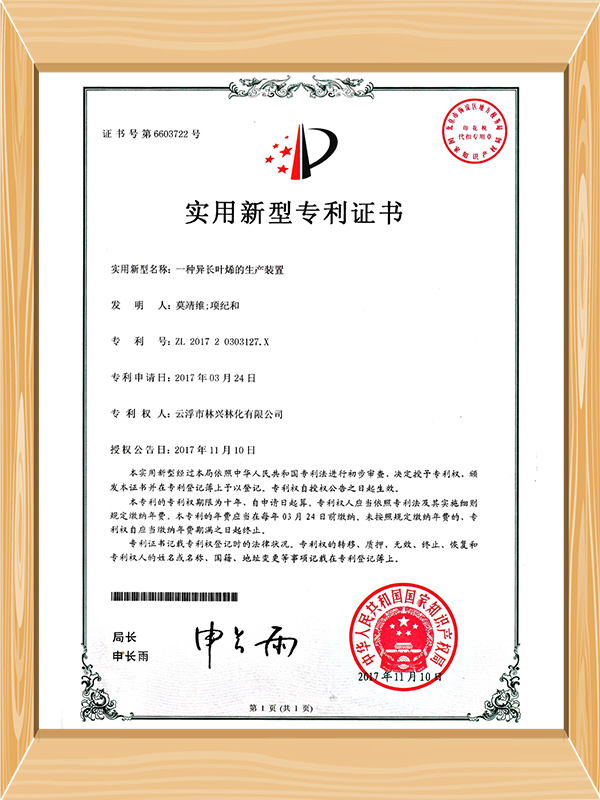
Linxingpinechem has practical depth in both compliance documentation and supply resilience — a calming thing when your launch calendar is unforgiving. —