

Introduction
A bottle is not just a container; it is a controlled fluid system with failure modes and tight tolerances. The round perfume bottle sits at the center of that system. Picture a fast filling line at 80 bottles per minute, a pump crimped at 0.9 N·m torque, and a neck finish that varies by 0.15 mm. That tiny shift can change spray pattern, cause micro-leaks, and lift return rates by several points. In one audit, ovalization of the neck increased pump friction by 18%—and users felt it as a sticky press. So the question is simple: why does a smooth, round shape still create rough edges in use (and in data)? We’ll unpack the physics and the trade-offs, then compare what actually makes a bottle “feel premium” in the hand and in the lab. Let’s move from surface to system.
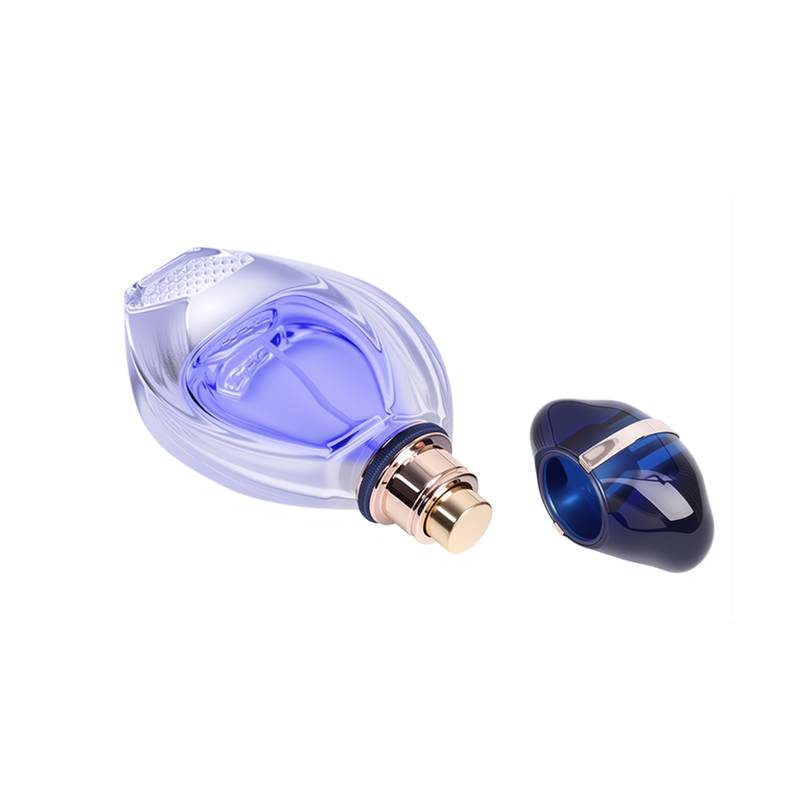
Hidden Friction in a Smooth Shape
Where do the misfits happen?
The quiet pain points sit between glass, pump, and cap—interfaces, not headlines. A capable round perfume bottle manufacturer knows the mismatch often starts with the neck. If a GPI 15/415 thread or crimp land is out by even 0.1 mm, the ferrule can skew under load. That skews the dip tube, and the atomizer cone goes off-center. Users call it “spit.” Engineers call it a disturbed spray plume. Look, it’s simpler than you think: wall-thickness eccentricity drives stress during crimping, which then drives seal failure. The annealing lehr can stabilize residual stress, but only if delta T across the body is controlled. When it is not, tiny fractures show after transport shock—funny how that works, right?
Traditional fixes focus on cosmetics first: heavier glass, deeper punts, richer coating. They hide scuffs but not root causes. The result is a bottle that looks sharp yet performs mid-tier. Check the telltales: cap wobble from loose torque spec, pump rebound due to high spring rate, or an orifice plate that yields variable droplet size. Even the “click” feel is a data point; you can trace it to thread lead accuracy and liner compression set. Without robust AQL at 0.65 and SPC on neck roundness, the line compensates with more force or more rejects. That means cost without clarity. The round form is not the issue; the interface stack-up is. Solve stack-up and the shape works for you, not against you.
From Tolerance to Intelligence: What’s Next for Round Bottles
What’s Next
The next wave is comparative and digital. New lines use machine vision, laser profilometry, and inline torque sensors to link form to function—per bottle, not by batch. A practical example: in tests on a 30ml round perfume bottle, closed-loop crimp heads adjusted in 0.02 N·m steps based on live neck ovalization data. Result: a cleaner spray plume and 40% fewer pump resets. Think of it as feed-forward control. The atomizer, the gasket, and the neck finish are tuned as a system, not a chain of parts. You get fewer micro-leaks, more consistent droplet size, and better top-load strength. And yes, material choices are shifting too—PCTG collars, UV-cured coatings, and tighter mold tolerance on the heel reduce stress risers during handling.

Here’s how to compare solutions, without hype. First, new technology principles replace guesswork: SPC charts tied to cap torque, neck roundness, and crimp roll-down height—three signals, one outcome. Second, simulation enters the room. A simple digital twin predicts how a 0.1 mm neck shift changes spray cone angle and consumer “press feel.” Third, data goes upstream. When defects spike, a lot-trace links back to mold cavity and annealing zone. That’s action, not blame. If you need a decision shortcut, use three evaluation metrics: 1) interface fit, measured as concentricity plus thread lead accuracy; 2) atomizer performance, measured by droplet size distribution and plume symmetry; 3) durability, measured by top-load and thermal shock after transport. Compare vendors with those numbers and the choice becomes clean—no guesswork. The shape stays round; the process gets smarter. That’s the quiet win you can feel in the first spray, and in the last bottle off the pallet. For a grounded benchmark and documentation clarity, see NAVI Packaging.