
Introduction: A Quiet Morning on the Line
I remember standing by a slow-moving production line one winter morning, hands deep in a coffee cup and a notebook, watching operators frown at a jam. The lid applicator machine sat there like a patient old horse, reliable but stubborn. You can count uptime in shifts and lost hours in dollars — industry surveys show small downtime issues can shave 5–10% off throughput in a year. So what do we do when the tool meant to speed things up becomes the bottleneck?
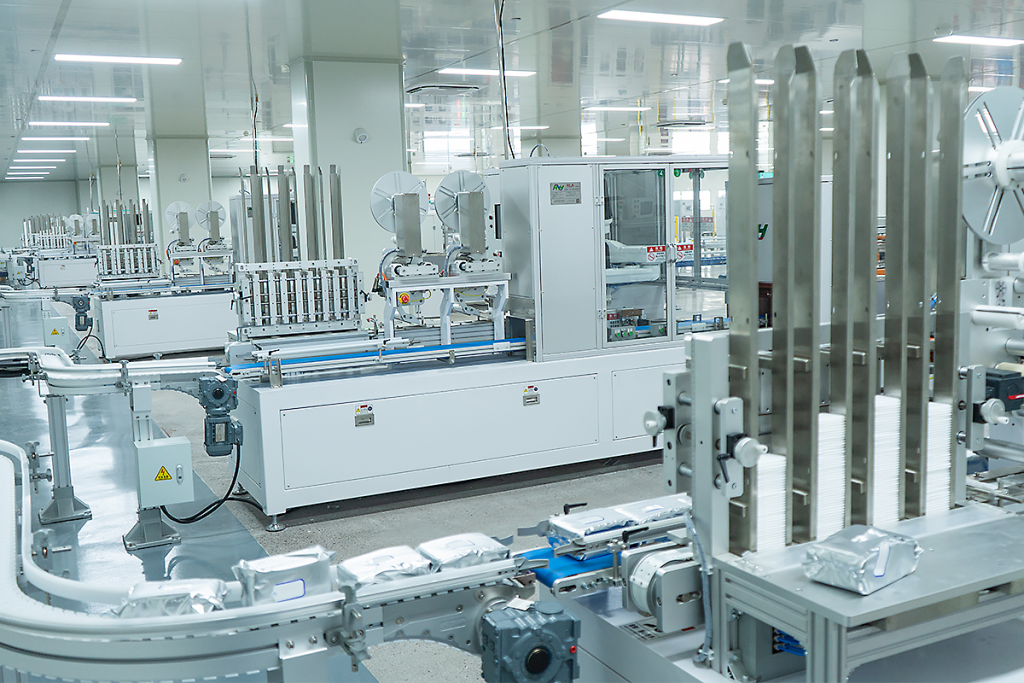
I’ve run lines, I’ve fixed them, and I’ve seen how a simple change in a lid applicator machine can ripple through the whole plant (and the budget). We’ll walk through what trips teams up, what the real pain points are, and what I’d look for if I were setting up a new cell tomorrow — no fluff, just what works. Next, let’s dig into where the old fixes fail and why.
Why Traditional Fixes Often Miss the Mark
wet wipe packaging machine lines are a good mirror of the broader problem: many teams bolt on quick fixes that don’t solve root causes. I’ve seen conveyor guards, extra sensors, and manual reworks piled on top of one another like band-aids. Those add complexity and the machine still trips on small variations in pack height or lid fit. Look, it’s simpler than you think: the fundamental issues are alignment, timing, and feedback.
What usually goes wrong?
First, mechanical play — worn actuators and loose pneumatic cylinders let lids shift a few millimeters. That’s enough for jams. Second, control limits — older PLC setups run rigid cycles and can’t adapt when a pack is slightly off. Third, insufficient sensing — a basic vision system could catch many faults before the applicator commits, but teams often skip it to save a bit up front. I’ve watched operators rework batches for hours because nobody insisted on a real-time quality check (— funny how that works, right?).
So what’s the deeper flaw? It’s that repairs are often reactive. People fix what broke yesterday. They don’t build in diagnostics or graceful degradation. Modern upgrades — better servo motors, closed-loop feedback, and simple human-machine interface tweaks — change that. They give you fewer surprises, more predictable line rates, and less overtime. I’ll be blunt: you don’t need every gadget, but you do need the right sensing and motion control paired with clear data. That’s the part many retrofit plans miss.
Looking Ahead: New Principles and Practical Choices
Now, let’s look forward. I favor a principles-first approach: smart sensing, adaptable motion, and clear data flows. For example, a wet wipe packaging machine that pairs a compact vision system with adaptive servo control will adjust for slight pack shifts on the fly. That reduces scrap and improves first-pass yield. I’ve recommended this combo several times — and it works across brands.
What’s Next for Operators?
You’ll see three practical shifts. One: diagnostics that tell you what failed, not just that something failed. Two: modular components — swap a power converter or actuator without rewiring the cell. Three: simple edge data (yes, edge computing nodes) that don’t overwhelm your IT team but do give trendlines. These changes keep maintenance predictable and help your crew sleep at night. — it’s true.
When choosing upgrades or a new line, focus on how the machine reduces human touch-points and prevents common faults. That leads us to the closing: a short checklist that I use when advising plants.
Choosing the Right Upgrade — Three Metrics I Trust
I’ll leave you with three straightforward metrics to evaluate lid applicator options. First, mean time between failures (MTBF): aim for measurable gains here, not marketing claims. Second, diagnostic clarity: can the machine tell you the fault and suggest a fix? Third, retrofit ease: how quickly can you swap a module like a servo motor or vision camera without halting the whole line? Measure these, and you’ll make smarter buys.
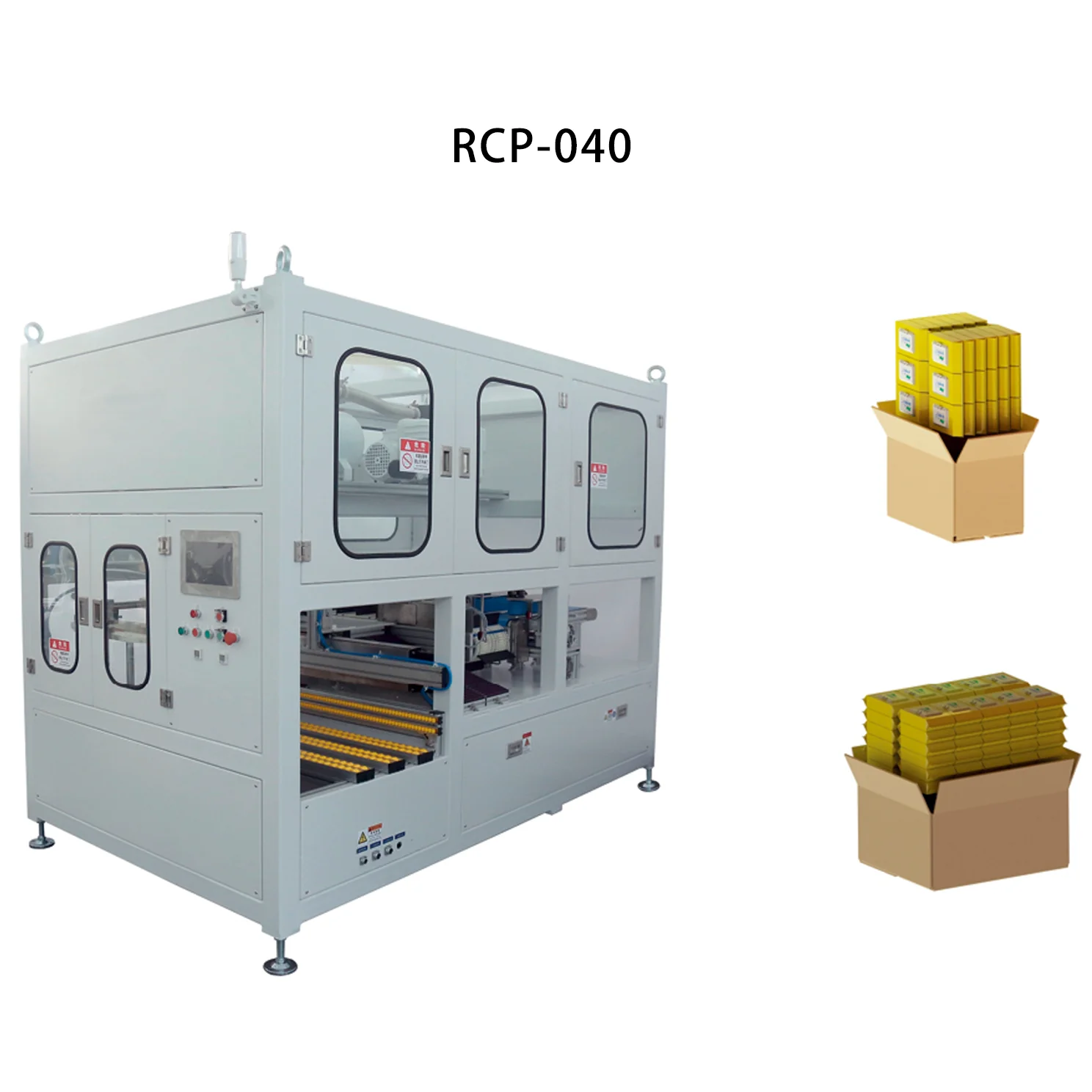
We care about cost, yes — but I’d rather pay a bit more for fewer stops and cleaner data. That’s my bias from years at the line. If you want to discuss a layout or assess a specific model, I’m happy to look with you — and explore how a targeted retrofit can pay back in months, not years. For practical help and equipment options, check the maker’s site — they helped us spec a reliable cell: ZLINK.