
Why the old fixes fail
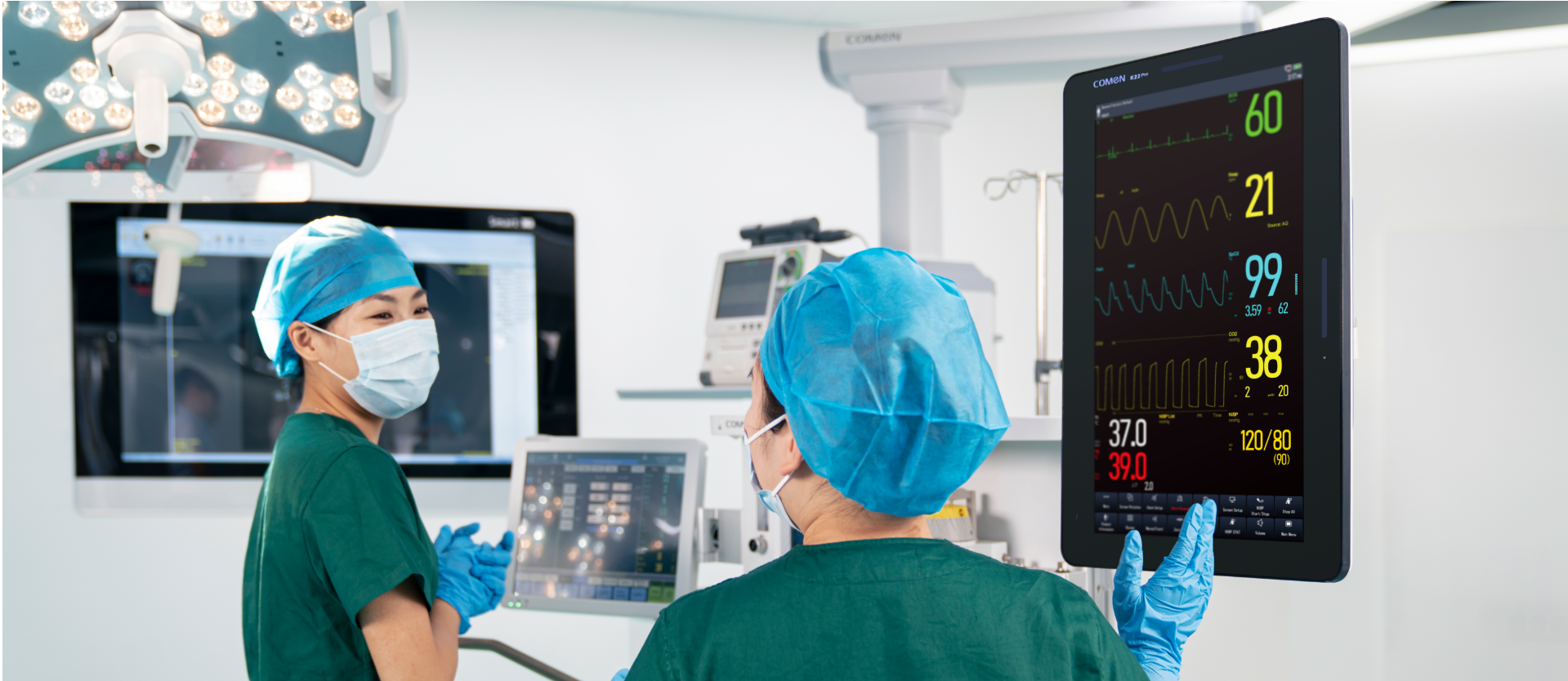
I remember a night in March 2019 when a nurse at St. Mary’s Hospital, Cleveland, kept silencing alarms while I logged upgrade notes—she shrugged and said, “They never stop.” That evening I was working on replacing an aging fleet of bedside multi-parameter monitors with modern consoles, and I kept thinking about the real problem: the technology was fine, the workflow wasn’t. Early on I started calling the topic the patient monitoring device challenge because the device alone rarely solves staff overload or alarm fatigue; you need context, training, and integration (patient monitoring device). Scenario: a busy ICU shift (scenario) with 15 audible alarms per hour (data) — how long before responders tuned out the noise (question)?
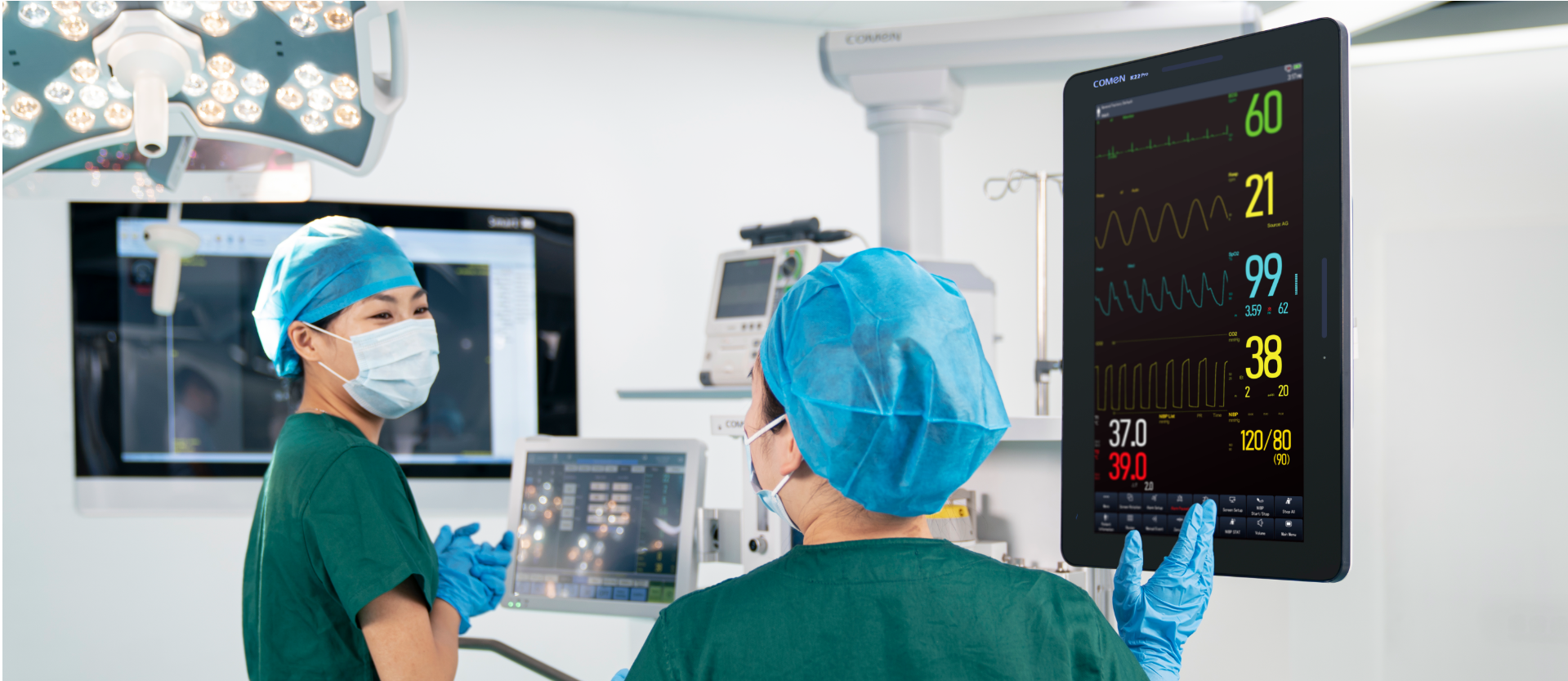
I’ve installed ECG-capable bedside units and tetherless telemetry in community hospitals—120 bedside installs in April 2018 at a midwestern medical center taught me hard lessons. The monitors (NIBP, SpO2, ECG channels) reported accurate numbers, yet clinicians complained that meaningful trends were lost in a sea of alerts. Traditional solutions—more sensors, louder alarms, or vertical vendor stacks—miss the hidden flaw: poor interoperability and workflow fit. I saw one site spend $200K on additional monitors in 2020 and still report a 30% false-alarm rate; that cost didn’t buy safer care, it bought noise. To be frank, hardware without integration is a bandage. (And yes — it matters.)
That realization pushed me toward practical changes—now I want to sketch what comes next for monitoring systems and procurement teams. —Let’s move on.
Forward-looking fixes and the comparison that matters
What’s Next?
When I plan upgrades today I think in network terms: devices must speak HL7 or FHIR, stream clean waveforms, and support edge analytics. The best patient monitoring device deployments I’ve overseen used middleware to filter artefacts before alarms reached nurses, and that cut non-actionable alerts by almost half within three months. I’ve sat through meetings with procurement in Denver (June 2021) where the deciding factor wasn’t screen size but API access. Short pause. Interoperability, alarm management, and lifecycle support beat flashy dashboards every time.

Technically speaking, the shift is from point-sensors to system intelligence. Cloud telemetry can aggregate trends across wards; local processing (edge computing) can suppress transient SpO2 dips caused by motion; and standardized waveform capture helps biomed teams validate events quickly. I still recall a June night where a simple firmware tweak—yes, a firmware tweak—reduced false ventricular tachycardia alerts by 40% on one ward. That was measurable, immediate, and cheap compared with swapping hardware. And that’s the comparative insight: smarter integration often outperforms more devices.
Now, for decision-makers: here are three concise metrics I use when evaluating monitoring solutions—practical, measurable, and non-salesy. 1) Interoperability score: Does the solution support HL7/FHIR, open APIs, and exportable waveform data? 2) Alarm effectiveness: What is the baseline false-alarm rate per 24 hours and the vendor’s evidence for reduction after deployment? 3) Total cost of ownership over five years: include maintenance, training hours, and disposables. I insist on vendor-provided case data. Trust, but verify. Short interruption—check logs.
I’ve lived through the old fixes and the slow, better approach; we choose systems that reduce noise, support telemetry, and respect clinician time. For procurement teams and biomed engineers, focus on usable interoperability, alarm management, and realistic TCO. If you want a starting place, look at solutions that treat the monitor as part of a care ecosystem rather than a lone box. For candid, experienced guidance and reliable hardware, consider suppliers who back up claims with deployment data—like COMEN.