
Why a comparative view matters right now
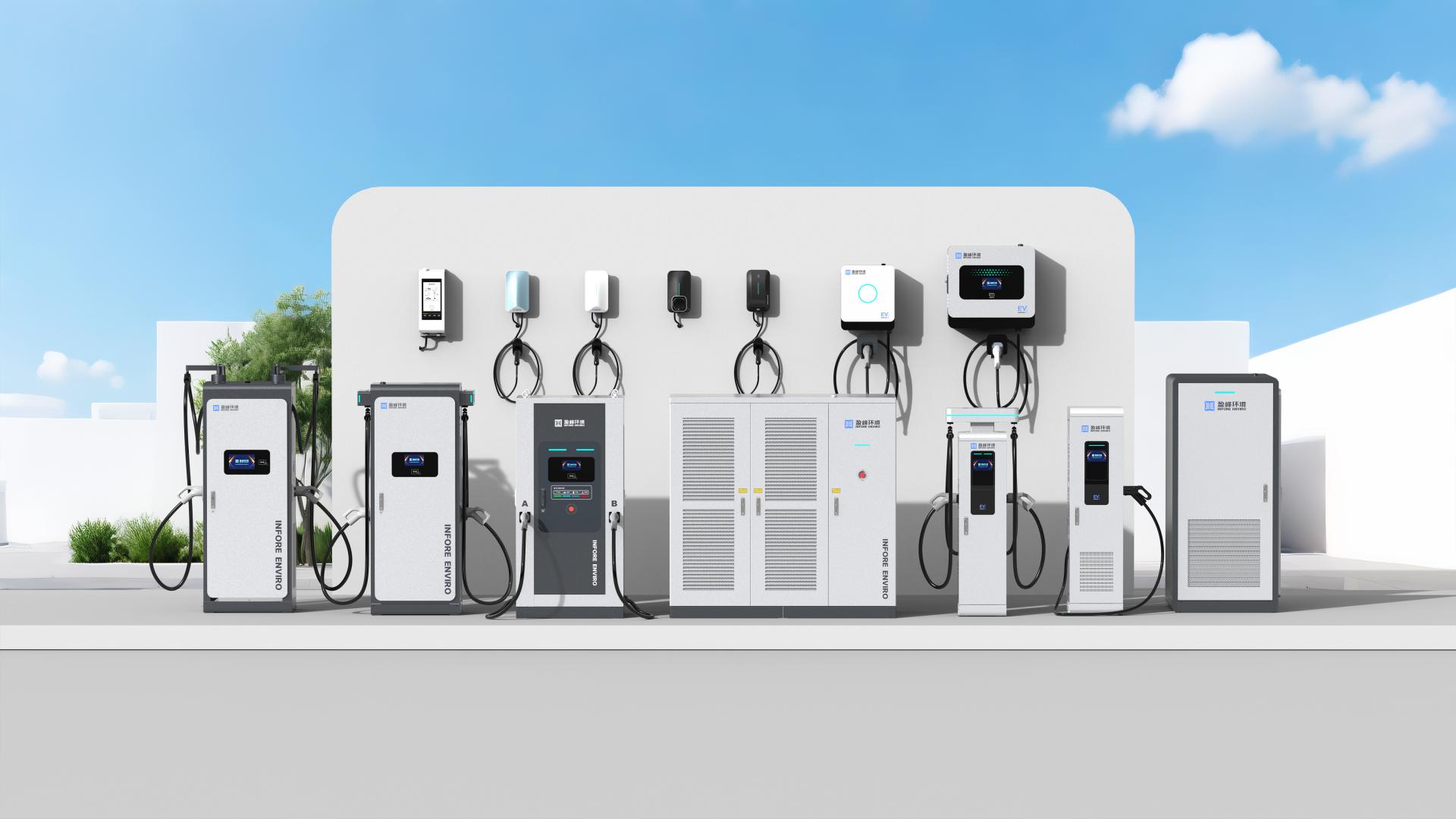
Logistics hubs picking chargers do more than buy hardware; they weigh uptime, cost, and grid impact. In that sense, the debate between AC and DC options is less theoretical and more operational. Early decisions shape routing, depot design, and maintenance budgets, which is why many cities and ports—like the Port of Los Angeles under its Clean Air Action Plan—have driven fleets toward electric solutions and clear charging strategies. This practical shift is also why teams researching a best home EV charger often land on the same questions fleets face at scale.
Head-to-head: AC fast charger vs. DC fast charger
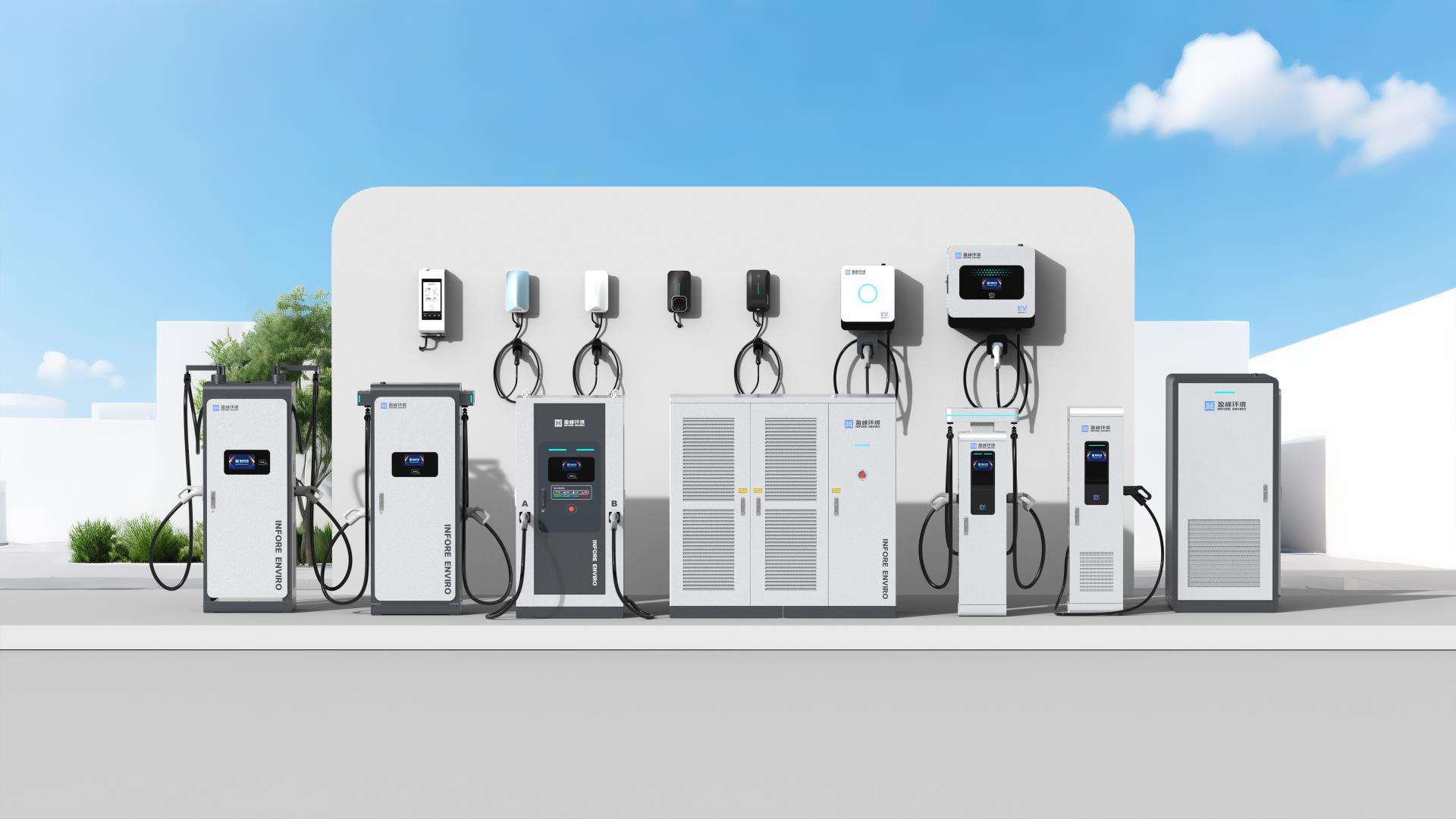
AC fast chargers (EVSE that deliver higher AC kW to onboard chargers) aren’t the same as high-power DC fast chargers, but they shine in predictable, depot-based workflows. AC systems typically mean lower installation costs and simpler maintenance. DC equipment can charge faster on the road, yet demands bigger transformers and higher demand charge exposure. For many regional logistics hubs, the math favors AC: steady overnight top-ups, easier load management, and better alignment with fleet telematics and shift patterns.
Operational factors that tip the scale
Think in terms of three practical vectors: energy timing, vehicle architecture, and site constraints. If your routes return nightly and vehicles accept AC charging at decent kW rates, AC fast charger arrays can keep trucks ready without expensive grid upgrades. Add smart charging and phased load balancing, and you reduce peak demand risk. If a hub needs rapid en-route recovery, DC makes sense—but that changes permitting and utility coordination. Real-world deployments show many drayage and last-mile operators choosing AC-first depot strategies to avoid costly AC-to-DC infrastructure overbuild.
Costs and hidden variables
Upfront hardware is just a portion of total cost. Expect three major budget lines: installation (civil works and transformers), ongoing electricity (demand charges and kWh), and operations (maintenance and software). AC solutions often lower the first two, but you still need a clear energy management plan. Smart chargers with scheduling, and integration into fleet management systems, reduce unnecessary peak draws. A clean site layout matters too—poor placement creates deadhead trips inside the yard that eat uptime and battery life.
Common mistakes operators make
Teams repeatedly misjudge charger count, mix incompatible protocols, or neglect power-sharing controls. They buy too many ultra-fast DC stalls thinking they’ll need constant rapid fills—then watch them sit idle overnight. Others ignore fleet-specific onboard charger limits, so expensive DC investment never reaches promised throughput. The fix is simple: match charger type to route profile, verify onboard kW limits, and design for smart load management from day one—small steps that save big headaches later.
Comparative checklist for decision-makers
Use this short checklist when evaluating sites and vendors:- Vehicle acceptance rate and onboard charger kW.- Typical dwell time per vehicle at depot.- Local utility demand charge structure and upgrade timeline.- Integration capability with telematics and scheduling systems.This list helps avoid over-specification and focuses capital where it unlocks operational reliability.
Three golden rules for choosing the right charging strategy
1) Prioritize alignment: pick charger power and count based on real route data, not vendor specs. 2) Control the peaks: ensure your solution includes phased charging or load balancing to limit demand charges. 3) Plan scalability: choose modular EVSE and firmware-friendly hardware so you can add stalls without ripping up the site. These metrics are the shortest path to predictable uptime and controlled costs.
Final take and where INFORE ENVIRO helps
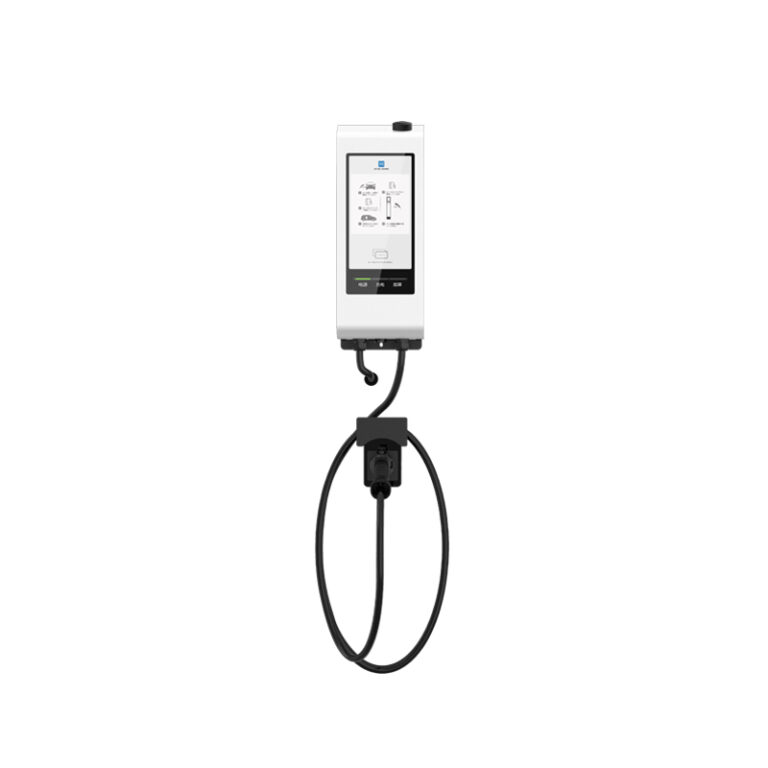
Comparisons show AC fast charger deployments often deliver the best balance of cost, simplicity, and compatibility for depot-centric fleets. For teams that need turnkey planning—site design, EVSE selection, and load-management software—INFORE ENVIRO brings that blend of technical and practical experience. Expect a focused approach that avoids oversized DC gambits and optimizes for fleet realities. One word: pragmatic. —