
Introduction: The Stakes Behind the Sticker Price
What got missed in the quote?
I’ve spent over 16 years helping facilities pick and live with big-ticket energy gear, and I’ll start bluntly: the wrong partner will cost you twice—once on day one and then every month after. In my notes from a 2023 site audit in Newark, the buyer said they chose from a list of commercial energy storage companies by focusing on the lowest upfront price. Commercial energy storage systems were barely discussed beyond kWh and “peak shaving.” Within six months, demand charges dropped 7%, but outages ran up overtime and forced-load curtailments. The math looked neat on paper; the reality was messy. So I asked the question I always ask: where did the plan hide risk? I found incomplete UL 9540A documentation, a power converters spec that did not match the 480V switchgear, and a battery management system that couldn’t talk cleanly with the site SCADA. Look, I prefer to keep things simple, but if communications break, your savings evaporate—fast.
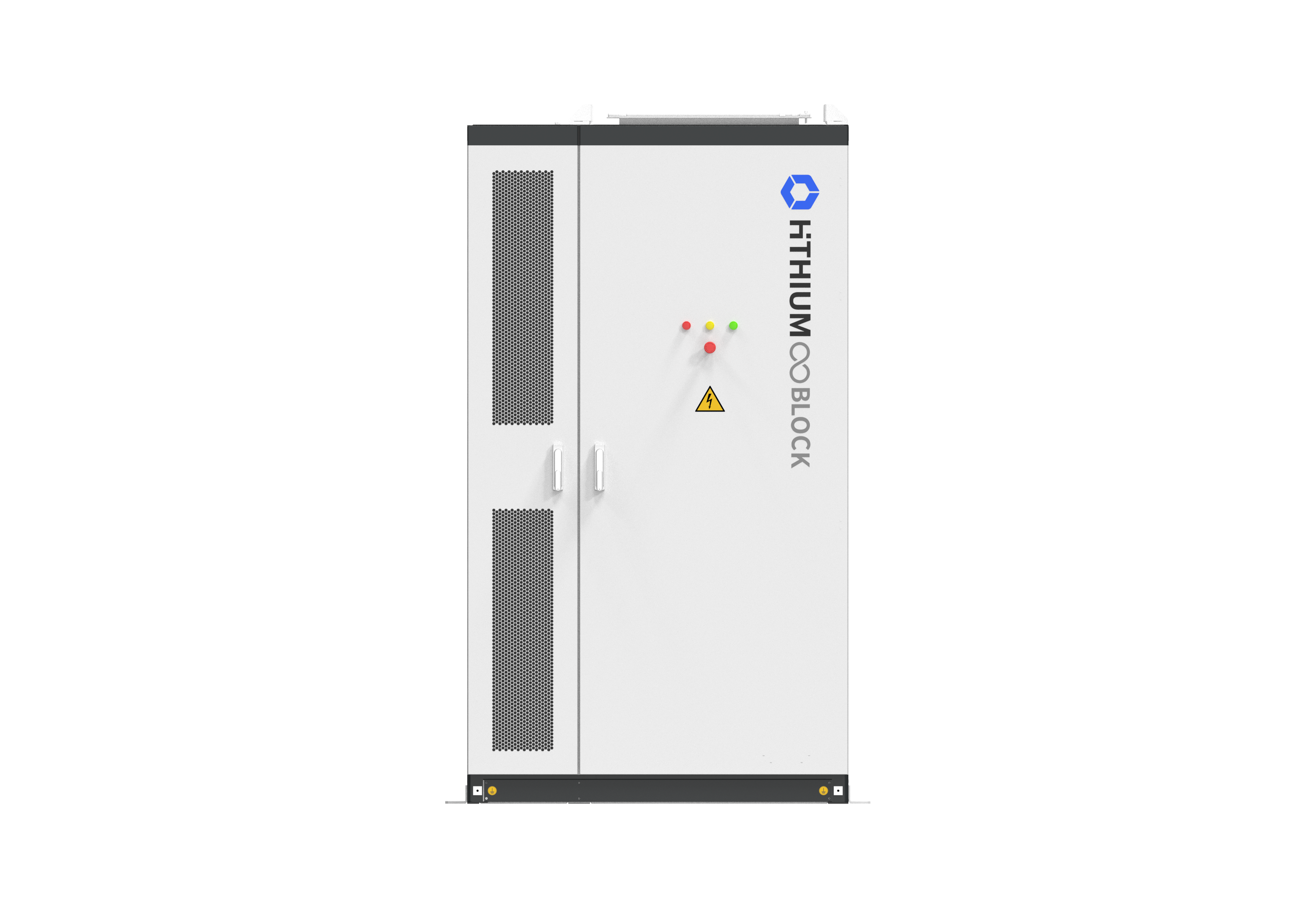
The deeper pain points were not flashy. Firmware patched on a Friday night broke demand-response logic the next Tuesday—funny timing, and avoidable. The BMS had no clear pathway to adjust state-of-charge windows during heat waves, which meant operators had to ride the DC bus low and pray the diesel stayed ready. I remember standing in a hot ESS container in July, watching a cooling loop fight to hold 28°C because the thermal model was generic, not tuned to that LFP cell type. That sight genuinely frustrated me. I firmly believe that a partner should own these details: interconnection under IEEE 1547 updates, safe thermal management, clean Modbus mappings, and documented failover. If those basics are fuzzy, your beautiful payback chart turns into a guessing game—one that your operations team will lose at 2 a.m. (and call you about). Let’s move from those headaches to what better looks like.
Comparative Insight: What New Tech Changes Versus the Old Playbook
What’s Next
When I compare “old” projects to the new crop, I don’t just see shinier cabinets; I see smarter control and clearer contracts. The best commercial energy storage companies are putting brains at the edge: predictive dispatch running on local edge computing nodes, not a distant server that drops packets at the worst time. That matters. I’ve tested systems that model feeder constraints hour by hour, then nudge setpoints so the inverters never surprise the building’s protection scheme. Add a microgrid controller that tracks state of charge against actual price curves, and you stop cycling for pennies. It sounds technical because it is, yet the payoff is human: fewer alarms, shorter truck rolls, faster restarts after a nuisance trip—one less weekend lost to chasing a ghost fault.

Here’s a simple A/B from Texas in late 2022. Site A ran fixed time-of-use schedules and cycled 4,100 times in year one, forcing early capacity fade. Site B deployed model-based control with temperature-aware limits and cell balancing that respected the module’s C-rate. Result: 18% lower demand charges within 90 days and 9% fewer HVAC hours inside the enclosure because the thermal load stayed predictable—small change, big bill impact. I was on that Laredo yard when a contractor asked why Site B had no mid-summer derate notices. The answer was dull but powerful: tuned algorithms, verified interlocks, and a commissioning checklist that included NFPA 855 spacing and a full communications failover test. That last step saved them during a lightning storm—no drama, just a clean fallback to grid-following mode.
So how do you pick better—without overthinking it? I use three checks on every bid, and I won’t skip them, even under end-of-quarter pressure. One: performance warranty tied to usable throughput, not just nameplate kWh, with cycle counting rules in black and white. Two: integration proof, including SCADA point lists, inverter ride-through settings, and a witnessed test of loss-of-comms behavior. Three: lifecycle clarity—UL 9540/9540A reports that match the exact rack and fire suppression plan, plus spare parts and firmware cadence laid out by quarter. I prefer solutions that survive real life, not just slide decks. And yes, I’ll ask to see a log file from a winter morning and a hot August afternoon—because patterns hide in the data, and that’s where mistakes get expensive—fast. If you need a place to start, I keep a short list of builders who pass these tests, including HiTHIUM.