
Introduction — a quick question that matters
Have you ever stood by the roadside and wondered why some cars keep a steady grip in the rains while others slide off the line? I have, and that curiosity led me into test reports and tyre workshops across Nairobi. In many of those conversations the role of silica in tires comes up early; engineers point to its effect on wet grip and fuel use. (You hear numbers thrown around — sometimes precise, sometimes rounded.)
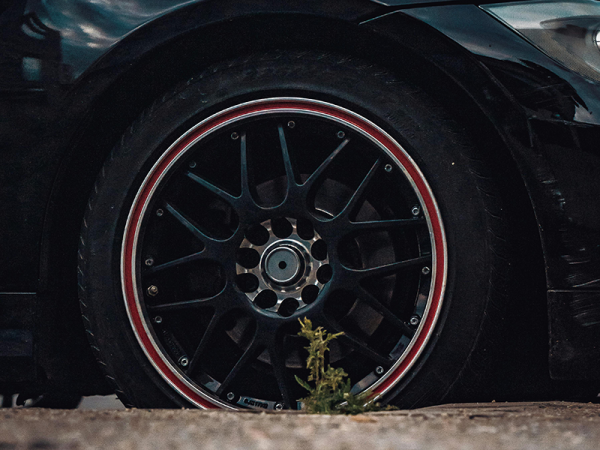
Data from lab tests and fleet trials often show clearer tread life and lower rolling resistance when silica is used well in the compound. Yet fleet managers still debate trade-offs: grip versus wear, cost versus performance. So I ask: what exactly changes inside the rubber when silica is present, and why do some tyres get it right while others do not? Let us move on and unpack the deeper layer of the mix — where the real choices get made.
Part 2 — Technical breakdown: why standard mixes fall short
What goes wrong inside the compound?
When I examine tire material composition, I focus on how filler, polymer and additives meet. Good dispersion of silica matters. Poor silica dispersion creates weak zones in the rubber. These zones raise rolling resistance and shorten tread life. Engineers call this mismatch “polymer-filler interaction.” I have seen batches where the compound looked fine on paper but failed in practice because the silica had not been treated or mixed correctly.
Traditional solutions often lean on more carbon black or higher polymer load to cover for poor silica use. That seems logical at first. But it masks the flaw rather than fixes it. The result is uneven wear, inconsistent wet traction and unpredictable viscoelasticity under load. Look, it’s simpler than you think — the problem is not only the ingredients, but how they are processed: mixing time, temperature, and surface treatment of silica (coupling agents) all change the filler network. Add in terms like compound formulation and dynamic stiffness, and you get a sense of the technical levers at play — some small, some large. — funny how that works, right?

Part 3 — Future outlook: comparing approaches and choosing metrics
What’s next for tyre mixes and fleet choices?
Looking ahead I see two clear paths. One is incremental: better process control, refined coupling agents, and tighter quality checks on silica dispersion. The other is bolder: new silica grades and polymer chemistries that change the balance of wet grip, wear and rolling resistance. In both cases the core remains the same — the detailed tire material composition decides outcomes. I’ve watched test tyres where a small tweak in filler treatment shifted fuel use and grip in measurable ways. Real-world trials matter; lab data alone paints only part of the picture.
To help teams evaluate, here are three practical metrics I use and recommend: 1) silica dispersion index (simple microscopy plus image scoring), 2) rolling resistance ratio at operating temperature, and 3) wet-braking distance under standard load. These metrics balance lab insight with field reality. When you compare suppliers or new mixes, ask for clear data on these points and insist on a field trial. If you need a single takeaway — prioritise the mix process as much as the material itself. I’ve learned that from tests and from talking to tyre technicians in the field — they notice the small things. And if you’re exploring partners, consider suppliers who combine material know-how with on-the-ground support, such as JSJ.