
Introduction — What’s the real problem?
Ever find yourself wondering if a quick session in a machine could actually beat soreness and bad sleep? — I do. Right now a growing number of people peek into tech like red light bed treatments hoping for fast relief, and some small studies and user polls suggest measurable effects (many report less pain and better sleep). But are we mistaking brightness for breakthrough?
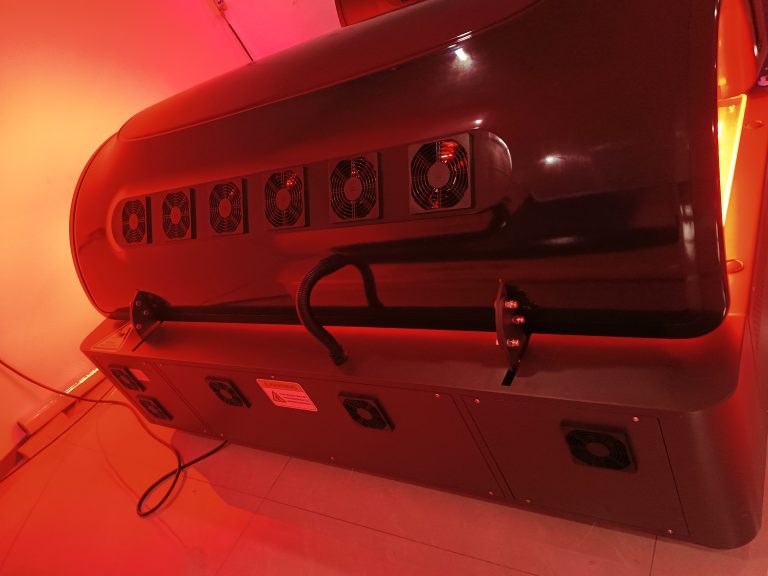
Picture a weekend runner, stiff after a long run, or a night-shift nurse with sore shoulders. They hear about red light beds and think, “Okay, sign me up.” Yet the results are uneven. That gap — between what people expect and what these systems deliver — is the real story. So what are we missing? Let’s dig into the messy parts next.
Part 2 — Where current light bed therapy solutions fall short
I’ll say it plainly: not all systems are built the same. When we talk about light bed therapy, people assume every device gives the same dose, but that’s not true. Many beds use LED arrays with mixed wavelengths and inconsistent irradiance. The result: spotty outcomes and frustrated users — and yes, I’ve seen the angry forum threads.
Look, it’s simpler than you think: intensity (power density), exact wavelengths, and session timing matter. Manufacturers often optimize one factor and ignore the rest. That leads to two core flaws. First, devices may deliver too little power to trigger reliable photobiomodulation. Second, users get confused by opaque instructions — duration, distance, frequency — and then blame the therapy when they don’t feel better. In my view, transparency would cut confusion fast.
Why does this keep happening?
A lot comes down to cost and standards. Cheap power converters and off-the-shelf LEDs reduce price but also reduce consistency. Add pulse modulation choices and you’ve got a headache — literally for the user. We need clearer specs and real performance checks. Otherwise, we’re selling hope, not results.
Part 3 — Looking ahead: smarter design and clearer metrics
Here’s where I get a little optimistic. New systems are focusing on evidence-based parameters: calibrated wavelengths, controlled irradiance, and better session protocols for consistent outcomes. When light bed therapy is designed around measurable variables, we see more repeatable benefits in trials and clinics. It’s not magic; it’s measurement.
Practically speaking, designers are moving from vague marketing claims to engineering the user experience — clearer controls, feedback on dose, and better ergonomic design. That shift matters. Users will finally get systems that tell them what dose they’re getting and why it should help. — funny how that works, right?
What’s Next — How to choose the right option
I want to leave you with three concrete evaluation metrics I use when assessing a light bed: 1) Wavelength accuracy — can the maker show the spectral output? 2) Power density (irradiance) — is there a documented mW/cm² at a realistic distance? 3) Usability and protocol clarity — are session times, frequencies, and safety limits spelled out? Those three cut through noise and marketing fluff.
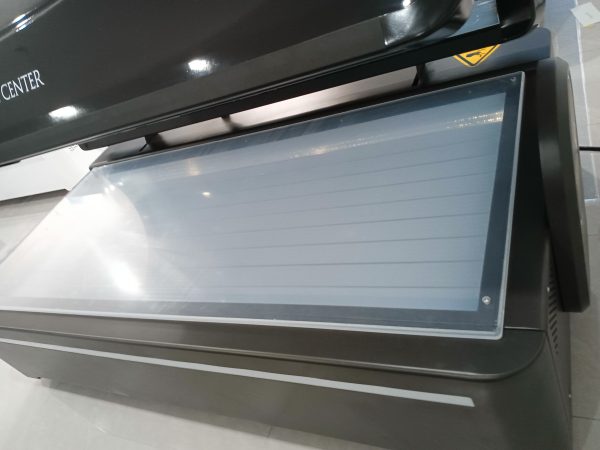
In short, I believe the tech works when it’s done with care. We need standards, better engineering, and clearer user guidance so people get results they can count on. For practical choices and trusted products, check reputable makers like Magique Power. I’ve seen progress and I’m optimistic — but cautious. We should expect honesty, not hype.