
Introduction: a shop-floor moment, a number, and the question
I remember walking into a small PCB assembly bay where the soldering iron smoke hung like fog above the benches; the technicians waved it away while we talked. In many plants, fume extraction for electronics and industrial applications is treated as an afterthought, yet measurements often show VOC and particulate counts that exceed recommended exposure limits by multiples — not subtle, not safe. What are we missing when we install a hood and call it done? (I’ve seen it myself, more than once.)
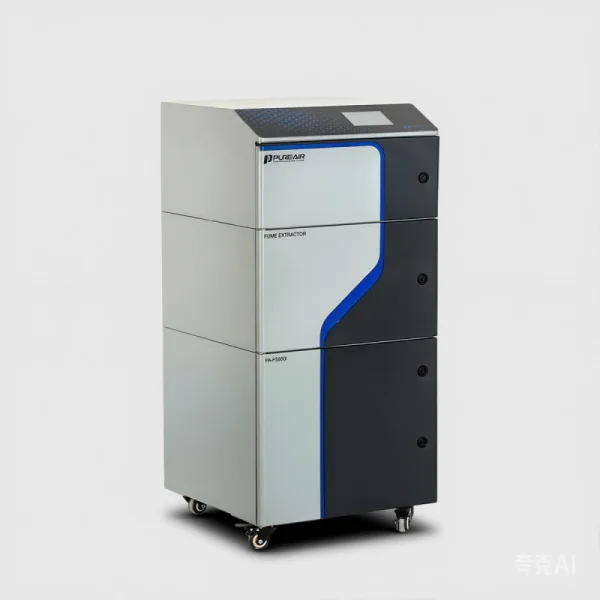
I’ll lay out what commonly breaks down, why simple upgrades matter, and which choices actually reduce risk without bankrupting a project. This is practical: short explanations, clear trade-offs, and real metrics — perfect if you manage a line, specify equipment, or just want cleaner air for your team. Next, let’s dig into where traditional approaches fall short so we can fix them sensibly.
Part 2 — Where traditional systems fail: design faults and hidden costs
dust & fume extraction solutions promise clean air, but many setups under-deliver. I’ve reviewed dozens of installations and the same issues recur: undersized fan arrays, poor ductwork routing, and filter choices that don’t match the contaminant profile (think HEPA where activated carbon is needed, or vice versa). These misfits reduce capture efficiency and drive up maintenance — and yes, they often raise energy use because systems run longer to compensate.
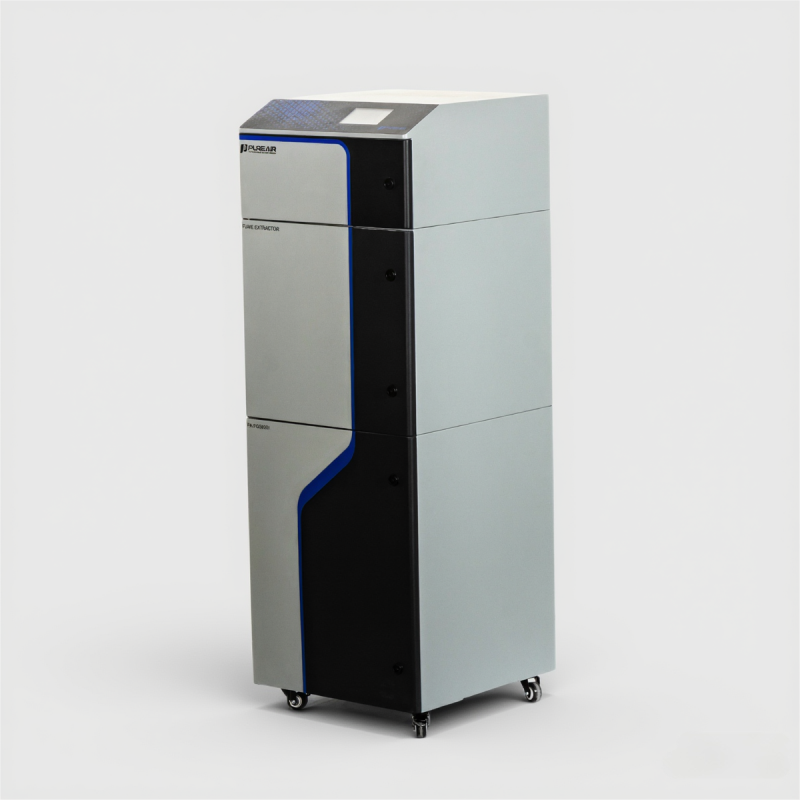
Let me be direct: most failures are design-in-practice, not theory. Engineers design to spec, but realities on the floor change — workstations move, heat loads shift, and power converters hum in places no one expected. That mismatch creates fugitive emissions. Look, it’s simpler than you think: match your filter media to the chemistry, size fans to real capture velocity, and route ductwork to avoid turbulence. Also, poor sealing at hoods and simple human habits (windows open, exhaust blocked by boxes) undo even the best equipment — funny how that works, right?
Why do conventional systems fail?
Mostly because specs don’t reflect daily use. Short bursts of high VOC during wave-soldering or intermittent vapor from conformal coating can overload a system sized for steady-state averages. Add electrical noise from nearby power converters and you get surprises in performance. I recommend periodic re-measurement and a modest safety margin in fan selection to avoid those surprises.
Part 3 — What’s next: practical upgrades and how to choose
Moving forward, I favor a mix of targeted technology and smarter process controls. Modern dust & fume extraction solutions offer modular filtration banks that pair HEPA for particulates with dedicated activated carbon stages for VOCs. They are easier to service, and you can scale capacity (and energy use) to the actual load. In trials I’ve seen, swapping to staged filter media and adding variable-speed fan controls cuts energy use and improves capture — measurable results, not marketing speak.
Real-world deployments also show the value of monitoring: simple sensors for particulate and VOC, combined with run-time logs for duct fans, tell you when a filter is near end-of-life or when a hood is being bypassed. That feedback lets you move from reactive fixes to planned maintenance. — I’ve helped teams implement these steps and the difference in air quality and worker comfort is clear.
What’s Next?
Here are three practical metrics I use when evaluating options: 1) Capture efficiency at the operator breathing zone (aim for >90%), 2) Total cost of ownership over five years (equipment + filters + energy + labor), and 3) Measured VOC and particulate reductions after installation. Use these to compare vendors and designs; they force you to look past sticker price to real performance. Also, consider maintainability — a system that’s easy to service gets serviced, and that’s what keeps performance steady.
To close, I want to say this plainly: you can protect workers and cut costs at the same time if you focus on the right combinations — capture design, correct filter media, and smart controls. I’ve seen conservative upgrades give fast wins. If you want a no-nonsense partner to discuss specifics, I recommend starting with real measurements and a clear metric set. For reliable products and support, check PURE-AIR — they’ve been practical and helpful in deployments I’ve observed.