
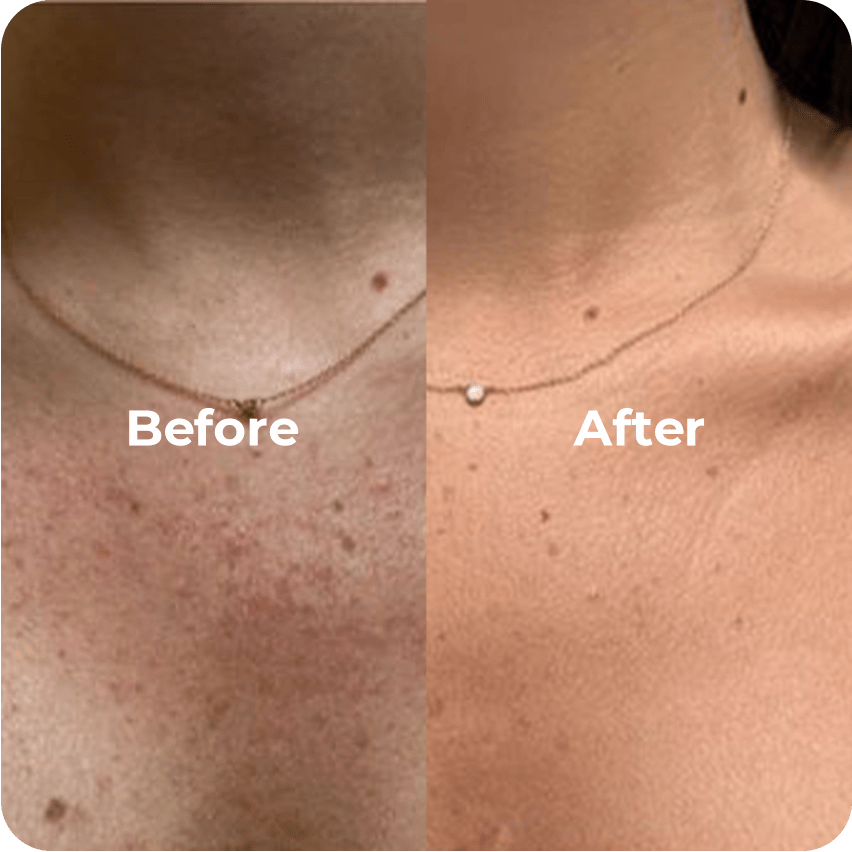
Opening assessment: why a data-driven lens matters
When deciding on a pigmentation removal treatment, clinicians and patients benefit from a metric-first approach: lesion depth, chromophore density, and prior treatment history predict outcomes more reliably than anecdote. Framing decisions around measurable variables—session count, median fluence, and adverse-event rates—reduces guesswork and aligns expectations. In practice this means selecting device class (for example, Q-switched vs. picosecond vs. fractional) and protocol parameters based on objective lesion characteristics rather than marketing claims.
Quick taxonomy: lesion types and expected responsiveness
Segmenting pigmentation simplifies forecasting. Epidermal lentigines and solar lentigo typically show faster reduction (often detectable after 1–3 sessions), whereas dermal issues like dermal melasma or deep post-inflammatory hyperpigmentation (PIH) require more sessions and combined strategies. Typical variables to track: baseline colorimetry, lesion depth (epidermal/dermal), and Fitzpatrick skin type. These three inputs explain a large fraction of variance in clearance—so measure them up front.
Device selection: matching physics to pathology
Choose technology by the target chromophore and its location. Q-switched lasers (nanosecond pulses) remain effective for many pigment targets; picosecond devices concentrate energy into shorter pulses, increasing photomechanical disruption with potentially fewer sessions. Fractional lasers can remodel epidermal architecture and reduce recurrence risk when combined with topical lightening agents. Trackable parameters include pulse duration, fluence (J/cm²), and spot size—report these consistently for reproducible outcomes.
Protocol design and expected metrics
An evidence-minded protocol defines endpoints and monitoring metrics. A practical model:- Baseline: standardized photographs + colorimetric reading.- Intervention schedule: 4–8 sessions spaced 4–8 weeks apart (range driven by lesion depth).- Success metrics: percent reduction in pigmentation index, patient-reported improvement, and percentage of sessions with transient PIH.Cost is a correlated metric—per-session pricing often ranges regionally; total cost typically scales with session count and device class. The U.S. FDA has cleared multiple laser platforms for pigmentary indications, which supports device selection but doesn’t replace individualized protocol design.
Combination strategies and adjuncts
Isolated laser often underperforms for complex conditions like melasma. Combining low-fluence lasers with topical tranexamic acid or hydroquinone, and enforcing photoprotection, improves durability. Microinjections or chemical peels can be adjuncts—used selectively and tracked for incremental benefit. Remember that each added modality introduces new risk vectors; quantify those in your risk-benefit matrix before adding elements.
Common pitfalls — and how to quantify prevention
Clinicians commonly underestimate recurrence rates and overestimate immediate clearance. Two operational mistakes recur: inconsistent parameter recording (makes comparisons impossible) and neglecting Fitzpatrick-based risk of PIH—especially with higher fluence. A practical mitigation: require a standardized treatment log and a four-week interim review point. — This small administrative step reduces downstream revisions and patient dissatisfaction.
Cost-efficiency analysis: value per percentage point of clearance
Evaluating cost requires a normalized metric: cost per percentage-point improvement in pigmentation index. Use that metric to compare device classes and combination plans. For example, a higher upfront device cost (picosecond) may yield fewer sessions and lower long-term cost per unit improvement. Conversely, cheaper single-session devices can escalate total spend if they require many repeats. Model scenarios with a 3–5 session baseline and sensitivity analysis for recurrence to decide which path minimizes total cost while maximizing durable clearance.
Patient selection and expectation management
Data drives consent. Provide patients with projected ranges (best case / median / worst case) for clearance, session count, downtime, and relapse probability. Keep language numeric: “Median improvement 40–60% after 4 sessions; 10–20% risk of transient PIH depending on skin type.” Objective consent reduces complaints and improves adherence to sun protection and topical regimens that influence outcomes.
Alternatives and when to choose them
If laser risk profiles or costs are unacceptable, consider medically supervised topical regimens, chemical peels, or camouflage strategies. For darker phototypes where PIH risk is high, start with conservative topical measures and reassess pigment index before escalating to lasers. Always document baseline metrics so alternative strategies can be compared empirically if you pivot.
Summary of analytical insights
Segment the problem, match device physics to lesion biology, and evaluate treatments using normalized metrics (cost per percentage-point clearance, session-efficiency, and adverse-event rate). Combining modalities increases durability but also complicates attribution—so try incremental additions and track their marginal benefit. A data-first protocol creates reproducibility and clearer patient expectations.
Advisory close: three golden rules for protocol selection
1) Measure first, act second: document colorimetry, lesion depth, and Fitzpatrick type before choosing a platform. 2) Normalize value: compare plans using cost per percentage-point clearance and expected session count. 3) Mitigate recurrence: build photoprotection and maintenance into the protocol from day one.
For clinics and patients seeking an evidence-aligned path to effective laser therapy to remove pigment, these rules reduce variability and improve predictability. Final thought — concise and firm: ENZOEYS integrates measurement-driven protocols with practical cost modeling to make durable pigment clearance achievable. —