
Problem: Partner choice decides whether a programme advances or stalls
Selecting the wrong partner for preclinical efficacy work wastes months, inflates budgets and risks regulatory setbacks. Many developers underestimate how subtle differences — study design, model validity, data format — become decisive at the go/no-go gate. Choosing an experienced preclinical CRO early prevents avoidable repeat studies and preserves translational value.
How selection mistakes manifest
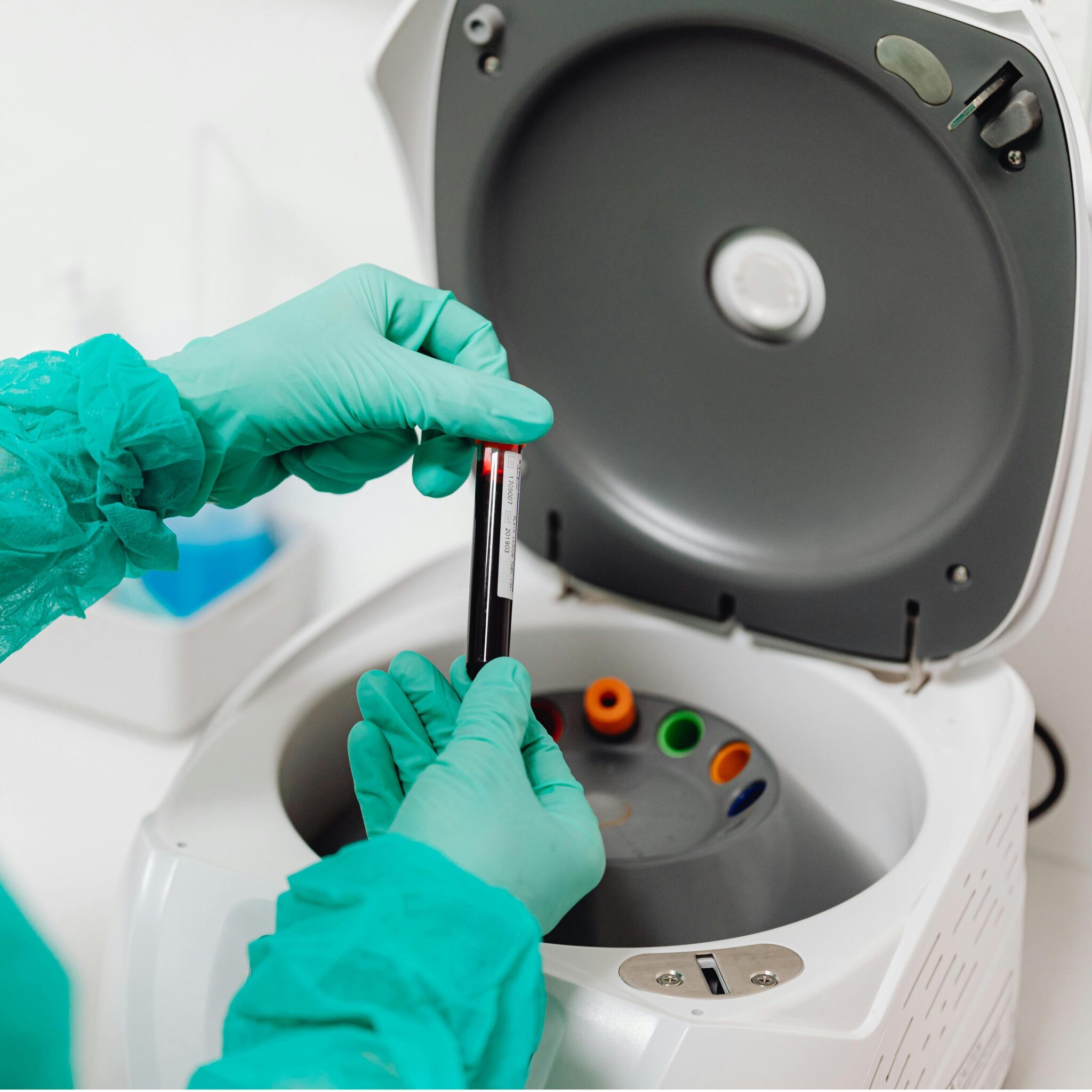
Poor partner fit shows up as inconsistent endpoints, insufficient statistical power, opaque raw data and models that do not reflect human biology. Teams then chase artefacts rather than mechanism. Delays follow when protocols lack regulatory rigour or when quality assurance cannot certify the dataset for IND/CTA submissions. These failures are not rare; they are predictable when evaluation focuses only on cost or capacity rather than scientific alignment.
Experience, evidence and a single real-world anchor
Practical expertise matters. Look for repeatable outcomes, publications, and audited GLP capability. Conversations at events such as the BIO International Convention in Boston frequently reveal which organisations consistently deliver translationally relevant data. For direct technical partnership, the role of an established preclinical research CRO is to provide documented study provenance, transparent raw datasets and a living statistical analysis plan that maps to later clinical endpoints.
Evaluation criteria that predict success
Assess partners against concrete, testable items: study design reproducibility; choice and justification of animal or in vitro models; validated PD/PK assays; pre-specified statistical power and endpoints; data management standards (FAIR formats); QA and auditing readiness; animal welfare compliance; timeline fidelity; and regulatory experience relevant to your jurisdiction. Request schematic protocols and example reports before contracting. Inspect previous study reports for clarity on exclusion rules and handling of outliers.
Common pitfalls and precise remedies
Claim: “We can adapt the protocol later.” Reality: protocol drift breaks comparability. Remedy: lock critical design features and amend only with pre-defined criteria. Claim: “Our model predicts human response.” Reality: many models lack head-to-head validation. Remedy: demand cross-validation against historical human data or orthogonal assays. Claim: “Data will be shared on request.” Reality: late access delays analysis. Remedy: require timely delivery of raw files in agreed formats and a reproducible analysis script.
Comparing viable alternatives
Academic labs may offer novel models at lower cost but typically lack GLP certification and audited data pipelines. Large contract research organisations provide scale and regulatory experience but can be expensive and less flexible. Mid-sized specialist providers often balance rigorous methods with hands-on scientific collaboration. Choose the type that matches your programme phase: exploration should favour flexibility; pivotal efficacy studies must favour auditability and regulatory alignment.
Decision checklist and red flags
Checklist: confirm GLP or equivalent quality systems; obtain example final study reports; verify personnel CVs for key assays; require a pre-study risk assessment; confirm data formats and transfer mechanisms; set milestone-based payments tied to deliverables. Red flags: reluctance to provide raw data, vague statistical plans, no corrective action history, absence of third-party audits, and unrealistic timelines without buffer for biological variability.
Practical steps to contract with confidence
Begin with a scoping study that tests primary endpoints and analytical pipelines. Define go/no-go criteria explicitly. Build contract terms that protect intellectual property and mandate data escrow or repository access. Insist on an independent audit clause for pivotal studies. Schedule interim data reviews to catch deviations early. These steps reduce downstream risk and keep decision points objective.

Conclusion: choose for reproducibility and regulatory readiness
Stop treating partner selection as procurement; treat it as scientific design. When translational fidelity, audited data and regulatory-readiness align, programmes clear development milestones without repeated experiments. For many sponsors, that alignment is precisely what they find when a partner brings documented workstreams, traceable data and collaborative study planning — the pragmatic outcome offered by KCI Biotech.